 St. Petersburg Window
 Why "It Depends" Is the Honest Answer
Every homeowner asking about window replacement wants a number. The honest answer is that window pricing depends on more variables than most people expect, and a contractor who quotes a price over the phone without seeing your house is guessing. What follows is a real breakdown of what drives cost in St. Petersburg specifically, so you can budget sensibly and ask better questions when you start getting estimates.
Windows here aren't just a comfort upgrade. In Pinellas County, a window is a structural component of your home's building envelope. It has to hold up to hurricane-force wind loads, keep wind-driven rain out during a tropical system, resist the fading and material breakdown that comes from year-round intense UV exposure, and shrug off the slow corrosion that salt air causes to hardware and frames. That combination of demands is why window costs in this region often run higher than what you'll see quoted in national cost calculators built for other climates.
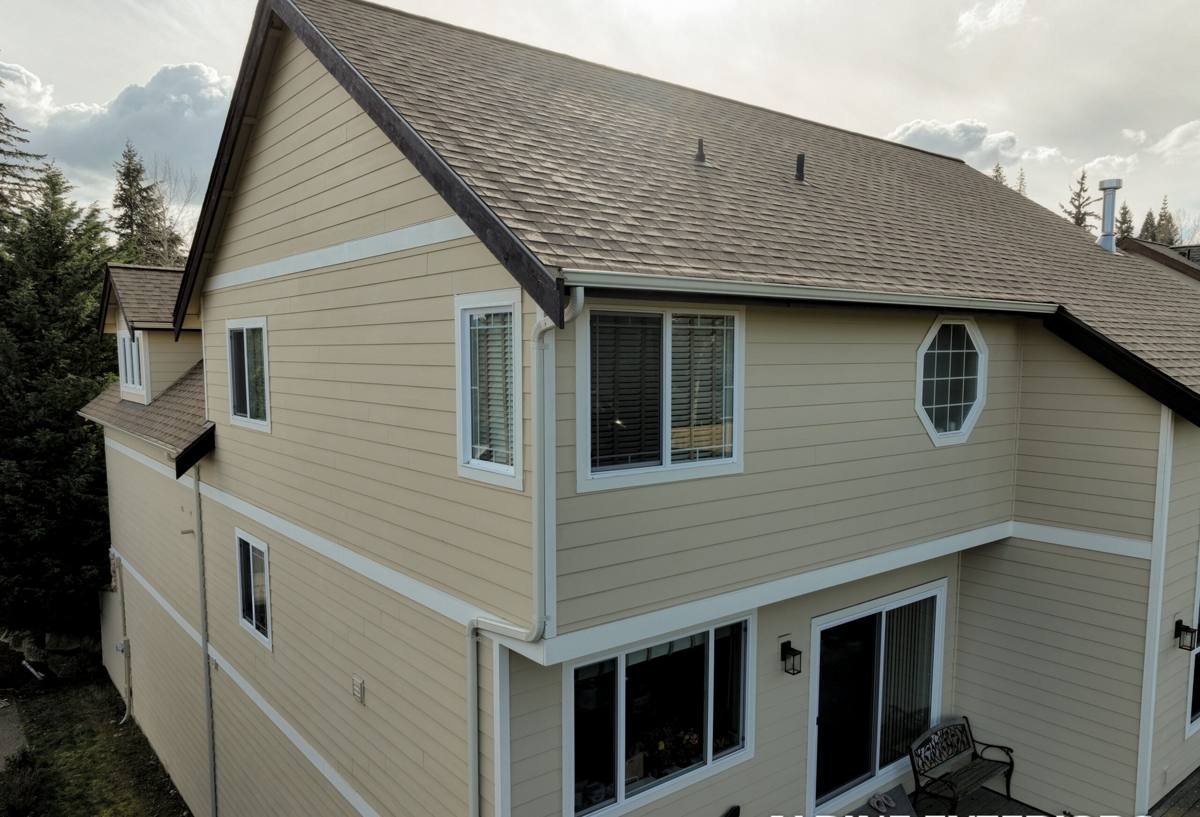
What Actually Drives the Price of a Window
Before getting into ranges, it helps to understand the individual cost levers. Two windows that look identical from the street can carry very different price tags once you account for the following.
Impact Rating and Wind Zone Compliance
St. Petersburg sits in a high-velocity hurricane zone, which means new windows generally need to meet Florida Building Code requirements for wind-borne debris protection. That's typically satisfied one of two ways: impact-rated glass with a laminated interlayer that stays intact when struck, or standard glass paired with code-approved shutters or panels. Impact glass costs more per window but removes the hassle of storm prep and the ongoing cost of separate shutter systems. This single decision affects your quote more than almost anything else.
Frame Material
Vinyl, aluminum, fiberglass, and wood-clad frames all perform differently in salt air and humidity, and they're priced accordingly. Vinyl is the most common choice in this market because it doesn't corrode and handles moisture well. Aluminum is strong and slim-profiled but needs to be a marine-grade or coated product to resist salt corrosion near the coast, which adds cost. Fiberglass sits at the top of the price range but holds up extremely well over decades with minimal maintenance.
Glass Package
Beyond impact resistance, you're choosing glass performance: low-E coatings that block UV and reduce heat gain, the tint level, and whether it's dual-pane or triple-pane. Given how much direct sun Pinellas County gets across the year, a quality low-E coating isn't a luxury upgrade — it's one of the fastest-paying-back parts of the whole job in reduced cooling load and less furniture and flooring fading.
Installation Method
A straightforward insert replacement, where the new window goes into the existing frame opening, costs less than a full-frame replacement that removes everything down to the rough opening. Full-frame work costs more but is often the right call on older homes where the original frame has moisture damage, is out of square, or needs updated flashing and weatherproofing to meet current code.
Size, Shape, and Access
Standard rectangular windows in easy-to-reach locations are the most economical. Large picture windows, sliding glass doors, bay or bow configurations, and anything requiring scaffolding or crane access all add labor and material cost.
Typical Cost Ranges
These are broad, honest ranges for the St. Petersburg market — not a quote. Your actual number depends on the factors above, the condition of your existing openings, and how many windows you're doing at once (whole-house jobs typically bring a better per-window price than one-offs).
| Window Type | Typical Installed Range (per window) | Notes |
|---|---|---|
| Standard vinyl, impact-rated | Mid-range | Most common choice for full-house replacements |
| Vinyl, non-impact + shutters | Lower upfront, added shutter cost | Lower window cost but ongoing storm-prep labor |
| Aluminum, marine-grade, impact-rated | Mid to upper range | Slim sightlines, needs coastal-grade hardware |
| Fiberglass, impact-rated | Upper range | Longest expected service life, lowest maintenance |
| Large format / sliders / picture windows | Significantly above standard sizes | Priced per square foot of glass, not as a flat unit |
Full-frame replacement, custom shapes, second-story access, and interior trim/drywall repair are the most common reasons a project comes in above the base per-window range. A reputable contractor will walk through your specific openings and show you where your job lands on that scale, not just hand you a generic number.
Why Coastal Pinellas County Conditions Change the Math
Homeowners moving here from inland markets are often surprised that the same window brand and size costs more installed in St. Petersburg than it would further north or inland. It's not markup — it's what the environment demands.
- Hurricane-force wind loads require windows and their anchoring to be engineered and tested for the pressures our wind zone can generate, which means more robust frames, glass, and fastening than a standard-climate window.
- Wind-driven rain during tropical storms tests the weatherproofing and flashing details around a window far harder than ordinary rainfall does, which is part of why full-frame installation with proper flashing matters so much here.
- Intense, near-constant UV exposure degrades vinyl, seals, and standard glass faster than in less sunny climates, which is why UV-stabilized frame materials and quality low-E glass packages are worth the extra cost rather than a corner to cut.
- Salt air accelerates corrosion of hardware, screws, and lesser-grade aluminum, which is why coastal-rated components cost more but last longer near the water.
Skimping on any of these to save money upfront tends to show up later as premature seal failure, hardware corrosion, or a window that doesn't perform the way it should during a storm.
What Homeowners Get Wrong About Window Pricing
Comparing Quotes That Aren't Actually Comparable
The single biggest source of sticker shock confusion is comparing a quote for non-impact glass with shutters against a quote for impact-rated glass — or comparing an insert-replacement quote against a full-frame quote. These are different scopes of work with different long-term outcomes, not apples-to-apples pricing.
Assuming the Cheapest Bid Is the Best Value
A low bid that skips permitting, uses a non-impact-rated product without disclosing it, or plans an insert replacement over a frame that actually needs full removal will cost you more down the road — either in a failed inspection, a denied insurance claim after storm damage, or premature repairs.
Forgetting About Permits and Inspection
Window replacement in Pinellas County requires a permit, and the finished work needs to pass inspection against current Florida Building Code wind and impact standards. Permit and inspection fees are a real part of the job cost, and any quote that doesn't account for them isn't a complete quote.
Insurance and Long-Term Value Considerations
Impact-rated windows can influence your homeowners insurance premium, since many carriers offer credits for wind mitigation features that reduce storm damage risk. It's worth asking your insurance agent for a wind mitigation inspection quote alongside your window quote — the premium savings over several years can offset a meaningful portion of the upgrade cost. Beyond insurance, well-installed impact windows also reduce outside noise and add a layer of security, since the same laminated glass that resists wind-borne debris is much harder to break through than standard glass.
What a Fair Estimate Should Include
When you're evaluating quotes, a complete and honest estimate should spell out the following so you're comparing real scopes of work, not just bottom-line numbers.
- Frame material and manufacturer, not just "vinyl windows"
- Impact rating or the storm protection plan if going non-impact
- Glass package details — low-E coating, tint, pane configuration
- Insert versus full-frame installation method
- Whether interior and exterior trim work is included
- Permit fees and who is pulling the permit
- Warranty terms for both the product and the installation labor
- A realistic timeline, including manufacturing lead time
If a quote is missing several of these, ask for them before signing anything. It's much easier to compare bids fairly when everyone is quoting the same scope.
Timing Your Project
Manufacturing lead times for impact-rated windows can run several weeks to a few months depending on the manufacturer and how customized your sizes are, so it pays to plan ahead of hurricane season rather than scrambling once a storm is in the forecast. Contractors and manufacturers alike see demand spikes in the spring as homeowners prepare for the coming season, which can stretch lead times further. Starting the process in late winter or early spring generally gives you the most scheduling flexibility and the best shot at completion before the busiest months.
Getting a Number You Can Actually Trust
The only way to get pricing that reflects your actual home is an in-person assessment — the age and condition of your existing frames, the size and shape of each opening, your home's wind zone requirements, and your priorities around energy performance, noise, and storm protection all factor in. A written estimate should walk through each of those points so you understand exactly what you're paying for and why.
If you're weighing window replacement and want a clear, no-pressure look at what your home would actually need, we're happy to come take a look and walk you through the options in plain language. There's no obligation — just an honest assessment and a straightforward estimate, using the form below.