 St. Petersburg Window
 Windows for an Older St. Petersburg Neighborhood
Historic Kenwood is one of the older residential pockets of St. Petersburg, and it shows in the housing stock — bungalows, craftsman cottages, and early-to-mid-20th-century frame homes with a level of architectural character you don't find in newer subdivisions. That character is exactly why homeowners here get nervous about window replacement. Swap in the wrong style and you flatten the look of the house. Leave failing original windows in place too long and you're paying for it in energy bills, humidity problems, and storm risk. Our job is to thread that needle: modern glass and hardware performance behind a window that still looks like it belongs on the house.
We work on homes across St. Petersburg and Pinellas County, but a neighborhood like Kenwood gets treated differently than a 2005 build in a newer part of town. The construction is different, the window openings are often not standard modern sizes, and in many cases there's a real architectural style to protect rather than just a hole to fill.
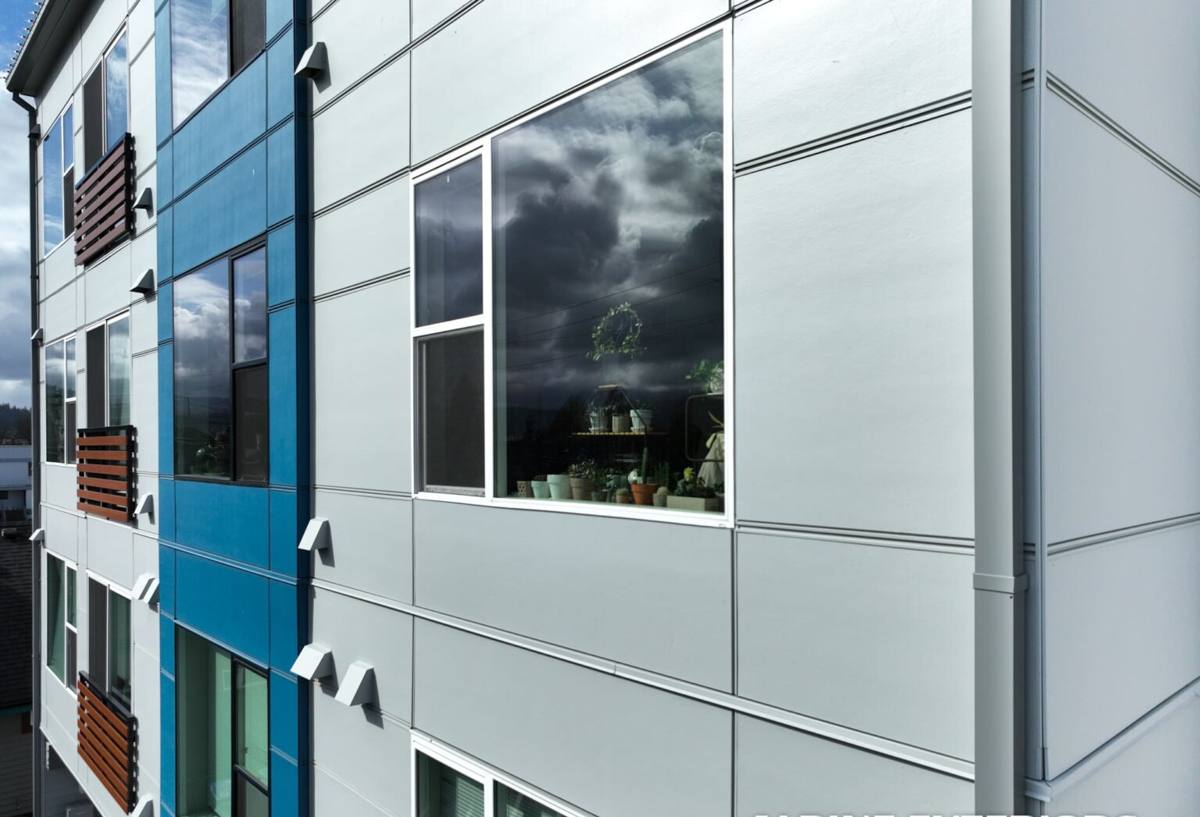
What the Climate Does to Windows Here
Pinellas County sits on a peninsula, and St. Petersburg homes take a steady beating from a few different directions at once. None of it is dramatic on any single day, but it adds up over the life of a window.
Hurricane-Force Wind and Wind-Driven Rain
Tropical systems bring sustained wind loads that older single-pane windows and their original frames were never engineered for, plus horizontal rain that gets driven into gaps around aging sashes and frames. On an older home, the frame itself may have shifted slightly over the decades, which widens those gaps further.
Year-Round UV Exposure
Florida sun isn't seasonal the way it is farther north — it's a near-constant load on window glazing, seals, and any painted wood trim. UV breaks down old glazing putty, dries out weatherstripping, and fades and cracks wood sashes and frames faster than in most other parts of the country.
Salt Air
St. Petersburg's proximity to the water means airborne salt travels further inland than people expect. Salt accelerates corrosion on aluminum frames, hardware, screws, and hinges, and it's part of why window components that would last decades in a dry inland climate wear out noticeably faster here.
Individually, any one of these is manageable. Together, hurricane wind, constant UV, wind-driven rain, and salt air are why window failure in this area tends to show up earlier than homeowners expect, especially on original single-pane wood windows that are 60, 80, or more years old.
Replacing Windows Without Losing the Character
The single biggest mistake we see on older St. Petersburg homes is a window swap that technically "works" but strips the house of what made it distinctive — wrong sash proportions, wrong grid pattern, wrong trim profile, or a frame material that reads as obviously modern from the street. On a Kenwood bungalow or craftsman, the window openings and their proportions are part of the architecture, not just a functional element.
Where original wood windows are still in reasonably sound condition, full replacement isn't always the right call — sometimes the more honest answer is sash repair, re-glazing, and weatherstripping upgrades that restore performance without changing the look at all. Where the frames are genuinely failing (rot, water intrusion, warping, hardware that no longer functions), we replace with a window built to match the original sightlines: matching muntin/grid patterns, appropriate sash proportions, and trim that doesn't look bolted on. If your home falls within a locally designated historic district, there may also be exterior review requirements for street-facing changes — we'll talk through what that means for your specific property before any work starts.
Impact-Rated Windows: What They Actually Do
"Impact windows" gets used loosely, so it's worth being specific. An impact-rated window uses laminated glass — two panes bonded around an interlayer — set into a frame and anchoring system tested to stay intact under wind-borne debris impact and the pressure cycling of hurricane-force wind. The glass can crack on a direct hit, but the laminate holds it together instead of opening the house to wind and rain.
The advantage over a code-minimum window with separate shutters is that impact glass is protecting the house every day it's installed, not just when someone remembers to put shutters up before a storm. It also tends to cut down on highway noise and UV transmission year-round, which matters on a busy street or a home with a lot of south- or west-facing glass.
Impact glass isn't mandatory for every replacement — it depends on your wind zone, the specifics of your home, and your budget — but for an older home in Pinellas County that's already dealing with wear from wind and salt air, it's usually worth pricing out as an option rather than dismissing on cost alone.
Choosing a Frame Material and Style
There's no single "best" window material — the right choice depends on the home's age, style, budget, and how much maintenance you want to take on. Here's how the common options compare for a home like the ones in Kenwood:
| Material | Fit for Historic-Style Homes | Maintenance | Salt-Air Durability |
|---|---|---|---|
| Wood (original or wood-clad replacement) | Best match for period-correct look and profile | Highest — needs regular painting/sealing | Moderate; vulnerable to moisture without upkeep |
| Vinyl | Workable in simple profiles; less authentic on ornate trim | Low | Good — won't corrode |
| Aluminum | Slim sightlines can suit some craftsman details | Moderate | Weaker — prone to salt corrosion over time |
| Fiberglass | Can be finished/painted to approximate wood look | Low | Very good — stable and corrosion-resistant |
On a lot of Kenwood-area replacements, we end up recommending wood-clad or fiberglass options with painted exterior finishes and true or simulated divided lites — they hold the period look while giving you a frame material that isn't fighting the climate on its own.
What the Replacement Process Looks Like
A window job on an older home takes more care than on new construction because the openings are rarely a standard modern size, and there's often trim, casing, or plaster detail around the window that needs to be protected or matched.
- On-site assessment of existing window condition, opening sizes, and any signs of rot, water intrusion, or structural movement around the frame
- Discussion of material, glass, and grid-pattern options that fit the home's architecture and your budget
- Accurate measurement and ordering — older openings often require custom sizing rather than stock windows
- Removal of existing windows with attention to preserving surrounding trim and interior finishes where possible
- Installation with proper flashing and sealing at the frame — this is where a lot of leaks originate if it's rushed
- Final check of operation, weatherstripping, and exterior caulking/paint lines
Cost Factors to Expect
Window replacement pricing varies widely based on the choices below — there's no honest flat number we can quote without seeing the home, but these are the factors that move the price most:
| Factor | Why It Matters |
|---|---|
| Standard vs. custom sizing | Older, non-standard openings cost more than stock-size replacements |
| Impact-rated vs. standard glass | Laminated impact glass costs more upfront but reduces storm-related repair risk |
| Frame material | Wood and wood-clad typically cost more than vinyl; fiberglass falls in between |
| Grid pattern and glass detailing | True divided lites and custom muntin patterns add labor and material cost |
| Number of openings and access | Second-story or hard-to-access windows add labor time |
| Trim and casing repair | Rotted or damaged surrounding wood adds to the scope beyond the window itself |
We'll walk through these trade-offs plainly during an estimate rather than pushing the most expensive option — some homes genuinely don't need full impact glass on every opening, and we'll say so.
Signs Your Windows Need Attention
- Sashes are difficult to open, stick, or won't stay up on their own
- Visible gaps, drafts, or daylight around the frame when closed
- Wood is soft, discolored, or shows rot at the sill or lower frame corners
- Condensation forms between glass panes (a sign a sealed unit has failed)
- Peeling paint or glazing putty that's cracked and pulling away from the glass
- Noticeable rise in cooling costs with no other explanation
- Rusted or corroded hardware, hinges, or fasteners on aluminum-frame windows
Why Work With a Local Crew
Windows aren't the only thing wearing down on an older St. Petersburg home — the same wind, UV, and salt exposure that ages a window frame is working on the roof, the siding, and any exterior decking at the same rate. We handle all of it: siding, roofing, windows, and decks, which matters on a home where a window replacement often surfaces a related issue nearby, like trim rot tied into siding or flashing that ties into the roofline. Instead of bringing in three separate contractors and hoping their work lines up at the seams, one crew can see the whole exterior picture and flag what actually needs attention versus what can wait.
A crew that works Pinellas County regularly also has a practical read on what holds up here versus what looks fine in a showroom and fails in three years under real salt air and storm exposure. That's the kind of judgment that's hard to get from a contractor who mostly works inland or out of state.
If you're weighing whether it's time to repair or replace windows on a Historic Kenwood home, we're happy to take a look and give you a straightforward, no-pressure estimate — just fill out the form below to get started.