 St. Petersburg Window
 Windows in a Neighborhood Built for a Different Era
Crescent Lake sits in one of St. Petersburg's older, established residential pockets, and the housing stock reflects it. A lot of the homes here were built decades before modern wind and energy codes existed, which means their original windows were never designed for what Pinellas County weather actually delivers year-round. Single-pane wood or early aluminum windows were fine for their time, but they were built for a milder set of expectations than hurricane-force gusts, sustained UV exposure, and salt-laden air moving in off Tampa Bay.
None of that is a knock on the homes — a lot of the architecture in this part of St. Pete is worth preserving, and good window work respects that. But it does mean window replacement here is rarely a cosmetic decision. It's usually driven by frames that have finally given out, glass that's failing, or an owner who wants the home brought up to a wind and moisture standard that matches how Florida actually behaves.
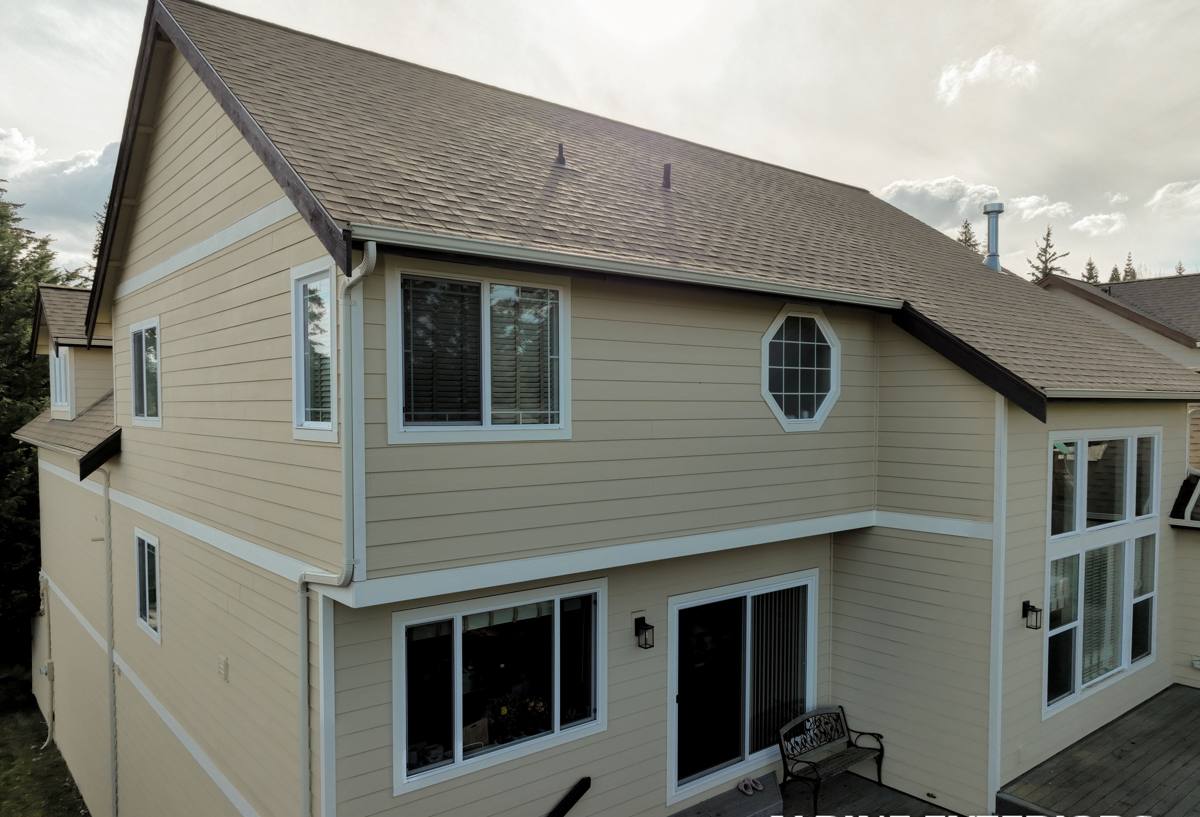
What the Climate Actually Does to Windows Here
Four things wear on windows in this part of the state, and they compound each other over time:
- Hurricane-force wind: Even homes that never take a direct hit see repeated seasons of tropical-storm-force gusts that flex frames, stress seals, and — in an actual storm — turn unprotected glass into a liability from wind-borne debris.
- Intense, near-constant UV: Florida sun breaks down vinyl, degrades seals, and fades or clouds older glazing faster than in most of the country. It's a year-round load, not a summer problem.
- Wind-driven rain: St. Petersburg's storms rarely come straight down. Rain gets pushed sideways into window assemblies, which exposes any weakness in flashing, sealant, or frame fit as active water intrusion rather than a hypothetical risk.
- Salt air: Being close to the bay means airborne salt settles on and around metal hardware, fasteners, and frame components. It accelerates corrosion in materials that aren't rated for coastal exposure.
Individually, any one of these is manageable. Together, over 30-50 years on an older Crescent Lake home, they're usually what's actually behind rot at the sill, hardware that won't operate smoothly, or glass that's hazy between the panes.
Signs a Window Is Actually Due for Replacement
Not every window problem means full replacement — sometimes it's a repair, a reglaze, or new weatherstripping. But certain signs point clearly toward replacement rather than patching:
- Wood frames that are soft, splitting, or show visible rot at the bottom corners or sill
- Fogging or a permanent haze between panes on insulated glass units (a sign the seal has failed)
- Windows that won't stay open, won't latch, or require force to operate
- Visible daylight or a draft around the frame when the window is closed and locked
- Condensation forming on interior glass regularly, even when humidity indoors is normal
- Frames that are single-pane and non-impact-rated in a home that's never had storm protection upgraded
- A noticeable jump in cooling costs that lines up with window age, not other factors
If a home is showing two or more of these, it's usually more cost-effective long-term to replace than to keep repairing.
Impact-Rated Glass: What It Actually Means for This Area
Florida Building Code enforces wind-borne debris protection requirements across much of Pinellas County, including St. Petersburg. In practical terms, that means new or replacement windows generally need to either be impact-rated (laminated glass that stays intact even when cracked) or paired with approved storm shutters or panels. Impact-rated windows have become the more common choice for homeowners doing a full replacement, mainly because they provide continuous protection without the homeowner needing to install anything before a storm arrives.
It's worth being clear about what "impact-rated" buys you and what it doesn't. It significantly reduces the chance of storm debris breaching the glass and pressurizing the home, which is often what causes catastrophic roof and structural damage in a hurricane. It does not make a window indestructible, and it's not a substitute for a properly built and flashed frame assembly — the glass can be rated correctly and the installation can still leak if it's not done right.
Impact-Rated vs. Standard Windows
| Factor | Standard (Non-Impact) Windows | Impact-Rated Windows |
|---|---|---|
| Storm protection | Requires separate shutters or panels | Built-in protection, no setup before a storm |
| Upfront cost | Lower | Higher |
| Insurance impact | May not qualify for wind mitigation credits | Often eligible for wind mitigation discounts |
| Noise reduction | Standard | Noticeably better due to laminated glass |
| UV/fade protection | Varies by glass package | Typically better due to laminate interlayer |
| Code compliance in coastal Pinellas areas | Requires shutters to meet code | Meets wind-borne debris requirement on its own |
Choosing a Frame Material for This Environment
Frame material matters as much as the glass package, especially with salt air and UV working against it year-round. There's no single right answer for every home — it depends on budget, the home's architecture, and how much maintenance an owner wants to take on.
| Material | Strengths Here | Trade-Offs |
|---|---|---|
| Vinyl | No corrosion risk from salt air, good insulation value, low maintenance | Can expand/contract with heat; quality varies widely by manufacturer |
| Aluminum | Strong, slim sightlines, historically common in Florida | Conducts heat, and lower-grade coatings can corrode near the bay over time |
| Fiberglass | Very stable in heat, strong, holds paint well | Higher upfront cost |
| Wood | Matches original character on older/historic homes | Highest maintenance burden in this climate; needs regular upkeep to resist rot |
For a lot of Crescent Lake's older homes, the honest trade-off comes down to matching the original look versus minimizing long-term maintenance. We'll walk through that with you rather than push one material as a default — it depends on whether the home is under any historic guidelines and how much upkeep you want going forward.
Permits and Doing the Installation Right
Window replacement in the City of St. Petersburg requires a permit, and inspectors are checking for correct product approval numbers, proper flashing, and code-compliant installation — not just that a window is physically in the opening. This isn't a step to skip or shortcut. A window that's individually rated correctly but installed with poor flashing or the wrong fastening schedule can still fail exactly where it was supposed to protect the home: at the frame-to-wall connection during wind-driven rain.
We pull permits, install to the manufacturer's approved specifications, and get the required inspections — because that's the only way the wind rating and warranty actually mean anything.
Why a Local Crew Matters for This Kind of Work
A lot of what determines whether a window installation holds up here isn't the product — it's the installer's judgment about how this specific home, in this specific pocket of St. Petersburg, needs to be flashed, sealed, and fastened. A crew that works across Pinellas County regularly sees how older bungalow-era framing behaves, how stucco and siding transitions need to be handled around a new window opening, and where wind-driven rain typically finds its way in on homes of this age and style.
We also handle roofing, siding, and decks — which matters here because window openings don't exist in isolation. Flashing at a window has to integrate correctly with the siding or stucco around it, and a crew that only ever touches windows can miss that connection. Doing the full exterior envelope gives us a clearer picture of how water actually moves around a home before it becomes a problem inside.
Comfort and Energy Cost Beyond Storm Protection
Storm performance tends to be the headline reason for replacement, but day-to-day comfort is usually what homeowners notice first. St. Petersburg's UV load and long cooling season mean older single-pane windows are working against the air conditioning constantly. Modern insulated glass with a low-E coating cuts down heat gain significantly, which shows up as a steadier indoor temperature and a lighter cooling load — particularly in west- and south-facing rooms that take the brunt of Florida sun for most of the day.
Better seals also cut down on the humidity and moisture infiltration that older, loose-fitting windows tend to let in, which matters in a climate where indoor humidity control is a constant, not seasonal, concern.
Getting Started
If your Crescent Lake home has windows that are original or close to it, showing wear, or just not rated for what Pinellas County weather brings, we're glad to take a look and give you a straight assessment — no pressure, no upsell. Use the form below to request a free estimate, and we'll walk the home with you and talk through what actually makes sense for your budget and your house.