 St. Petersburg Window
 Windows in Shore Acres: A Bayfront Neighborhood With Its Own Demands
Shore Acres sits along Tampa Bay on the northeast side of St. Petersburg, and its canals and open water views come with a trade-off: this is one of the more exposed pockets of the city when it comes to weather. Homes here catch wind off the bay more directly than properties set back inland, and that exposure shows up first in the windows. Frames, seals, and glazing take a steady beating from sun, salt-laden air, and wind-driven rain that inland St. Petersburg neighborhoods simply don't see at the same intensity.
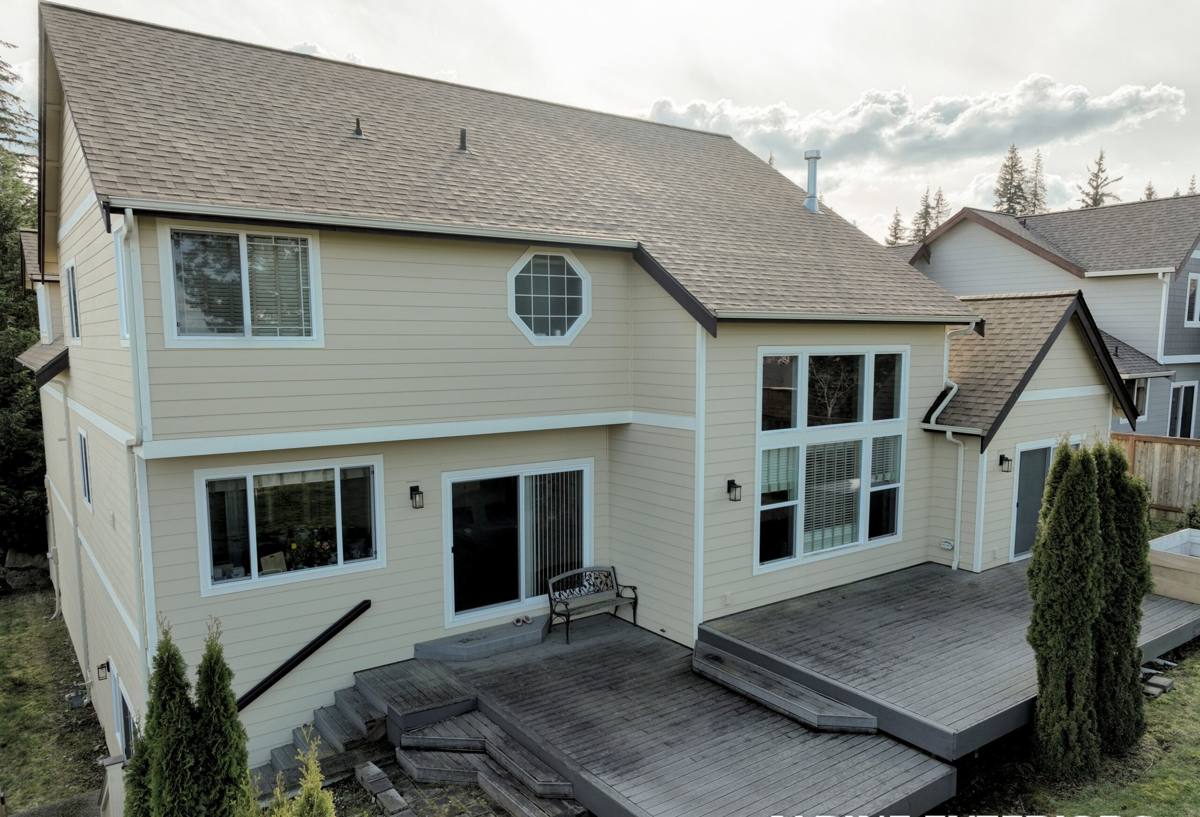
We install and repair windows for homes throughout Shore Acres and the surrounding St. Petersburg area, and we also handle siding, roofing, and decks — because on a bayfront property, those systems all work together as one exterior envelope. A window that's properly flashed but sitting in siding that's failing, or under a roof edge that's letting water track down the wall, is still going to leak eventually. We look at the whole picture, not just the opening in the wall.
What Pinellas County's Climate Does to Windows Over Time
Sun and Heat
Pinellas County gets intense, nearly year-round UV exposure, and it's harder on windows than most homeowners expect. Vinyl frames can soften, discolor, or warp under sustained heat and direct sun, especially on west-facing elevations. Glazing seals and weatherstripping dry out and lose flexibility faster here than in milder climates, which is usually the first thing to go on an aging window — long before the glass itself fails.
Wind-Driven Rain and Storm Exposure
Bayfront exposure means wind doesn't just blow — it pushes rain sideways into every gap, seam, and flashing detail around a window opening. A window that would perform fine in a sheltered inland yard can still leak in Shore Acres if the flashing and sealant details weren't done correctly, because water is being driven into the wall assembly rather than falling straight down onto it. During named storms and seasonal squalls, that wind load also puts real pressure on the glass and frame itself, which is why impact rating and correct anchoring matter more here than in most of the metro area.
Salt Air and Humidity
Proximity to Tampa Bay means a steady dose of salt-laden air moving across Shore Acres properties, even on days without a storm in sight. Salt accelerates corrosion on window hardware — hinges, locks, balance mechanisms, and screws — and it can degrade lower-grade finishes and gaskets faster than a drier, inland setting would. Combine that with Florida's humidity, and you also get more condensation activity between panes on older or poorly sealed units, which is one of the clearest signs a window's seal has failed.
Impact Windows: What Actually Matters
"Impact window" gets used as a catch-all term, but the details behind that label are what actually determine how a window performs in a storm and how it holds up day to day.
Glass and Laminate
Impact-rated glass uses a laminated interlayer sandwiched between two panes of glass, so the unit can crack under impact without opening a hole in the wall. The thickness of that interlayer and the glass itself affects both impact performance and sound dampening — a real benefit in a neighborhood that sees regular boat traffic and open-water wind noise.
Frame Material
Vinyl, aluminum, and fiberglass frames each behave differently in this climate. Vinyl is common and cost-effective but can expand, contract, and soften more under sustained heat. Aluminum holds its shape well and handles structural loads efficiently but conducts heat and, if not properly treated, is more prone to corrosion in salt air. Fiberglass tends to hold dimensional stability best across heat swings but usually carries a higher price point. There isn't a single right answer for every home — it depends on the elevation, sun exposure, and budget.
Installation and Flashing
The window unit itself is only half the equation. How it's flashed and sealed into the wall opening determines whether wind-driven rain actually stays out. We pay particular attention to head flashing, sill pans, and how the window integrates with the surrounding siding or stucco, because that transition point is where most water intrusion problems on bayfront homes actually start — not in the glass or the frame.
How We Approach a Shore Acres Window Project
On-Site Assessment
We start by walking the exterior and looking at each opening individually — sun exposure, current frame condition, signs of past leaks or condensation, and how the window ties into the surrounding wall. Bayfront homes don't always need the same product on every elevation; a west-facing wall with direct afternoon sun and wind exposure often calls for different specifications than a shaded, protected side of the same house.
Product Selection
From there we go over glass, frame material, and impact rating options in plain terms, along with realistic cost and maintenance trade-offs for each. We're not going to push the most expensive option on every job — the right choice depends on the specific opening, the home's exposure, and what the homeowner actually needs it to do.
Installation Day
Old units come out, the opening gets inspected for hidden rot or water damage before anything new goes in, and flashing and sealant are installed to spec — not just caulked over and called done. Skipping that inspection step is one of the most common ways window problems get sealed up and hidden instead of actually fixed.
Cleanup and Walkthrough
We walk the finished work with the homeowner, confirm operation on every unit, and clean up the job site before we leave. If anything doesn't operate the way it should, we address it before calling the job complete.
Windows Are Part of a Bigger System
We handle siding, roofing, windows, and decks, and on a property like a Shore Acres home, those trades overlap more than people expect. A roof edge that's shedding water incorrectly can send it straight down onto a window head flashing. Siding that's failing around a window opening undermines even a well-installed unit. And a deck built without proper drainage detailing near the house can push moisture back toward the foundation and lower walls. Treating these as one connected exterior system, rather than four separate trades, is how problems actually get solved instead of just relocated.
Cost Factors for Window Replacement in This Area
| Factor | Why It Matters in Shore Acres | Effect on Cost |
|---|---|---|
| Impact rating | Bayfront wind exposure and storm risk favor impact-rated glass | Higher upfront cost, often offset by insurance discounts |
| Frame material | Vinyl, aluminum, and fiberglass age differently under sun and salt air | Fiberglass and higher-grade aluminum cost more than standard vinyl |
| Number of openings | Whole-house replacement vs. targeted problem windows | Per-unit cost typically drops with larger jobs |
| Flashing and wall condition | Bayfront wall assemblies often need more careful integration work | Added labor if hidden water damage is found during removal |
| Window size and configuration | Large openings, sliders, and custom shapes cost more than standard sizes | Custom or oversized units increase both material and labor cost |
These are the factors that actually move the number on an estimate — not a flat per-window price that ignores the specifics of the home. We'll walk through each of these with you before giving a quote, so there's no guessing at what's driving the cost.
A Practical Checklist Before Hiring for Window Work in Shore Acres
- Ask whether the quoted windows are impact-rated and confirm the specific glass and frame specifications, not just "impact windows" as a general label
- Confirm the contractor is licensed and insured to do exterior and window work in Florida
- Ask how they handle flashing and sealant integration with your existing siding or stucco, not just the window swap itself
- Get a written scope of work and product specification sheet before signing anything
- Ask what happens if hidden rot or water damage is found once old windows come out
- Confirm warranty coverage on both the product and the installation labor separately
Signs Your Shore Acres Windows Need Attention
- Fogging or condensation trapped between panes, indicating a failed seal
- Frames that feel soft, warped, or difficult to open and close smoothly
- Visible daylight or drafts around the frame edges
- Water staining on the wall or sill below a window after wind-driven rain
- Chalky, discolored, or pitted frame finish, especially on west or water-facing sides
- Hardware — locks, cranks, or balances — that's stiff, corroded, or no longer functioning
Permitting and Local Code Considerations
Window replacement in St. Petersburg and Pinellas County generally requires a permit, and inspectors will check that the installed product and flashing details meet current Florida Building Code requirements for wind-borne debris regions along the coast. That's not paperwork for its own sake — it's the mechanism that confirms a window is actually rated and installed the way it needs to be for this area's wind exposure. We handle the permitting process as a standard part of the job rather than treating it as optional, and we don't recommend working with anyone who suggests skipping it to save time.
Why a Local Crew Matters
A crew that works Shore Acres and the surrounding St. Petersburg neighborhoods regularly already knows how this bayfront exposure behaves differently than an inland Pinellas County property just a few miles away. That shows up in small decisions — which flashing detail gets extra attention on a west-facing wall, how much clearance to leave for thermal movement in a vinyl frame under direct sun, which hardware grade actually holds up against salt air over years, not months. Those details are what separate a window installation that lasts fifteen to twenty years from one that starts showing problems after the first couple of storm seasons.
We're also just easier to reach when something needs a second look after the fact. A local crew doesn't disappear once the final invoice is paid, and being familiar with this specific stretch of the bay means fewer surprises during the assessment and a more accurate estimate from the start.
If you're weighing options for window replacement or repair on a Shore Acres home — or want an honest read on how your siding, roof, or deck are holding up alongside them — we're happy to take a look. Reach out below for a free, no-pressure estimate.