 St. Petersburg Window
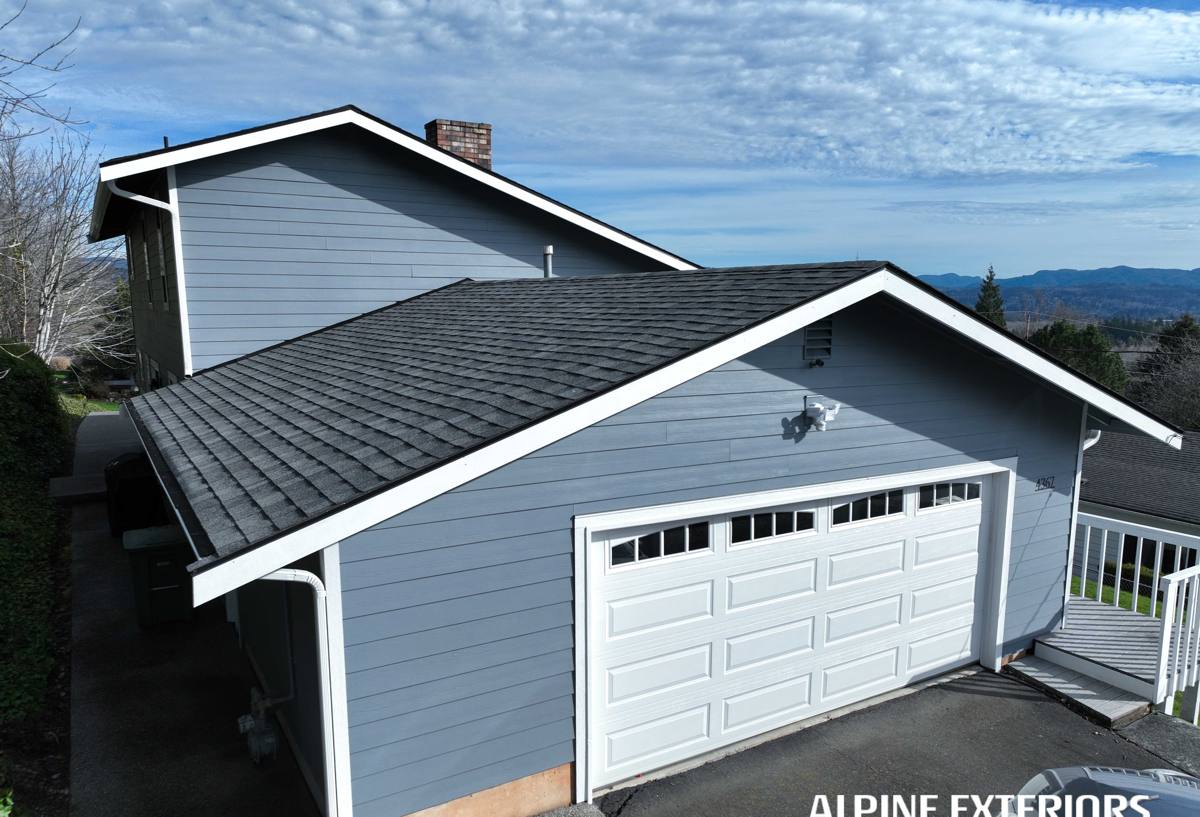
 Asphalt Shingle Roofing Built for Bartlett Park
Bartlett Park sits inland enough from the water that homeowners sometimes assume their roofs face less punishment than beachfront properties. That's only partly true. Every house in St. Petersburg, regardless of distance from Tampa Bay, deals with the same baseline conditions: intense year-round UV exposure, sudden downpours that arrive sideways in a stiff wind, salt-laden air that drifts in off the Gulf and the bay, and the real possibility of hurricane-force gusts during storm season. Asphalt shingle roofing remains one of the most practical, cost-effective ways to protect a home here, but only when it's installed with those specific stressors in mind rather than treated as a generic product installed the same way it would be in a drier, cooler climate.
We work on homes throughout Bartlett Park and the surrounding St. Petersburg neighborhoods, and we've seen firsthand how a roof that looks fine from the street can be failing underneath because the underlayment, ventilation, or fastening pattern wasn't matched to Pinellas County conditions. This page covers what a correctly installed asphalt shingle roof needs to hold up here, what our process looks like, and why local experience matters more than most homeowners realize.
Why Local Climate Changes the Job
Asphalt shingles are engineered products, and their performance depends heavily on how they're installed, not just which brand or line is chosen. In a place like Bartlett Park, four environmental factors do most of the damage over a roof's life:
- UV exposure: Florida sun is stronger and more consistent year-round than in most of the country. UV breaks down the asphalt binders in shingles over time, which is why granule loss and brittleness show up earlier here than in northern climates.
- Wind-driven rain: St. Petersburg storms rarely fall straight down. Wind pushes rain sideways and upward under shingle tabs and around flashing, which means seals and laps have to be tighter than in calmer climates.
- Hurricane and tropical-storm wind loads: Pinellas County sits in a high-wind zone. Fastening patterns, nail placement, and shingle wind ratings all matter more here than in inland states.
- Salt air: Even a few miles from the water, airborne salt accelerates corrosion on exposed metal — flashing, fasteners, and vent components — which shortens the life of hardware that isn't rated for coastal exposure.
None of these factors are unique to Bartlett Park specifically, but they're consistent across the neighborhood because of its location within the greater St. Petersburg area. A roofing job that ignores them — using standard fasteners instead of corrosion-resistant ones, or skipping proper underlayment overlap — tends to show problems within a few years instead of holding up for its expected lifespan.
What a Correct Asphalt Shingle Job Involves
Tear-Off and Deck Inspection
We don't install new shingles over old ones, and we don't recommend it to homeowners who ask. A full tear-off lets us inspect the roof deck for soft spots, water staining, or rot that's invisible from above. In older Bartlett Park homes, this step sometimes reveals deck damage from a slow, long-term leak that never showed up as a visible ceiling stain. Catching that during tear-off, rather than after the new roof is on, is the difference between a repair now and a much bigger problem in five years.
Underlayment
Underlayment is the roof's backup waterproofing layer, and in a wind-driven rain climate it does more work than people assume. We use synthetic or self-adhering underlayment products appropriate to the roof's slope and exposure, with attention to proper overlap at seams and extra protection at valleys and eaves — the areas most prone to wind-forced water intrusion.
Flashing
Flashing around chimneys, vents, skylights, and roof-to-wall transitions is one of the most common failure points on any roof, and it's often the actual cause of a "shingle leak" that homeowners blame on the shingles themselves. We replace flashing rather than reuse it whenever a roof is redone, using corrosion-resistant materials suited to salt-air exposure.
Fastening for Wind
Nail count, nail placement, and nail type all affect a shingle roof's wind performance. Florida building code sets minimum standards for this, and we don't treat those as a ceiling — we fasten to hold up against the wind speeds this area can realistically see, not just the code minimum.
Ventilation
Proper attic ventilation keeps heat and moisture from building up under the deck, which protects both the shingles from below and the wood structure itself. In a hot, humid climate like St. Petersburg's, poor ventilation shortens shingle life and can contribute to moisture problems that have nothing to do with an actual leak.
Comparing Shingle Options for This Climate
Not all asphalt shingles perform the same way under Gulf Coast conditions. The table below outlines the general trade-offs we walk homeowners through when choosing a product line.
| Shingle Type | Wind Rating Range | UV/Heat Durability | Typical Trade-Offs |
|---|---|---|---|
| 3-Tab (standard) | Lower end of rated range | Fair — shorter service life in intense sun | Lowest upfront cost, lighter profile, less wind resistance |
| Architectural/Laminate | Mid-to-high, depending on line | Good — thicker mat handles UV better | Higher upfront cost, better appearance, longer expected service life |
| Impact-Rated Architectural | High-end wind ratings | Good to very good | Highest upfront cost, may qualify for insurance premium credits |
For most Bartlett Park homes, we steer conversations toward architectural shingles with a wind rating suited to the local exposure. The price difference over a standard 3-tab product tends to be modest compared to the difference in how the roof performs during its first major storm season.
Signs Your Bartlett Park Roof Needs Attention
Asphalt shingle roofs rarely fail all at once. They show warning signs first, and catching those early usually means a repair instead of a full replacement. Homeowners should watch for:
- Granules collecting in gutters or at downspouts, especially after a heavy rain
- Shingle edges curling or lifting, particularly on roof faces that get the most afternoon sun
- Dark streaking or staining that doesn't wash off with rain
- Soft spots underfoot if you or a contractor walk the roof
- Visible cracking in flashing or sealant around vents and chimneys
- Missing shingles or exposed nail heads after a windy afternoon
- Rising energy bills that could point to attic heat buildup from failing ventilation
Any one of these on its own isn't necessarily an emergency, but a combination of two or more is worth a professional look before the next storm season.
Our Process, Start to Finish
1. On-Site Inspection and Honest Assessment
We start by walking the roof and attic, not just eyeballing it from the ground. We'll tell you plainly whether you need a repair, a partial re-roof, or a full replacement — we don't upsell a full roof when a targeted repair will do the job.
2. Written Estimate
You get a clear, itemized estimate before any work starts, covering material choice, scope, and timeline. No surprise add-ons once the crew is on the roof.
3. Material Selection
We'll walk you through shingle options suited to your home's exposure, budget, and the wind and UV conditions specific to this part of St. Petersburg — not a one-size-fits-all recommendation.
4. Tear-Off, Deck Repair, and Installation
Full tear-off, deck inspection and repair as needed, new underlayment, new flashing, and shingle installation with fastening appropriate to local wind exposure.
5. Cleanup and Final Walkthrough
We clear debris and nails from the property — including a magnetic sweep of the yard and driveway — and walk the finished roof with you before calling the job done.
Cost Factors Homeowners Should Understand
Every roof is different, so we don't publish flat prices, but the main factors that move cost up or down are consistent across most Bartlett Park jobs:
| Factor | Effect on Cost |
|---|---|
| Roof size and number of facets/valleys | More complexity means more labor and material |
| Deck condition found at tear-off | Rotted or soft decking adds repair cost not visible before tear-off |
| Shingle line chosen | Architectural and impact-rated products cost more upfront than 3-tab |
| Number of penetrations (vents, chimneys, skylights) | Each one needs its own flashing work |
| Current ventilation setup | Adding or upgrading vents adds a modest cost but pays off in shingle life |
We'd rather walk you through these variables in person and give you real numbers for your actual roof than throw out a broad range that doesn't mean much until we've seen the house.
Why Local Experience in St. Petersburg Matters
A roofing crew that works Pinellas County regularly knows things a crew from outside the area might not think to check: how the local building code's wind provisions apply, which flashing and fastener grades hold up against salt air, and how the neighborhood's tree canopy and roof pitches typically affect ventilation and debris buildup. That familiarity shows up in fewer callbacks and a roof that performs the way it's supposed to during the first real storm test, not just on a sunny inspection day.
We also know that in a market like this one, a roof isn't just protecting a house — it's protecting an investment in a place where property values and insurance requirements are both closely tied to roof condition and age. Getting the work done right the first time matters for both reasons.
Get a Free, No-Pressure Estimate
If your Bartlett Park home's roof is showing its age, or you just want an honest opinion on its current condition, we're happy to take a look. Use the form below to request a free estimate — no pressure, no obligation, just a straight assessment from a crew that works this area regularly.