 St. Petersburg Window
 Windows on Coquina Key Face a Different Kind of Wear
Coquina Key sits on filled land along the water in southeast St. Petersburg, and that waterfront setting shapes everything about how windows perform here. Homes on canals and open water get more direct sun exposure with fewer trees and structures to break it up, more direct wind loading off the water during storms, and near-constant contact with salt-laden air. None of that is unique to one street or one house — it's the baseline reality for anyone living on the water in Pinellas County, and it means windows here age differently than windows ten miles inland.
Vinyl frames can start to chalk or discolor sooner under that level of UV exposure. Aluminum frames and hardware are more prone to pitting and corrosion when salt air is a daily factor rather than an occasional one. Seals and weatherstripping that would last 15-20 years in a drier, shadier inland location may need attention sooner on a canal-front lot. None of this means Coquina Key homes need exotic products — it means the products need to be chosen and installed with that environment in mind, not treated as an afterthought.
What Hurricane Winds and Wind-Driven Rain Actually Do to a Window
St. Petersburg sits in a wind-borne debris region, and Pinellas County's building code reflects that. The failure most homeowners picture is glass breaking outright, but in practice the more common problem is quieter: wind-driven rain finding a path through a frame that's flexed, a seal that's degraded, or an installation gap that was never sealed correctly in the first place. Water intrusion around windows is one of the most common sources of hidden interior damage after a tropical system — not from a dramatic failure, but from water working its way in over hours of sustained wind and rain.
Where Problems Usually Start
- Old caulking or sealant around the frame that's cracked, shrunk, or pulled away from the wall
- Weep holes that have been painted over or blocked, trapping water instead of draining it
- Frames that were never properly flashed or shimmed during the original installation
- Single-pane or older double-pane units with worn seals that fog or leak air
- Hardware — locks, latches, rollers — that's corroded from salt air and no longer seats tightly
A window can look fine from the street and still be doing a poor job of keeping water and wind out. That's why we look at the whole assembly — frame, flashing, sealant, and glass — rather than just quoting a piece of glass.
Impact-Rated vs. Protected Windows: An Honest Comparison
Homeowners on Coquina Key generally choose between two approaches: impact-rated windows built to meet Florida's wind-borne debris standards on their own, or standard windows paired with separate protection like shutters or panels. Both are legitimate approaches. The right one depends on budget, how the home is used, insurance considerations, and how much you want to deal with storm prep each season.
| Factor | Impact-Rated Windows | Standard Windows + Shutters/Panels |
|---|---|---|
| Storm prep effort | None — windows stay in place | Shutters or panels must be installed before each storm |
| Upfront cost | Higher per opening | Lower window cost, added cost for shutters/panels |
| Daily comfort (UV, noise, insulation) | Better UV blocking and sound dampening year-round | Standard performance except when shutters are deployed |
| Insurance considerations | May qualify for wind mitigation credits | Depends on protection type and documentation |
| Appearance | Clean, unobstructed views year-round | Shutters visible or need storage when not deployed |
Either path can meet Pinellas County's code requirements when installed correctly. We'll walk through what fits your home and your budget rather than pushing one option — the honest answer is that both have real trade-offs, and the "best" choice depends on how you actually live in the house.
Why Installation Quality Matters More Than the Window Itself
A high-end impact window installed poorly will underperform a mid-range window installed correctly. This is true everywhere, but it matters more on a waterfront lot like Coquina Key because the margin for error is smaller. Proper installation means correct flashing integration with the wall system, sealant compatible with the frame material, shims and fasteners rated for the wind loads in this zone, and attention to how the opening was framed originally — older homes sometimes have openings that are slightly out of square, and a rushed install papers over that instead of correcting it.
We pull permits and follow Pinellas County's current wind and building code requirements on every window job, not just on request. A window that's rated correctly on paper but installed loosely still leaves you exposed.
Roofing, Siding, and Decks Work Together With Your Windows
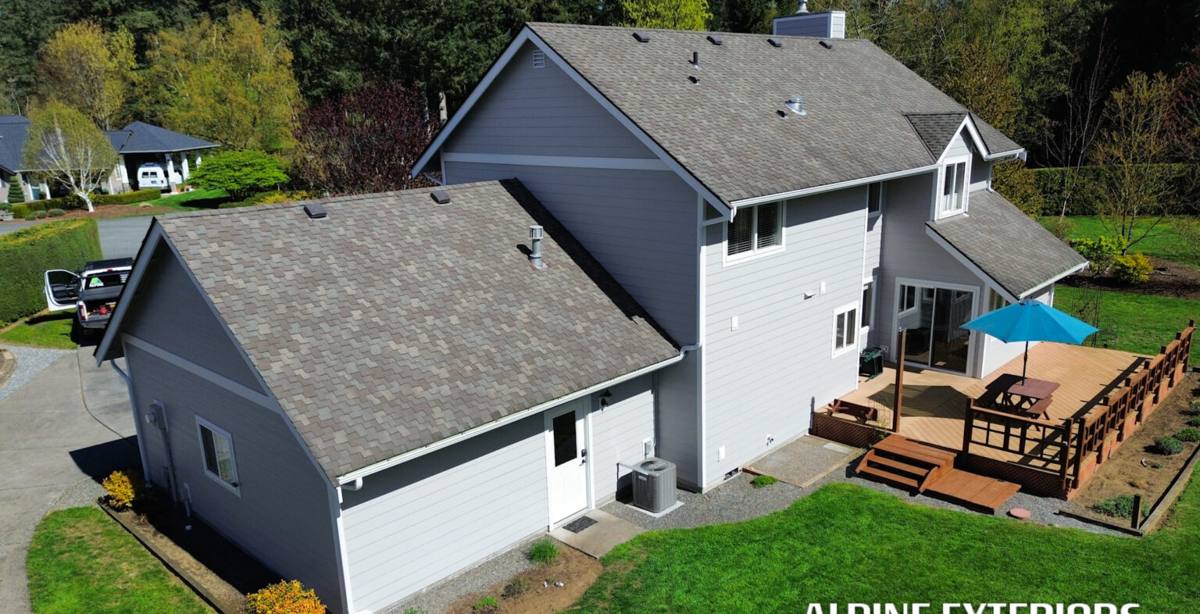
Windows don't perform in isolation. On a home exposed to wind-driven rain, the roofline, siding, and window flashing all have to work as one system to keep water out. We handle roofing, siding, and decking in addition to windows, which means when we're on a Coquina Key property we're looking at how water actually moves across the whole exterior — where a roof drains near a window head, how siding terminates at a frame, whether a deck attachment point is creating a moisture trap against the house. A window replacement done without that context can solve one problem and leave another untouched.
This matters especially on canal-front homes where decks and outdoor living space see heavy salt exposure and sun, and where siding at the waterline can trap moisture if it's not detailed correctly around openings.
Signs It's Time to Have Your Windows Looked At
- Fogging or condensation between panes on double-pane units
- Visible daylight or a draft around the frame when the window is closed
- Difficulty opening, closing, or locking a window that used to operate smoothly
- Soft or discolored drywall, trim, or flooring below or beside a window
- Chalky, pitted, or corroded frame material, especially on older aluminum windows
- A noticeable jump in cooling costs with no other explanation
What a Window Project Typically Involves
Assessment
We start by looking at the existing openings, frame condition, and how the windows tie into the surrounding wall, roof, and siding. On a waterfront property we pay particular attention to flashing and drainage, since that's where slow failures usually start.
Product Selection
We'll talk through impact-rated versus protected options, frame materials, and glass packages based on sun exposure and your priorities — energy performance, noise reduction, maintenance, and budget all factor in differently depending on where the window faces.
Installation and Permitting
Permits are pulled per Pinellas County requirements, openings are prepped correctly rather than just filling the existing hole, and flashing and sealant are matched to the wall assembly.
Follow-Through
We check operation, seal integrity, and drainage before calling a job finished, and we stand behind the work — a window job isn't done when the glass is in, it's done when it's sealed, operating correctly, and draining the way it should.
Cost Factors Worth Understanding Before You Get Quotes
| Factor | Why It Moves the Price |
|---|---|
| Impact rating vs. standard glass | Impact-rated units cost more per opening but remove the need for separate storm protection |
| Frame material | Vinyl, aluminum, and fiberglass differ in upfront cost, maintenance, and salt-air durability |
| Number and size of openings | Larger openings and specialty shapes (bay, picture, sliding) cost more to fabricate and install |
| Condition of the existing opening | Water damage or out-of-square framing found during removal adds repair work |
| Access and site conditions | Waterfront lots, elevated homes, or tight access can affect labor time |
We give straightforward written estimates that break these factors out, so you know what you're paying for and why — not a single lump number with no explanation behind it.
Why a Local Crew Makes a Difference Here
A crew that works across St. Petersburg and Pinellas County day in and day out knows what current wind and building code actually requires, not just what a manufacturer's spec sheet says in general. We see how homes in this area age in real conditions — how salt air treats aluminum hardware, how sun exposure differs by orientation on a waterfront lot, where flashing details tend to fail first on homes of a certain era. That local, repeated experience is what lets us catch problems during an assessment instead of after the next storm.
If you're on Coquina Key and dealing with drafty, foggy, hard-to-operate, or storm-worn windows, we're happy to take a look and give you a clear, honest picture of your options — no pressure, no upsell, just a straightforward estimate for the work your home actually needs.