 St. Petersburg Window
 What Pinellas Point Homes Are Up Against
Pinellas Point sits near the southern tip of St. Petersburg, close enough to open water that homes there deal with a different set of stresses than a house a few miles inland. The combination is tough on building materials: salt-laden air moving off Tampa Bay and the Gulf, direct sun for most of the year, sudden wind-driven rain during summer storms, and the real chance of a hurricane-strength system pushing through Pinellas County at some point in a home's life. Windows are usually the first place all of that shows up, because they're a mix of glass, metal, and seals — three materials that all age differently under coastal exposure.
Older aluminum-frame windows, common in homes built decades ago in this part of St. Petersburg, were never designed for the wind loads or the water intrusion standards that Florida requires today. Frames pit and corrode from salt exposure, seals harden and crack from UV, and single-pane glass does nothing to slow down heat gain. None of that is a defect in the original construction — building codes and expectations have simply moved a long way since then.
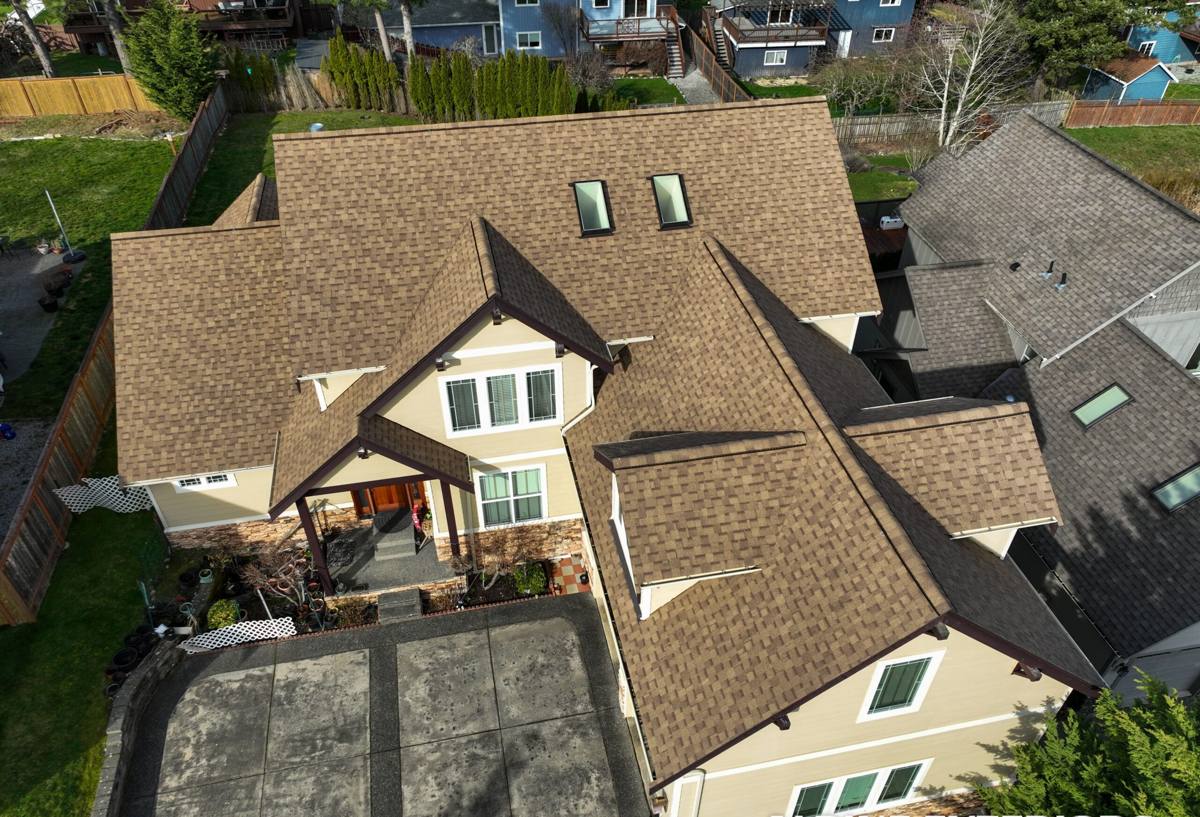
Wind, Rain, and Why Window Ratings Aren't Optional Here
Florida's building code sets minimum wind-load and impact requirements for window replacement, and Pinellas County enforces those requirements at permitting. That's not paperwork for its own sake — it reflects real, repeated experience with what happens to unrated windows in a storm. Two things fail a window during a hurricane-force event: the glass breaking from wind-borne debris, and the frame losing its grip on the wall from pressure changes once a window does fail somewhere else in the house. A rated impact window addresses both, and it also cuts down on the wind-driven rain that finds its way through older, looser-fitting frames during a normal summer downpour.
What "Impact-Rated" Actually Means
An impact-rated window uses laminated glass — two panes bonded to an interlayer — set into a frame that's been tested to hold up under large-missile impact and cyclical pressure testing. If the outer pane cracks, the interlayer keeps the opening covered rather than leaving a hole for wind and water to pour through. That's the mechanism, not marketing language, and it's why impact glass is treated differently in code than standard dual-pane units.
Salt Air and Frame Material
Salt air doesn't just affect homes directly on the water — it travels well inland on the wind, and a neighborhood like Pinellas Point, close to the bay, gets a steady dose of it year-round. Salt accelerates corrosion on any exposed metal, which is why frame material matters as much as glass rating. Vinyl and properly finished aluminum both hold up well when installed correctly; the failure point is almost always at fasteners, hardware, and any spot where the protective finish has been compromised during installation or by age. We pay attention to hardware grade and flashing detail for exactly this reason — it's the difference between a window that looks fine for five years and one that looks fine for twenty.
UV Exposure and Frame Life
Central Florida sun is intense for most of the year, and UV breaks down seals, gaskets, and certain frame finishes faster here than it would in a milder climate. Low-E glass coatings help on the energy side by blocking a portion of solar heat gain, which matters for cooling costs in a house that runs air conditioning nine or ten months a year. But the frame and seal materials matter just as much for longevity — a good low-E package installed in a frame with poor UV resistance is still going to show wear early.
How This Connects to the Rest of the Exterior
Windows don't fail in isolation. We handle siding, roofing, decks, and windows because on a coastal property they're one connected system. A roof with wind-damaged flashing lets water track down behind siding and eventually into a window opening. Siding that's lost its seal at a window frame lets wind-driven rain behind the wall. A deck built without attention to fastener corrosion near a waterfront lot fails the same way an aluminum window frame does — salt attacking metal that wasn't spec'd for the exposure. Treating the exterior as separate, unrelated projects is how homeowners end up paying for the same water intrusion problem twice, once as a window repair and again a year later as a rotted wall section.
Roofing and Window Timing
If a roof is near the end of its service life, it's worth sequencing that work before or alongside a window project rather than after. Water finds the path of least resistance, and a compromised roof edge near a window head is a common source of leaks that get blamed on the window when the window was never the actual problem.
Comparing Window Options for a Coastal St. Petersburg Home
| Factor | Standard Dual-Pane | Impact-Rated Laminated |
|---|---|---|
| Code compliance in wind-borne debris areas | Requires separate shutters or panels | Meets requirement without added hardware |
| Storm prep | Manual shutter installation before every storm | No prep required at the window |
| Break-in resistance | Standard glass, lower resistance | Laminated interlayer resists penetration |
| UV and heat performance | Depends on coating package | Depends on coating package (similar options available) |
| Upfront cost | Lower | Higher, offset in some cases by insurance credits |
| Long-term storm damage risk | Higher if shutters aren't deployed in time | Lower, protection is built-in |
Neither option is wrong for every situation — a fully shuttered home with a reliable plan to deploy protection before every storm can still meet code with standard glass and separate shutters. Most homeowners choose impact glass because it removes the dependency on remembering to act before a storm arrives, which matters when a system can strengthen quickly in the Gulf with only a few days' notice.
Signs It's Time to Look at Window Replacement
- Visible fogging or moisture between panes, meaning the seal has failed
- Frames that are pitted, chalky, or corroded, especially aluminum near hardware points
- Windows that are difficult to open, close, or lock — a sign the frame has shifted or warped
- Drafts or a noticeable temperature difference near the window when the AC is running
- Water staining on the interior wall or sill below a window
- Rattling or whistling during windy conditions
- Single-pane glass in a home that hasn't been updated to current wind and impact standards
What an Honest Assessment Looks Like
When we look at a Pinellas Point home, we're checking frame condition window by window, not assuming every opening needs the same fix. Some windows on a house may be salvageable with resealing or hardware repair; others may be past the point where that makes sense. We'll also look at how the existing openings were flashed, because a window replacement done without correcting bad flashing just repeats the same leak in a new frame. Part of doing this right is being willing to tell a homeowner that a repair, not a full replacement, is the honest answer for a given window — that's a professional call, not an upsell.
Permitting in Pinellas County
Window replacement in this area typically requires a permit, and inspections confirm the installed product and installation method meet the wind-load and impact requirements for the location. A local crew that pulls permits routinely knows what inspectors are checking for and builds the installation to pass the first time, rather than treating the inspection as an afterthought.
Why a Local Crew Matters on a Job Like This
A crew that works across St. Petersburg and Pinellas County day to day has a working sense of which details matter most in this specific environment — how much flashing overlap is enough given the rain patterns here, which fastener grades hold up against the salt exposure near the water, and how homes in this part of the county were typically built so retrofits fit cleanly instead of looking bolted on. That local knowledge doesn't replace a careful, house-by-house assessment, but it does mean fewer surprises once work starts and a faster read on what a given home actually needs.
It also means being reachable after the job is done. Window and exterior work should hold up for years, and a local crew is the one that's still around and answering the phone if a question comes up well after installation — not a name that only shows up during hurricane season.
What to Expect From the Process
A typical window project starts with an on-site look at every opening being considered, a discussion of frame material and glass options suited to the home's exposure and budget, and a written scope before any work begins. Permitting follows, then installation, then a final inspection. Timelines shift with permit office volume and product lead times, especially for impact glass ordered to specific sizes, so we'll give a realistic range rather than a guess.
If you're weighing whether to repair, replace, or wait another season on windows in Pinellas Point, we're happy to walk the property with you and give a straight answer — including "these are fine for now" when that's the honest read. Reach out for a free, no-pressure estimate using the form below.