 St. Petersburg Window
 Why Coquina Key Homes Need Windows Built for This Environment
Coquina Key is a waterfront community on the south side of St. Petersburg, and homes here sit closer to open water and canals than almost anywhere else in Pinellas County. That location is part of what makes the neighborhood desirable, and it's also exactly why windows here take more abuse than windows a few miles inland. Salt air rides in off the water and settles on every exposed surface. Summer sun is intense and constant for most of the year. Storms bring wind-driven rain that gets pushed sideways into window frames instead of falling straight down. And when a hurricane or tropical storm comes through, wind loads on a home's window openings can be significant. Custom windows for a Coquina Key home aren't a luxury upgrade — they're the right response to the specific conditions this part of St. Petersburg deals with every year.
"Custom" in this context doesn't just mean a different shape or a bigger picture window. It means windows sized, framed, and installed to match what an individual home's openings, orientation, and exposure actually require — not a one-size-fits-all box pulled off a shelf.
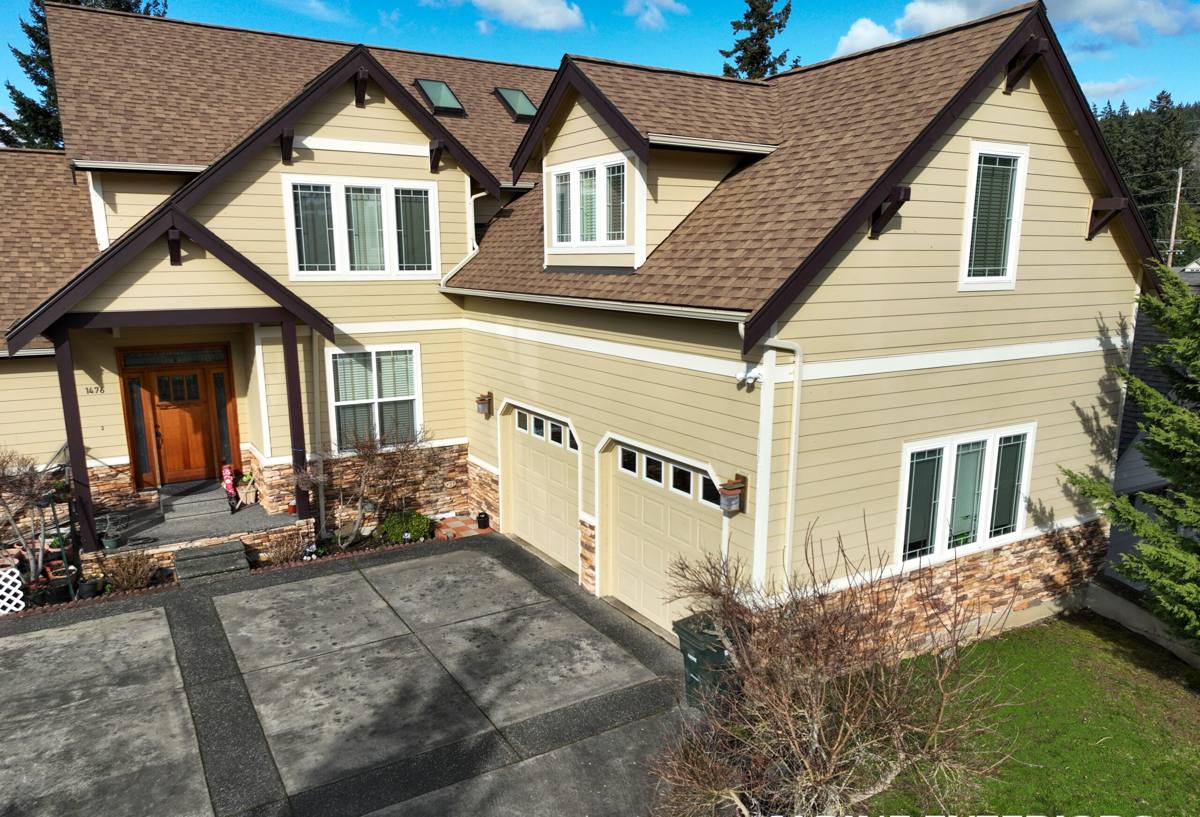
What the Climate Actually Does to Windows Near the Water
Salt Air and Corrosion
Salt in the air doesn't just affect boats and dock hardware. It settles into window tracks, screws, hinges, and locking mechanisms. Over years, lower-grade fasteners and hardware corrode, tracks bind, and locks stop seating properly. This happens faster on canal-front and open-water lots than it does even a short distance inland, which is a big part of why we spec corrosion-resistant hardware as a baseline for this neighborhood rather than an upgrade option.
UV Exposure and Frame Breakdown
Florida sun is hard on materials year-round, not just in summer. Cheaper vinyl and lower-grade seals can chalk, discolor, or go brittle years before they would in a milder climate. Glass coatings matter too — the wrong glass package lets in heat and UV that fade flooring, furniture, and window treatments from the inside out.
Wind-Driven Rain
During tropical systems and even routine summer storms, rain in this area rarely falls straight down — it's pushed by wind, often sideways into the building envelope. A window that's watertight in a light rain can still leak under wind-driven rain if the flashing, sealant, and drainage details around it weren't done correctly. Most water intrusion problems we see aren't a bad window — they're a window that was installed without accounting for how water actually moves during a Gulf Coast storm.
Storm Wind Loads
Pinellas County and the City of St. Petersburg require windows to meet Florida Building Code wind-load and, in many cases, impact-resistance standards for this coastal region. On a canal-front or open-water lot like much of Coquina Key, wind exposure is a real factor in what code requires and what actually holds up — this isn't a box to check for a permit, it's what keeps glass in the frame and water out of the house during a real event.
What a Correct Custom Window Job Involves
A proper custom window installation is mostly decided before a single window ever gets set. The parts that matter most are the ones a homeowner can't easily see once the job is finished:
- Accurate measurement of each opening — older Florida homes are rarely perfectly square, and a custom window has to be built to the actual opening, not an assumed standard size.
- Rough opening inspection and prep — checking the framing and existing water management behind the old window before anything new goes in.
- Correct flashing and sealant sequencing — installed in the right order, with the right materials, so water is directed out and away rather than trapped behind the new frame.
- Structural attachment sized to wind load — the right fasteners, in the right pattern, into solid framing, not just enough screws to hold the window in place.
- Glass and frame package matched to exposure — impact-rated or code-required glazing where the location and code call for it, with hardware and finishes suited to salt air.
- Interior and exterior finish work — trim, caulking, and paint-ready surfaces that look finished, not patched.
Skip or rush any one of these steps and the window itself can be a good product and the job can still fail — usually as a leak, a stuck sash, or corroded hardware within a few years instead of holding up for decades.
Framing and Glass Options: What Actually Fits This Neighborhood
There's no single "best" window for every home — it depends on the home's age, exposure, and the owner's budget and priorities. Here's how the common options actually compare for a waterfront St. Petersburg property:
| Option | Where It Fits Best | Trade-Offs to Know |
|---|---|---|
| Vinyl frame, impact glass | Most homes; good balance of cost, insulation, and low maintenance | Wide color/style range is more limited than aluminum; quality varies a lot by manufacturer |
| Aluminum frame, impact glass | Larger openings, more modern or architectural homes | Higher cost; needs quality finish and hardware to resist salt-air corrosion long-term |
| Impact-rated glass | Homes on open water or canal frontage, or where owners want permanent protection with no shutter routine | Higher upfront cost than non-impact glass plus separate shutters |
| Non-impact glass with code-rated shutters | Budget-conscious projects, secondary structures | Requires deploying shutters before every storm; ongoing maintenance on shutter hardware |
For most Coquina Key homes, especially those directly on a canal or with a clear line to open water, we lean toward impact-rated glass simply because it protects the opening at all times — no last-minute shutter routine, no plywood run to the hardware store when a storm is tracking toward the bay. But it's a real cost-versus-convenience decision, and we'll walk through it honestly based on your specific home and budget rather than defaulting to the most expensive option.
Our Process on Coquina Key Jobs
1. On-Site Assessment
We look at the actual openings, the existing framing, current window condition, and how exposed the home is to wind and water. This is also where we talk through priorities — storm protection, energy performance, noise reduction, or simply replacing windows that are failing.
2. Measurement and Product Selection
Every opening gets measured individually. We help you choose frame material, glass package, and hardware finish based on your home's exposure and your budget, not a default package.
3. Permitting
Window replacement in the City of St. Petersburg and unincorporated Pinellas County requires permits, and impact-rated or wind-load-rated products need to be documented as meeting code for this location. We handle this as part of the job rather than leaving it to the homeowner.
4. Installation
Old windows come out, openings get inspected and prepped, flashing and sealant go in correctly, and new windows are set, shimmed, fastened to spec, and finished inside and out.
5. Walkthrough and Cleanup
We walk every window with you before we consider the job done — operation, locks, and finish work — and we don't leave debris or materials behind.
Why a Crew That Already Works Coquina Key Matters
Window installation isn't identical from one Pinellas County neighborhood to the next. A crew that regularly works Coquina Key already knows the kinds of homes here, the typical opening sizes and framing quirks of the era they were built in, and how exposed a given lot is depending on how close it sits to a canal or open water. That familiarity shows up in small but real ways — fewer surprises once demo starts, more accurate initial quotes, and a better sense of which glass and frame combinations actually hold up on this specific stretch of the Gulf Coast versus a few miles inland.
It also matters for scheduling. Storm season affects when material can ship, when permits move, and when it makes sense to start a job versus wait a couple of weeks. A crew that works this area continuously builds that timing into how jobs get planned, instead of learning it project by project.
Maintenance That Actually Matters in a Salt-Air Environment
Even a correctly installed custom window benefits from basic upkeep in this environment. This isn't a demanding routine — it's a short list that prevents the most common problems we see:
- Rinse frames and tracks with fresh water periodically to clear salt buildup, especially on homes closest to the canal or open water.
- Keep weep holes (the small drainage openings along the bottom of the frame) clear of debris so water can drain out instead of pooling.
- Check and lightly lubricate locks and hardware annually — salt air is harder on moving metal parts than almost anything else in the house.
- Inspect exterior caulking and sealant once a year and have gaps addressed before they turn into a leak.
- Before hurricane season, confirm shutters (if you have them instead of impact glass) still deploy easily and hardware isn't seized.
What to Ask Before You Hire Anyone for This Job
Because a window job's quality mostly comes down to details you can't see after the fact, it's worth vetting a contractor before work starts rather than after:
- Are you licensed to do this work in Florida, and can you provide proof of insurance?
- Will you pull the required permit with the City of St. Petersburg or Pinellas County, or is that left to me?
- What wind-load and impact rating does the proposed window carry, and is that appropriate for my home's exposure?
- What's the warranty structure — on the product itself, and separately on your installation labor?
- Can you walk me through how flashing and drainage will be handled at each opening, not just "we'll seal it up"?
Any contractor who's genuinely done this work in the area should be able to answer all five without hesitation.
If you're weighing custom windows for a Coquina Key home, we're happy to take a look, measure your openings, and give you a straight, no-pressure estimate — free of charge and with no obligation. Use the form below to get started.