 St. Petersburg Window
 Building a Deck That Actually Holds Up in Disston Heights
A deck in the Disston Heights area of St. Petersburg lives outdoors twelve months a year, and Pinellas County doesn't give outdoor structures an easy ride. Between hurricane-force wind events, intense year-round UV exposure, wind-driven rain that finds its way into every gap, and salt-laden air drifting in off the Gulf and Tampa Bay, a deck built to a generic national spec starts showing problems fast — cupped boards, rusted fasteners, loose railings, soft framing. A deck built for this specific climate is a different job from the start: different fastener grades, different footing depth, different board spacing, different finish schedule.
This page covers what a deck actually needs to survive and perform in a St. Petersburg backyard, what our process looks like, and why local experience on jobs like these matters more than it might seem.
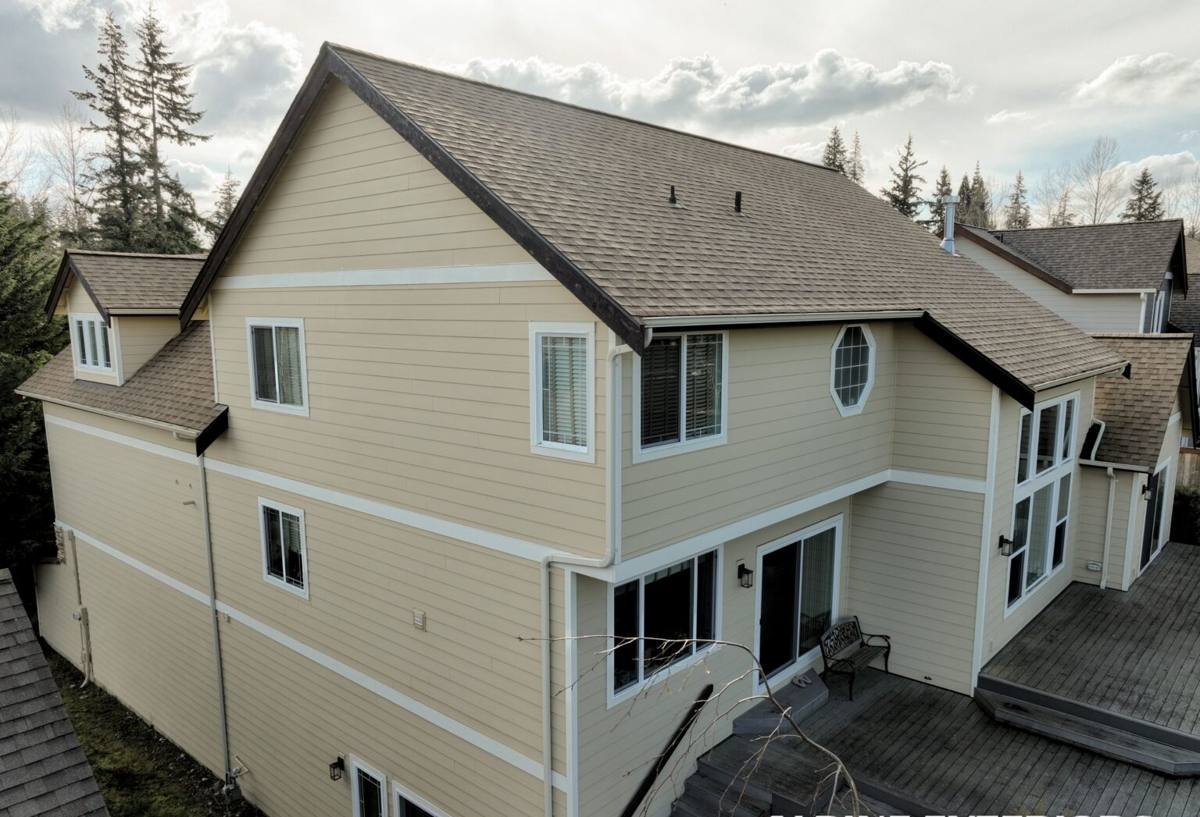
What Local Conditions Actually Do to a Deck
Sun and UV
Florida sun is relentless on exposed wood and composite decking alike. Untreated or poorly finished wood grays, checks, and splinters within a couple of seasons. Composite and PVC boards fade unevenly if the capstock or color pigment is low-grade, and dark-colored decking can get hot enough underfoot to matter for bare feet and pets in peak summer.
Wind-Driven Rain and Humidity
Rain here rarely falls straight down. It drives sideways during storms and finds horizontal ledger boards, fastener heads, and end grain that a drier climate would never stress-test. Combined with year-round humidity, any spot where water can sit — a poorly flashed ledger, a board laid tight with no drainage gap — becomes a rot or corrosion starting point.
Salt Air
St. Petersburg sits between the Gulf of Mexico and Tampa Bay, and salt air travels further inland than most homeowners expect. Standard zinc-coated fasteners and hardware corrode faster here than in inland climates, which is why fastener spec is not a place to cut costs on a coastal-county build.
Wind Load
Pinellas County sees real hurricane risk, and an under-built deck — undersized footings, thin ledger attachment, light-gauge hardware — is a liability in a named storm, both for the structure itself and for anything it's attached to on the house.
What a Correctly Built Deck Involves Here
A deck that's built right for this climate isn't more complicated than a generic build — it just gets the details that matter locally taken seriously instead of skipped.
- Footings sized and set to local frost-free, high-water-table soil conditions, not a one-size-fits-all depth
- Ledger board properly flashed and lagged into the home's structure, never just nailed to siding
- Stainless steel or hot-dip galvanized (coastal-rated) fasteners and structural hardware, not standard-coated screws that will bleed rust within a year or two near the coast
- Joist spacing tightened up for composite decking, since composite spans differently than wood and manufacturers spec it accordingly
- A drainage gap between boards so wind-driven rain doesn't pool and wick into end grain
- Railing posts through-bolted to framing, not toe-screwed, so they hold under lateral load
- Any wood framing rated for ground contact or treated appropriately for our humidity, with end cuts field-sealed
Decking Material Comparison
The board you choose affects how much maintenance the deck asks of you for the next 15-20 years. Here's how the common options actually perform in a St. Petersburg backyard.
| Material | UV/Fade Behavior | Moisture & Salt Air Behavior | Maintenance |
|---|---|---|---|
| Pressure-treated pine | Grays and checks without regular finish upkeep | Prone to splintering and warping if not sealed; least forgiving near salt air | Needs cleaning and re-sealing every 1-2 years |
| Tropical hardwood (e.g. ipe-type) | Fades to gray over time unless oiled regularly | Naturally dense and rot-resistant, holds up well to humidity | Annual oiling to keep color; low rot risk if skipped |
| Capped composite | Best fade resistance of common options with a quality capstock | Doesn't absorb moisture or support rot; hardware is the weak point, not the board | Occasional washing, no sealing or staining |
| Uncapped/older composite | Fades and can chalk faster than capped versions | Can absorb some moisture over time depending on formulation | More cleaning to prevent mold/mildew buildup in humidity |
| PVC decking | Very stable color, resists fading well | Fully moisture-resistant, no rot risk | Lowest maintenance; higher upfront cost |
We don't push one material on every homeowner. Wood costs less up front but asks for more of your time; composite and PVC cost more up front and ask for almost none. What we won't do is install a board or fastener package that's undersized or under-rated for coastal Pinellas County conditions just because it's cheaper — that trade-off shows up as a warranty claim or a rebuild in a few years, and we'd rather be honest about that at the estimate stage.
Our Deck Building Process
1. On-Site Assessment
We walk the yard, look at drainage, sun exposure, existing structure attachment points (if it's a replacement or extension), and talk through how you actually plan to use the space — dining, grilling, a pool deck, shade needs.
2. Design and Material Selection
We lay out size, footing plan, railing style, and board choice, and walk you through the honest cost and maintenance trade-offs for each material option rather than just quoting the cheapest one.
3. Permitting
Deck construction in St. Petersburg and unincorporated Pinellas County generally requires a permit and inspection, especially for anything attached to the home or above a certain height. We handle the permit submission and coordinate inspections so you're not chasing paperwork.
4. Framing and Footings
Footings go in first, sized for the load and our local soil, followed by ledger attachment and framing with coastal-rated hardware throughout.
5. Decking, Railing, and Finish
Boards go down with proper spacing and fastening, railings are through-bolted, and any wood elements get sealed before the job is called done.
6. Final Walkthrough and Inspection
We walk the finished deck with you, confirm it passes final inspection, and go over any maintenance the specific material you chose will need going forward.
Permits and Code in Pinellas County
Most new decks and significant deck rebuilds in the St. Petersburg area require a building permit, and inspections happen at the footing stage and again at completion. Requirements can shift based on deck height, whether it's attached to the house, and railing height once you're above a certain elevation. Skipping the permit is not a shortcut worth taking — it can complicate a home sale later and, more importantly, an uninspected footing or ledger attachment is exactly the kind of thing that fails in a wind event. We pull the permit as part of the job rather than leaving it to you.
Cost Factors
Every deck is priced around its own footprint, material, and site conditions, so we won't put a number on the page that doesn't apply to your yard — but these are the variables that move the price up or down.
| Factor | Effect on Cost |
|---|---|
| Size and footprint | Larger square footage and multiple levels increase framing, footings, and board count |
| Decking material | Pressure-treated costs least up front; PVC and premium composite cost more but need less upkeep over time |
| Height off grade | Taller decks need deeper footings, stairs, and code-driven railing heights |
| Attachment vs. freestanding | Ledger-attached decks require flashing and structural tie-in work; freestanding decks add extra footings instead |
| Railing style | Cable, glass, or custom railing systems cost more than standard baluster railing |
| Site access | Tight side yards or fenced lots can add labor time for material staging |
Keeping a Deck Working in This Climate
Whatever material you choose, a little regular attention keeps a Disston Heights deck performing for decades instead of years.
- Rinse off salt residue, pollen, and organic debris every few weeks, more often near the coast
- Check railing posts and stair stringers for looseness once or twice a year, especially after storm season
- Keep gutters and downspouts near the deck clear so runoff isn't dumping directly onto framing
- Re-seal or re-oil wood decking on the schedule the product calls for — don't wait until it's already gray and dry
- Look underneath the deck occasionally for standing water, soft framing, or fastener corrosion
- After a named storm, walk the deck and check railings and stairs before putting weight on them
Why Hiring a Crew That Already Works This Area Matters
A contractor who builds decks across different climates might not default to coastal-rated fasteners, might size footings to a generic code minimum instead of what our soil and wind exposure actually call for, or might not know the current Pinellas County permitting process off the top of their head. None of that shows up as a problem on day one — it shows up two or three years in, as rust streaks around every screw head, a railing that's gone loose, or boards that have started to cup.
A crew that regularly builds and repairs decks in the St. Petersburg area already knows which fastener grade doesn't hold up near the bay, which footing depth actually works in our soil, and what the local permitting office wants to see before it signs off. That's not marketing — it's the difference between a deck that needs real attention in year three and one that's still solid well past year ten.
If you're planning a new deck or need an existing one assessed in the Disston Heights area, we're happy to take a look and put together a straightforward, no-pressure estimate. Fill out the form below to get started.