 St. Petersburg Window
 Coquina Key's Waterfront Location Is Hard on Roofs
Coquina Key sits on the water on the south side of St. Petersburg, with canal frontage running through most of the neighborhood. That's a great spot to live, but it's a tough spot for a roof. Homes here take on salt-laden air almost every day, get full, unshaded sun exposure off the open water, and sit directly in the path of whatever tropical system moves through the Tampa Bay area each hurricane season. None of that is unique to one street or one block — it's the baseline for anyone roofing this part of Pinellas County, and it's why a roof that would hold up fine forty miles inland can fail early here.
Four things do most of the damage over time:
- Hurricane-force and tropical-storm-force wind: uplift at the eaves, ridge, and rake edges is where most wind failures start, especially on older roofs with outdated fastening.
- Intense, near-constant UV: Florida sun breaks down shingle asphalt and granules, tile coatings, and sealants faster than in most of the country.
- Wind-driven rain: during storms, rain doesn't just fall — it's pushed sideways and up under laps, ridges, and flashing that aren't detailed correctly.
- Salt air corrosion: fasteners, flashing, vent stacks, and any exposed metal corrode faster this close to the water than they would even a few miles away.
A roof installed correctly for these conditions looks a little different, on paper and in the field, than a roof installed for a mild climate. That's the standard we hold every Coquina Key job to.
Signs a Coquina Key Roof Is Due for Replacement
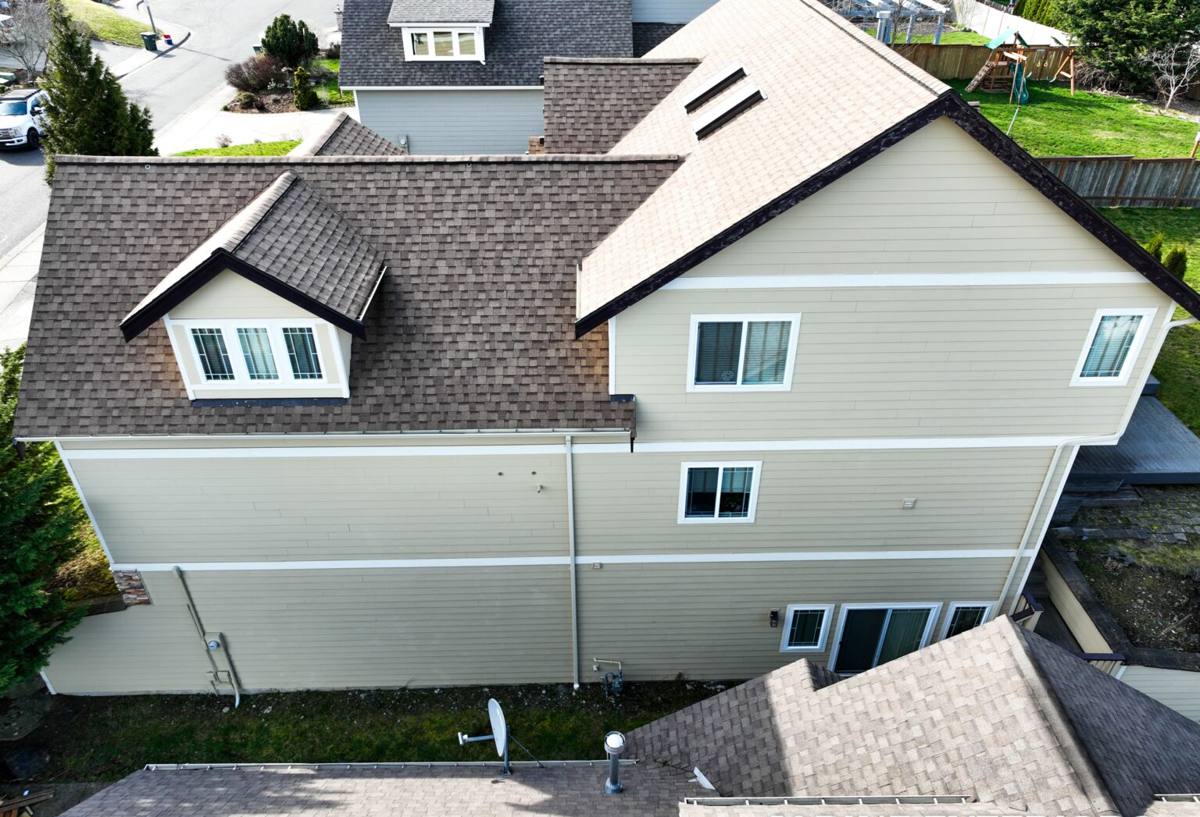
Repairs make sense for isolated damage. A full new roof makes sense once the roofing system as a whole is past the point where patching keeps up with new problems. Common signs we see on homes in this neighborhood:
- Shingles that are cupping, curling, or losing granules in patches — usually worse on the sides that face the water and get the most direct afternoon sun
- Soft spots or sagging in the decking, especially near valleys, chimneys, or old plumbing vents
- Repeated leaks in the same area even after prior repairs
- Visible rust streaking from nail heads, flashing, or metal vents
- Missing, lifted, or cracked ridge caps after any windy weather, not just named storms
- A roof that's approaching or past its material's realistic service life, especially if it predates current wind-rated fastening standards
- Interior water stains, musty attic odor, or visible daylight through the roof deck
If your roof is showing two or three of these at once, that's usually a sign the underlayment and decking are aging out along with the surface material, even if the shingles or tiles still look okay from the ground.
What a Correct New Roof Installation Involves
Full Tear-Off and Deck Inspection
We don't install new roofing over old. A full tear-off lets us inspect the actual plywood or OSB deck underneath — the part that does the real structural work of holding your roof together in wind. Any rotted, delaminated, or storm-softened decking gets replaced before anything new goes down. Skipping this step is one of the most common shortcuts in the industry, and it's the reason some "new" roofs fail years before they should.
Moisture Barrier and Underlayment
Given how much wind-driven rain this area sees, the underlayment layer matters as much as the visible roofing material. We use a synthetic or self-adhering underlayment system appropriate to the roof type, with sealed laps and extra attention at valleys, so wind-driven rain that gets past the surface layer still can't reach the deck.
Flashing and Penetration Detailing
Chimneys, plumbing vents, skylights, and wall-to-roof transitions are where most leaks actually originate — not the open field of the roof. We install new flashing at every penetration and transition rather than reusing old flashing, since salt-air corrosion and UV embrittlement both shorten flashing life faster here than inland.
Fastening and Wind Resistance
Fastening pattern and fastener type are what separate a roof that survives a tropical storm from one that doesn't. We follow current Florida Building Code wind-uplift requirements for the specific product installed, with correct nail placement, count, and starter-course detailing at the eaves and rakes — the edges where uplift begins.
Ventilation
A hot, poorly ventilated attic bakes shingles from underneath and shortens their life regardless of surface quality. Balanced intake and exhaust ventilation keeps attic temperatures and moisture in check, which matters even more here given how much direct sun this area gets for most of the year.
Roofing Material Options
There's no single "best" roofing material for every home — it depends on your roof structure, budget, and how long you want to go before the next replacement. Here's how the common options compare for a waterfront Pinellas County property:
| Material | Wind performance | UV/heat durability | Typical lifespan | Maintenance |
|---|---|---|---|---|
| Architectural asphalt shingle | Good, with correct fastening and rated products | Moderate — gradual granule loss over time | 15–25 years | Low; periodic inspection |
| Standing seam metal | Excellent when properly fastened | Very good; reflects heat | 30–50 years | Low; watch fastener/sealant points |
| Concrete or clay tile | Good when properly fastened to code; individual tiles can crack from debris impact | Excellent — color is baked in, not coated | 30–50+ years | Moderate; occasional tile replacement |
We'll walk through the honest trade-offs of each for your specific roof — including how your existing structure and rafter spacing affect what's practical — rather than pushing one product across every home.
Permits, Code, and Wind Mitigation
Any full roof replacement in St. Petersburg requires a building permit, and the work has to meet current Florida Building Code wind-uplift and fastening requirements for our wind zone — not the code your roof was originally built under, which may be decades old. We handle the permit application and schedule the required inspections as part of the job; that's not an optional add-on.
A new roof, installed to current code with documented compliant materials, also qualifies most homeowners for a wind mitigation inspection afterward. That inspection can lower your windstorm insurance premium, sometimes significantly, since insurers price risk based on roof age, shape, and fastening. We provide the documentation you'll need to have that inspection done once your new roof is complete.
Our Installation Process
- On-site inspection and estimate. We assess your current roof, attic ventilation, and any problem areas, and give you a written estimate with material options.
- Material selection. We go over the trade-offs above in the context of your home and budget so you pick a product you'll be happy with in year one and year fifteen.
- Permitting. We pull the required City of St. Petersburg permit and schedule inspections before work begins.
- Tear-off and deck inspection. Old roofing comes off completely; any compromised decking is identified and replaced.
- Underlayment, flashing, and installation. Moisture barrier, flashing, and the new roofing material go on to current wind-uplift specifications.
- Cleanup and final walkthrough. Site is cleared of debris and nails (we run magnetic sweeps), and we walk the finished roof with you.
- Final inspection. The permitted work is signed off by the city inspector.
What Drives the Cost of a New Roof
Every roof is priced individually, but the same handful of factors move the number up or down on nearly every job we quote in this area:
| Factor | Why it matters |
|---|---|
| Roof size and complexity (valleys, hips, dormers) | More cuts, flashing, and labor time |
| Material chosen | Asphalt, metal, and tile carry very different material and labor costs |
| Number of existing layers to remove | Multiple tear-off layers add disposal and labor cost |
| Deck condition | Rotted or storm-damaged plywood/OSB needs replacement before installation |
| Access and pitch | Steep or hard-to-access roofs require more safety setup and time |
| Ventilation and flashing upgrades | Bringing older ventilation and flashing up to current standards adds material and labor |
We give a firm, itemized estimate after the on-site inspection — not a phone-quote guess — so you know exactly what you're paying for before any work starts.
Why a Crew That Already Works Coquina Key Matters
Coquina Key isn't a typical inland subdivision. The canal-front lots, the salt exposure, and the age of much of the existing housing stock here mean a roofer who mostly works drier, inland neighborhoods can miss things that matter — under-specced flashing for salt exposure, ventilation that doesn't account for the extra heat load off open water, or fastening that meets code on paper but not the realistic wind exposure of a waterfront lot. A crew that's done this work in the neighborhood before knows to check those things without being asked, knows the permitting process at the City of St. Petersburg, and can spot the difference between a cosmetic issue and a structural one at a glance.
Caring for a New Roof in This Climate
A correctly installed roof still needs basic upkeep to hit its full expected lifespan in a salt-air, high-UV environment:
- Rinse accumulated salt residue and debris off the roof surface periodically, especially after long dry stretches
- Keep gutters and downspouts clear so water sheds properly during heavy rain
- Trim back overhanging branches that drop debris or hold moisture against the roof
- Have the roof visually inspected after any major named storm, even if you don't see obvious damage from the ground
- Address small flashing or sealant issues promptly — they're inexpensive to fix early and expensive once they've caused deck damage
If you're weighing a repair against a full replacement, or you just want an honest read on where your current roof stands, we're happy to take a look. Request a free, no-pressure estimate using the form below and we'll walk you through your options for your Coquina Key home.