 St. Petersburg Window
 Decks Built for Old Northeast's Climate, Not Just Its Look
Old Northeast is one of the more distinctive neighborhoods in St. Petersburg — older homes, mature tree canopy, and lots that were laid out long before anyone was thinking about hurricane load ratings or UV-stabilized fasteners. A custom deck here has to do two jobs at once: fit the character of the house and street, and hold up to a Pinellas County climate that is genuinely hard on outdoor structures. Hurricane-force winds, intense year-round UV, wind-driven rain, and salt air off Tampa Bay all take their toll on wood, hardware, and finishes faster than most homeowners expect. A deck that looks right the first year but was built with shortcuts underneath won't look — or perform — the same way in year five.
This page covers what actually goes into a correctly built custom deck for an Old Northeast property: the material choices that make sense here, the structural details that matter more in this climate than in drier, cooler parts of the country, how our process works from first visit to final walkthrough, and what to look for in any contractor you're considering for the job.
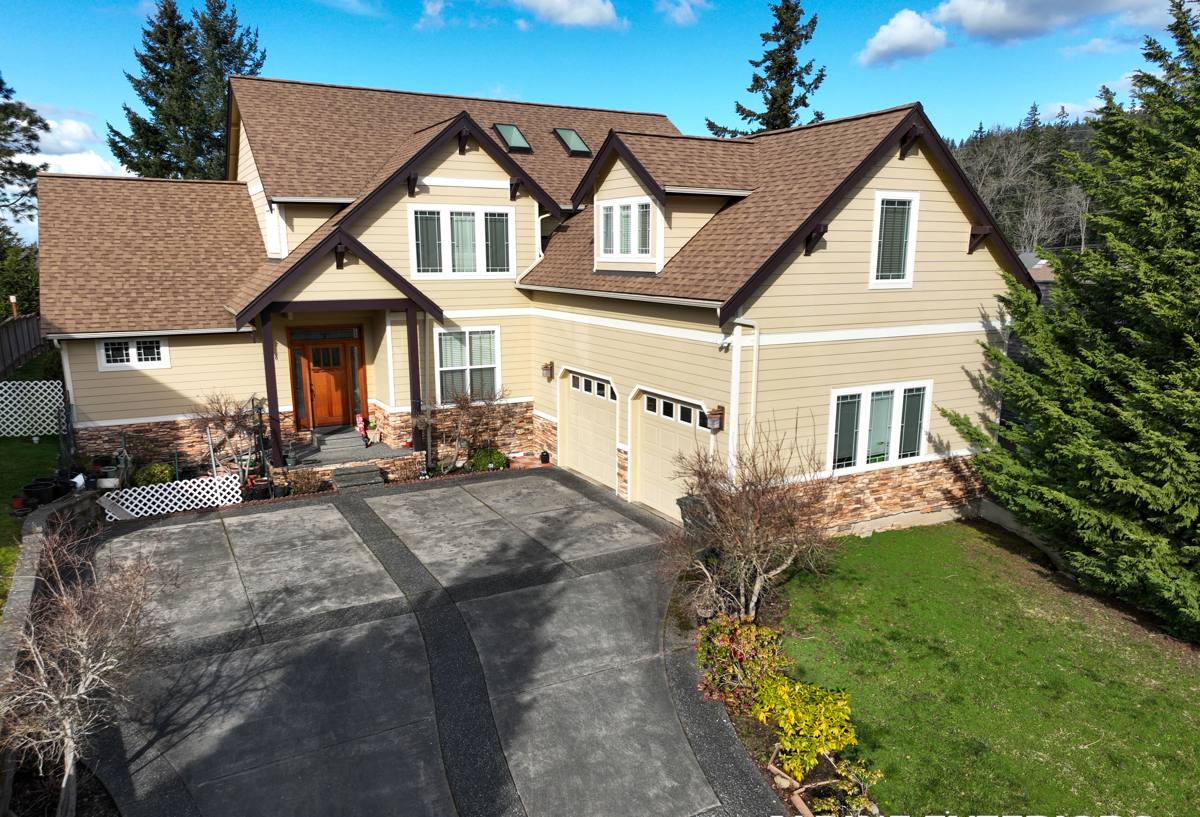
What Old Northeast Homes Need From a Custom Deck
Older Lots, Mature Trees, and Tight Access
Many Old Northeast properties sit on established lots with mature oak canopy, established landscaping, and less side-yard clearance than newer subdivisions. That affects deck planning in practical ways: how equipment gets to the backyard, how footings are dug around root systems without damaging a tree that took decades to grow, and how a new structure sits relative to existing shade patterns. A deck plan that works on a wide-open lot in a new development doesn't automatically translate to a shaded, established Old Northeast yard — the layout, drainage, and even the decking material choice often need to change.
Matching an Older Home's Character
Homes in this neighborhood tend to have real architectural character — bungalow, Mediterranean revival, and other older Florida styles are common. A deck that looks generic or overly modern can stick out. We design railing profiles, post details, and decking layout to complement the house rather than compete with it, while still meeting current code, which older original construction often predates.
Choosing the Right Decking Material for This Climate
Every decking material sold today will look good in a showroom. Very few are actually specified with Gulf Coast sun, humidity, and salt air in mind. Here's how the common options actually perform in a St. Petersburg backyard over the long run.
| Material | Sun/UV Behavior | Moisture & Salt Air | Maintenance |
|---|---|---|---|
| Pressure-treated pine | Fades and can check/crack under year-round UV without regular sealing | Absorbs moisture; needs a quality sealant to resist wind-driven rain and humidity swelling | Annual cleaning and re-sealing recommended |
| Tropical hardwood (e.g., ipe) | Very UV-resistant when oiled; grays naturally if left untreated | Dense, naturally moisture-resistant; handles salt air well | Periodic oiling to maintain color; low rot risk |
| Capped composite | Fade-resistant cap layer; some uncapped edges can still show wear | Won't absorb moisture like wood; performs well near salt air | Occasional washing; no sealing or staining |
| PVC decking | Highly UV- and fade-resistant; won't rot or absorb water | Excellent in humid, salt-exposed environments | Lowest maintenance; higher upfront cost |
We don't push one product line as a rule. Pressure-treated wood still makes sense on a budget if you're willing to keep up with sealing on a real schedule; composite and PVC cost more up front but trade ongoing maintenance for consistent long-term performance in exactly the conditions that wear a deck out fastest here — sun, humidity, and salt exposure. We'll walk through the honest trade-offs for your specific yard and budget rather than steering you toward whatever has the best margin.
Framing and Structure: What's Under the Boards Matters More Than the Boards
Footings and Post Bases
Florida's sandy soil and high water table mean footing depth and post-base hardware aren't places to cut corners. We set footings to local code depth and use post bases that keep wood off standing water and away from direct soil contact — the single biggest driver of premature rot in this climate isn't the sun, it's ground moisture wicking up into untreated end grain.
Fasteners and Hardware
Standard galvanized fasteners corrode faster near the coast than most homeowners realize, and a corroded joist hanger or ledger bolt is a structural problem, not a cosmetic one. We use stainless or coated fasteners rated for coastal and treated-lumber contact, and we flash ledger connections properly so wind-driven rain can't get behind the ledger board and rot the house's rim joist from the inside out.
Building for Wind
Pinellas County sits in a wind zone where storm-force gusts are a real design consideration, not a hypothetical one. Railing posts, guardrail connections, and ledger attachment all get sized and fastened with that in mind — a deck that's only built to minimum aesthetic standards can rack or loosen under sustained wind load well before it fails outright.
Permits and Local Code
Deck permitting in St. Petersburg follows Florida Building Code requirements, and most custom decks over a certain height or attached to the house will require a permit and inspection. If your home is in a designated historic district or has architectural guidelines through the neighborhood association, it's worth checking those requirements before finalizing a design — older neighborhoods sometimes have review steps that newer subdivisions don't. We handle the permit application and inspection scheduling as part of the job so you're not the one chasing down city paperwork.
Our Process, Start to Finish
- On-site consultation. We walk the yard, look at drainage, tree placement, sun exposure, and how the deck will connect to the house, and talk through what you actually want to use the space for.
- Design and material selection. We put together a layout and go through decking, railing, and finish options with real pricing, not placeholder numbers.
- Permit and engineering. We prepare and submit what the city requires, including any structural details needed for larger or elevated decks.
- Site prep and framing. Footings, posts, beams, and joists go in first, built to hold up under Florida wind and moisture conditions — this is the stage that determines how the deck performs in year ten, not just year one.
- Decking, railing, and finish work. Boards, railings, stairs, and any built-ins go in, with attention to fastener spacing and expansion gaps appropriate to the material.
- Final inspection and walkthrough. We schedule the city inspection and walk the finished deck with you before calling the job done.
Maintenance: Keeping It Right Through St. Petersburg Summers
No decking material is truly maintenance-free in this climate — some just need less than others. A little consistency goes a long way toward avoiding a full refinish or early board replacement.
- Rinse off salt residue, pollen, and organic debris every few weeks, especially after storms
- Check and re-tighten hardware annually — humidity cycles can work fasteners loose over time
- Re-seal or re-oil wood decking on a real schedule, not "when it looks bad"
- Keep gutters and downspouts clear so runoff isn't dumping onto the deck surface
- Trim back overhanging branches to reduce standing moisture and debris buildup on the boards
- Inspect ledger flashing and post bases yearly for early signs of moisture intrusion
What Drives the Cost of a Custom Deck Here
Every yard is different, but a few factors consistently move the price on Old Northeast projects specifically.
| Cost Factor | Why It Matters Locally |
|---|---|
| Decking material | Pressure-treated pine costs less upfront; composite and PVC cost more but reduce maintenance over time |
| Site access | Narrower older lots and mature landscaping can add labor time for equipment and material staging |
| Elevation and stairs | Multi-level decks or homes with a raised first floor need more engineering, footing, and railing work |
| Permit complexity | Historic district or HOA review steps can add time to the front end of a project |
| Hardware and fastener grade | Coastal-rated stainless hardware costs more than standard galvanized but avoids early corrosion |
We give straight, itemized estimates rather than a single lump number, so you can see where the money is actually going and adjust the scope if needed.
Why Hiring a Crew That Already Works in Old Northeast Matters
A deck contractor who mostly builds in newer, wide-open subdivisions doesn't necessarily have practice working around mature oak root systems, tight side-yard access, or older homes where the original framing wasn't built to current code. Crews who already work regularly in Old Northeast and the surrounding St. Petersburg neighborhoods know what the local permitting office actually wants to see on a plan set, how to protect a homeowner's landscaping during construction, and what fastener and framing choices actually hold up given Pinellas County's combination of heat, humidity, and storm exposure. That local track record shows up in fewer surprises mid-project and a deck that's still solid well past the first hurricane season.
Questions Worth Asking Before You Hire Anyone
- Are you licensed and insured to work in Pinellas County, and can you provide proof?
- Will you handle the permit application and inspections, or is that on me?
- What fastener and hardware grade do you use for coastal exposure?
- How do you protect existing trees and landscaping during construction?
- Can you walk me through the footing and framing details before boards go on?
- What's the realistic maintenance schedule for the decking material we choose?
If a contractor can't answer those clearly, that's worth noting before you sign anything.
If you're planning a custom deck in Old Northeast or anywhere else in the St. Petersburg area, we're happy to walk your property, talk through material and design options honestly, and put together a free, no-pressure estimate. There's no obligation — just use the form below to get started.