 St. Petersburg Window
 Roof Repair in Coquina Key: What Local Homes Are Up Against
Coquina Key sits on a peninsula on the south side of St. Petersburg, surrounded by water on three sides. That location is part of what makes the neighborhood desirable, but it also means roofs here take a harder hit from the elements than roofs a few miles inland. Salt-laden air off Tampa Bay accelerates corrosion on metal flashing, fasteners, and vent stacks. Nearly year-round sun bakes shingles and breaks down roofing cement faster than manufacturers' lab tests would suggest. And when a summer storm or a tropical system rolls through, wind-driven rain finds every weak seam, nail pop, and lifted shingle edge on the roof.
Roof repair in this kind of environment isn't just about patching what's visibly broken. It's about understanding why that spot failed first, and whether the same conditions are quietly working on the rest of the roof. We've worked on homes throughout Coquina Key and the surrounding St. Petersburg canal neighborhoods, and the pattern is consistent: the sun and salt air do slow, steady damage everywhere, but the actual leaks tend to start at the same handful of weak points, over and over.
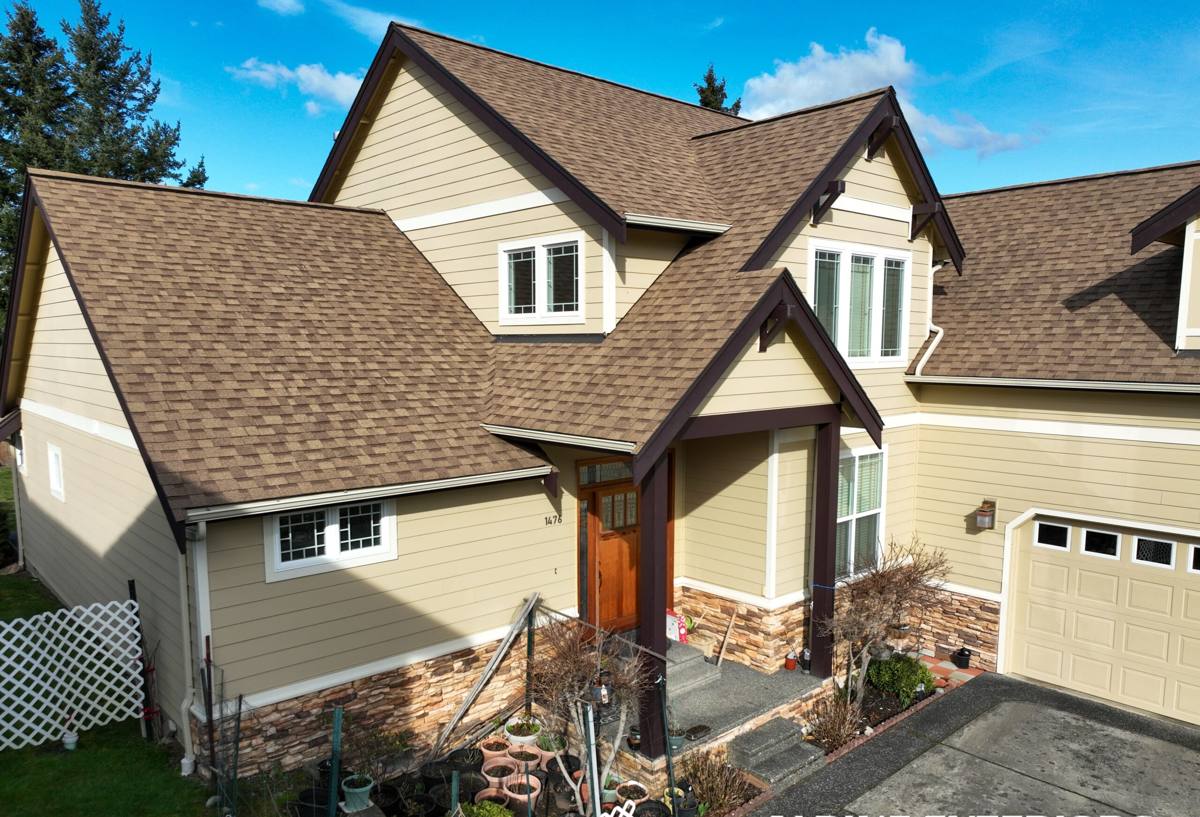
Where Coquina Key Roofs Actually Fail
Flashing and Penetrations
Most roof leaks don't start in the open field of shingles or tiles — they start where something interrupts the roof plane. Plumbing vent boots, chimney flashing, skylight curbs, and the step flashing where a roof meets a wall are the most common failure points we find on repair calls in this area. Rubber vent boot collars in particular have a limited lifespan in intense Florida sun; they crack and shrink years before the shingles around them show any wear.
Fasteners and Metal Components
Being surrounded by brackish water means airborne salt settles on everything, including roof-mounted metal. Exposed nail heads, drip edge, and older galvanized flashing corrode faster here than they would ten miles north away from the water. Once a fastener rusts and loses its grip, the shingle or tile it's holding starts to work loose in wind, and that's an opening for water.
Wind-Lifted Shingles and Tiles
Tropical storms and hurricane-force gusts don't need to strip a roof bare to cause damage. A single row of shingles with lifted tabs, or a few cracked or displaced tiles, is enough to let wind-driven rain get underneath the roofing material and onto the deck below. These spots are often invisible from the ground, which is why storm-damage roofs frequently look fine from the driveway while actively leaking in the attic.
Aging Roof Cement and Sealant
Pinellas County's UV exposure is intense for most of the year. Roofing cement and sealants that are rated for a certain service life elsewhere in the country tend to dry out, crack, and lose adhesion faster under this sun. Older repairs that relied heavily on sealant instead of proper flashing tend to be the first things to fail again.
What a Correct Roof Repair Actually Involves
A roof repair that's done right starts with figuring out where the water is actually getting in — which is not always directly above the stain on the ceiling. Water can travel along the underside of the deck or down a rafter before it shows up indoors, so tracing the real entry point matters more than patching the spot that's most convenient to reach.
- Inspect the suspected leak area from both the roof surface and, when accessible, the attic or interior side to confirm the actual path of water intrusion
- Check surrounding flashing, vent boots, and fasteners — not just the immediate damaged spot — since salt air and sun stress tends to affect an entire section at once
- Remove and replace damaged shingles, tiles, or underlayment rather than layering new material over compromised sections
- Reset or replace corroded fasteners and deteriorated flashing with new, properly lapped material — not just sealant over the old piece
- Confirm the roof deck underneath is dry and sound before closing the repair back up
- Match repair materials to the existing roof as closely as possible for both function and appearance
Sealant has its place, but it should reinforce a properly flashed and shingled repair, not substitute for one. A repair that's mostly caulk over a gap will usually need to be redone within a season or two, especially with the UV load this area gets.
Storm Damage vs. Wear-and-Tear Repair
Not every roof repair in Coquina Key follows a named storm. Plenty of leaks develop gradually from age, sun exposure, and salt corrosion with no single dramatic event to point to. The approach differs depending on which situation you're in, and it matters for documentation if insurance is involved.
| Factor | Storm/Wind Damage Repair | Gradual Wear Repair |
|---|---|---|
| Typical cause | High winds, wind-driven rain, debris impact | UV breakdown, salt-air corrosion, age of materials |
| Timing | Sudden — damage traceable to a specific storm event | Progressive — no single triggering event |
| Documentation needed | Photos, dated inspection, often required for insurance claims | Condition assessment, repair history if available |
| Common repair scope | Localized to the wind-affected section, but check the whole roof for hidden lifts | Often concentrated at flashing, penetrations, and sun-exposed slopes |
| Insurance relevance | May be covered depending on policy and cause of loss | Typically considered maintenance, generally not covered |
If you suspect storm damage, it's worth getting an inspection soon after the event — even minor lifted shingles that let water in gradually can turn into deck damage or interior leaks if left through the next few rain events.
Our Roof Repair Process
1. Inspection and Diagnosis
We start by walking the roof and, when needed, checking the attic side to trace the actual leak path. We look at the whole roof, not just the reported problem area, since sun and salt exposure tend to age an entire slope or section together.
2. Clear, Honest Scope
We explain what we found, what's causing it, and what it will take to fix it correctly — including if we think a small area is a symptom of a larger issue that's worth addressing now rather than repairing piecemeal every year.
3. The Repair
We remove and replace what's actually failed, tie new flashing and material in properly with the existing roof, and don't rely on sealant as a primary fix. We use materials suited to the coastal, high-UV conditions here rather than whatever is cheapest to source.
4. Cleanup and Verification
We clear debris and old material from the site and, where practical, verify the repair holds before we consider the job finished.
Why Hire a Crew That Already Works Coquina Key
Roofing crews unfamiliar with a coastal, salt-air environment sometimes use the same materials and methods they'd use on an inland roof in a milder climate. That approach tends to under-perform here — fasteners corrode sooner, sealants dry out faster, and repairs that would last a decade elsewhere need redoing in a few years. A crew that regularly works St. Petersburg roofs, including the water-adjacent neighborhoods like Coquina Key, knows to spec corrosion-resistant fasteners and flashing and to account for the UV load when choosing materials and repair methods.
Local familiarity also means faster response after storms, when demand for repairs spikes across Pinellas County and scheduling gets tight. Knowing the area's typical roof types, common construction details from different building eras, and the way local permitting works also keeps a repair project moving without avoidable delays.
When to Repair vs. When to Consider Replacement
Not every roof problem calls for a full replacement, and not every leak is fixable with a simple patch. A few honest signals help sort out which situation you're in:
- A single isolated leak on an otherwise sound, reasonably aged roof is usually a straightforward repair
- Multiple leak locations across different slopes often points to broader material fatigue, especially on an older roof
- Visible granule loss, widespread curling shingles, or extensive cracked tiles suggest the roofing material itself is past its useful life, not just the flashing around it
- Soft or spongy decking found during a repair means water intrusion has been ongoing longer than the visible symptoms suggested
- A roof nearing or past its expected service life may cost more to keep patching over a few years than to replace once
We'll always tell you plainly which category your roof falls into rather than defaulting to the more expensive recommendation.
Get a Straightforward Assessment
If you're dealing with a leak, storm damage, or just want a roof that's been through a Gulf Coast summer or two checked over before it becomes a bigger problem, we're glad to take a look. There's no pressure and no obligation — just an honest read on what's going on and what it would take to fix it. Use the form below to request a free estimate for your Coquina Key home.