 St. Petersburg Window
 Roofing in Childs Park Takes a Real Beating
Childs Park is an established St. Petersburg neighborhood with a lot of homes built decades ago, many of them on their second or third roof. That's not a coincidence. Pinellas County sits in one of the toughest roofing climates in the country: sustained UV exposure nearly every day of the year, wind-driven rain that finds its way in sideways during summer storms, salt-laden air moving in off Tampa Bay and the Gulf, and the ever-present risk of a hurricane or tropical system putting real wind load on every square foot of shingle, flashing, and fastener. A roof replacement here isn't just about swapping old material for new — it's about building an assembly that's actually matched to what this specific climate does to a house year after year.
We work in Childs Park regularly, and the roofs we see failing early almost always have the same story: a roof that was installed to a minimum standard rather than a Florida standard, or repaired one time too many instead of replaced when it should have been. This page walks through what a correct roof replacement looks like for this neighborhood, what we actually do on the job, and why hiring a crew that already knows the area's homes and code requirements matters more here than in a milder climate.
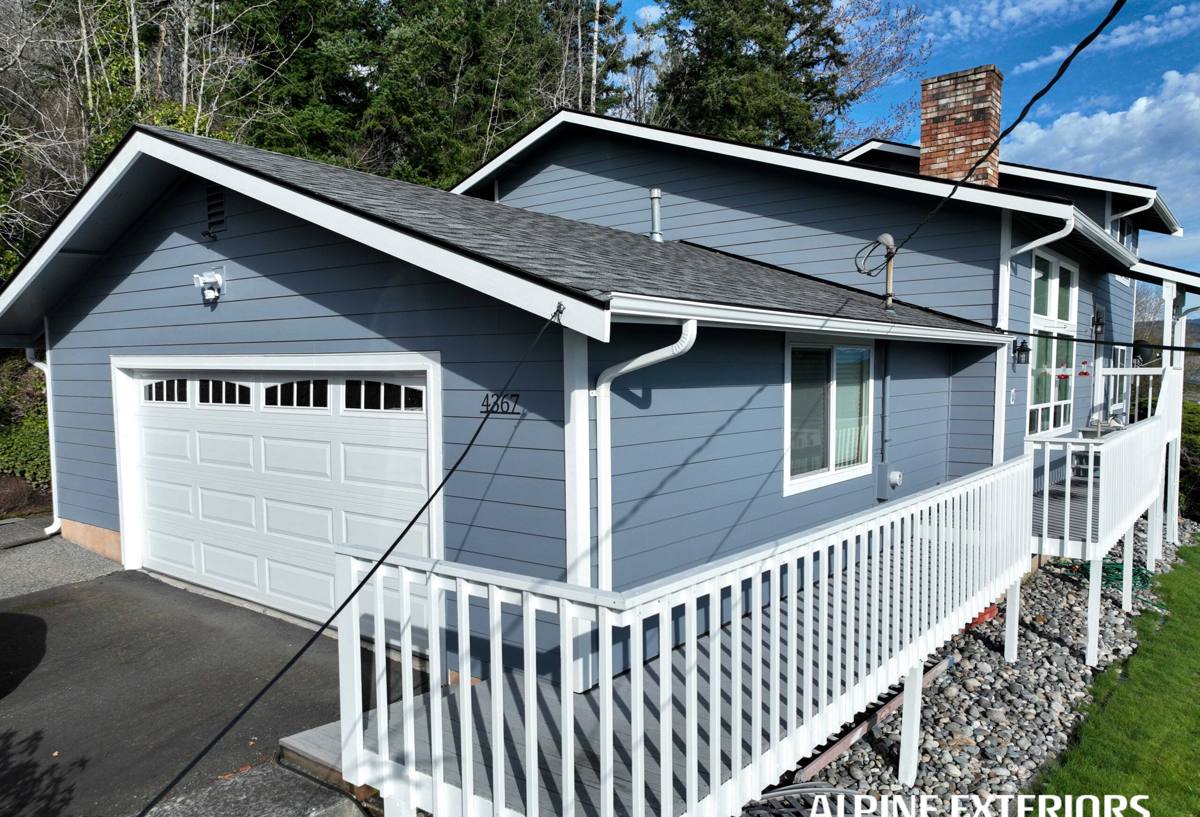
What This Climate Does to a Roof Over Time
Every roofing decision on a Childs Park home should account for four things that are constant in this part of Florida:
- UV exposure — near-daily direct sun breaks down asphalt oils and degrades sealants and adhesives faster than in northern climates, shortening the effective life of lower-grade shingles.
- Wind-driven rain — summer storms don't just fall straight down; wind pushes water sideways and up under poorly sealed edges, which is why flashing and underlayment detail matter as much as the shingle itself.
- Salt air — proximity to the bay accelerates corrosion on exposed metal fasteners, drip edge, and flashing if the wrong materials or finishes are used.
- Hurricane-force wind events — even homes that never take a direct hit still see repeated high-wind exposure over their lifetime, which is why fastening pattern and wind rating aren't optional extras — they're the difference between a roof that holds and one that doesn't.
None of this means a roof is doomed. It means the materials, fastening, and detailing have to be chosen for this environment specifically, not for a generic national spec sheet.
Signs a Childs Park Roof Needs Replacement, Not Another Repair
Repairs make sense for isolated damage. Replacement makes sense when the roof as a system is wearing out. Here's what we look for before recommending one over the other:
- Shingles that are curling, cupping, or losing granules in patches rather than just at one damaged spot
- Multiple past repairs in different areas of the same roof within a few years
- Soft spots or sagging in the roof deck when walked, which usually means moisture has reached the wood
- Daylight visible through the attic at the roof boards, or staining on attic insulation
- Rusted or lifting flashing around chimneys, vents, or roof-to-wall transitions
- A roof approaching or past 20 years old, especially if it's never had ventilation upgrades
- Rising insurance premiums or a carrier flagging roof age or condition at renewal
If a roof is showing two or more of these at once, patch repairs usually end up costing more over a few years than one properly planned replacement.
What a Correct Roof Replacement Actually Involves
It Starts Below the Shingle, Not With It
Homeowners often think of a roof replacement as "new shingles." The shingle is the least important variable if everything underneath it is wrong. A correct replacement addresses, in order: the roof deck itself, the underlayment system, flashing at every penetration and transition, attic ventilation, and only then the finished roofing material.
Roof Deck Inspection and Repair
Once the old roofing is stripped, the deck gets inspected board by board. Any wood that's soft, delaminated, or water-stained gets replaced before anything else goes down — covering a compromised deck with new shingles just hides a problem that will resurface as a leak or sag later.
Underlayment Built for Wind-Driven Rain
Given how much wind-driven rain this area sees, we use synthetic or self-adhering underlayment systems rated for high-wind climates, with special attention to sealing around valleys, eaves, and any low-slope transitions where standard felt underlayment tends to fail first.
Flashing That Doesn't Corrode
Because of salt air exposure, we pay close attention to flashing material and fastener choice around chimneys, skylights, plumbing vents, and wall transitions — this is one of the most common places we find early failure on older Childs Park roofs, usually from generic fasteners that weren't chosen with coastal corrosion in mind.
Attic Ventilation
Proper intake and exhaust ventilation keeps attic temperatures and moisture in check, which extends shingle life and helps prevent the kind of trapped heat that accelerates UV-related breakdown from underneath.
Roofing Material Options for Childs Park Homes
There's no single "best" material for every home — it depends on budget, roof slope, HOA or aesthetic preferences, and how long the homeowner plans to stay in the house. Here's an honest comparison of the options we install most often in this area:
| Material | Typical Lifespan | Wind Performance | Best Fit For |
|---|---|---|---|
| 3-Tab Asphalt Shingle | 15-20 years | Lower wind rating; more sensitive to sustained UV | Budget-focused replacements, shorter ownership horizon |
| Architectural (Laminate) Shingle | 20-30 years | Higher wind rating than 3-tab; better UV resistance | Most Childs Park homes — the standard we recommend for value and durability |
| Metal Roofing | 40-50+ years | Excellent wind performance when properly fastened | Homeowners planning to stay long-term or wanting lower long-term maintenance |
| Tile (Concrete or Clay) | 40-50+ years | Very good when installed with proper fastening system | Homes where the existing structure and aesthetic call for tile; higher upfront cost |
We install and warranty all of the above. Our default recommendation for most Childs Park homes is a quality architectural shingle rated for high wind, because it balances upfront cost, wind performance, and lifespan better than 3-tab shingle without the higher price point of metal or tile — but we'll walk through the real trade-offs for your specific roof rather than pushing one option.
Our Roof Replacement Process
- On-site inspection and estimate — we walk the roof and attic, document the actual condition, and give you a written scope and price before any work starts.
- Material selection — we go over the options above in plain terms so you're choosing based on your budget and goals, not a sales pitch.
- Permitting — we pull the required City of St. Petersburg / Pinellas County building permit before work begins; this isn't optional and it protects you if there's ever an insurance claim or resale question later.
- Tear-off and deck inspection — full removal of old roofing, deck inspected and repaired as needed.
- Underlayment and flashing installation — the part of the job that matters most for long-term watertightness in this climate.
- Roofing material installation — installed to manufacturer spec and current Florida wind-fastening requirements.
- Final inspection and walkthrough — city inspection where required, plus our own walkthrough with you before we consider the job finished.
Permits, Wind Mitigation, and Insurance
Florida's building code for roofing is stricter than in most of the country, and Pinellas County enforces it closely given the storm exposure here. A permitted, code-compliant roof replacement isn't just a formality — it directly affects two things homeowners care about: insurability and resale value. Many carriers now require a wind mitigation inspection to price a policy accurately, and a properly documented, correctly fastened new roof can meaningfully improve those numbers. We provide the documentation needed to support a wind mitigation report after a replacement, since the fastening pattern, underlayment type, and roof-to-wall connections all factor into that inspection.
Skipping permits or using a crew that doesn't pull them is one of the most common problems we find when we're called in after another company's work — it can complicate insurance claims and create real headaches at resale.
Why Hiring a Crew That Already Works Childs Park Matters
Roofing code, wind requirements, and inspection expectations vary by jurisdiction, and Pinellas County has its own permitting process separate from neighboring counties. A crew that works Childs Park regularly already knows the local permitting office, the common roof ages and construction types in the neighborhood, and the specific failure points that show up on homes exposed to this stretch of coastline. That familiarity translates into fewer surprises mid-project, a more accurate estimate up front, and a roof that's actually built for what this specific location will throw at it — not a generic national installation standard.
Caring for Your Roof After Replacement
A new roof still needs basic upkeep in this climate to hit its full expected lifespan:
- Keep gutters clear so water doesn't back up under the roof edge during heavy rain
- Trim back overhanging branches that drop debris or hold moisture against the roof
- Have the roof visually checked after any major storm, even if there's no obvious leak
- Address small flashing or sealant issues quickly rather than waiting for a leak to show up inside
None of this is expensive or time-consuming, but it's the difference between a roof that hits its full rated lifespan and one that doesn't.
If your Childs Park roof is showing its age, was damaged in a storm, or you just want an honest read on whether repair or replacement makes more sense, we're glad to come take a look. The estimate is free, there's no pressure, and you'll get a straight answer either way — use the form below to get started.