 St. Petersburg Window
 Custom Windows for Roser Park Homes
Roser Park is one of the older, more distinctive neighborhoods in St. Petersburg — a mix of early-1900s bungalows, Mediterranean Revival cottages, and later infill homes tucked along the terrain that runs down toward the creek. Almost nothing in this neighborhood was built to a modern standard window size, and that's the whole reason "custom" matters here more than in a newer subdivision. When a home's openings don't match today's stock dimensions, or the architecture calls for a specific look, a standard off-the-shelf window either doesn't fit or doesn't belong. Custom windows are built to the actual opening and the actual house, not the other way around.
For us, custom work means taking accurate field measurements of every opening, accounting for out-of-square frames and settling that's common in older construction, and selecting frame profiles, glass packages, and grille patterns that fit both the home's character and Pinellas County's climate demands.
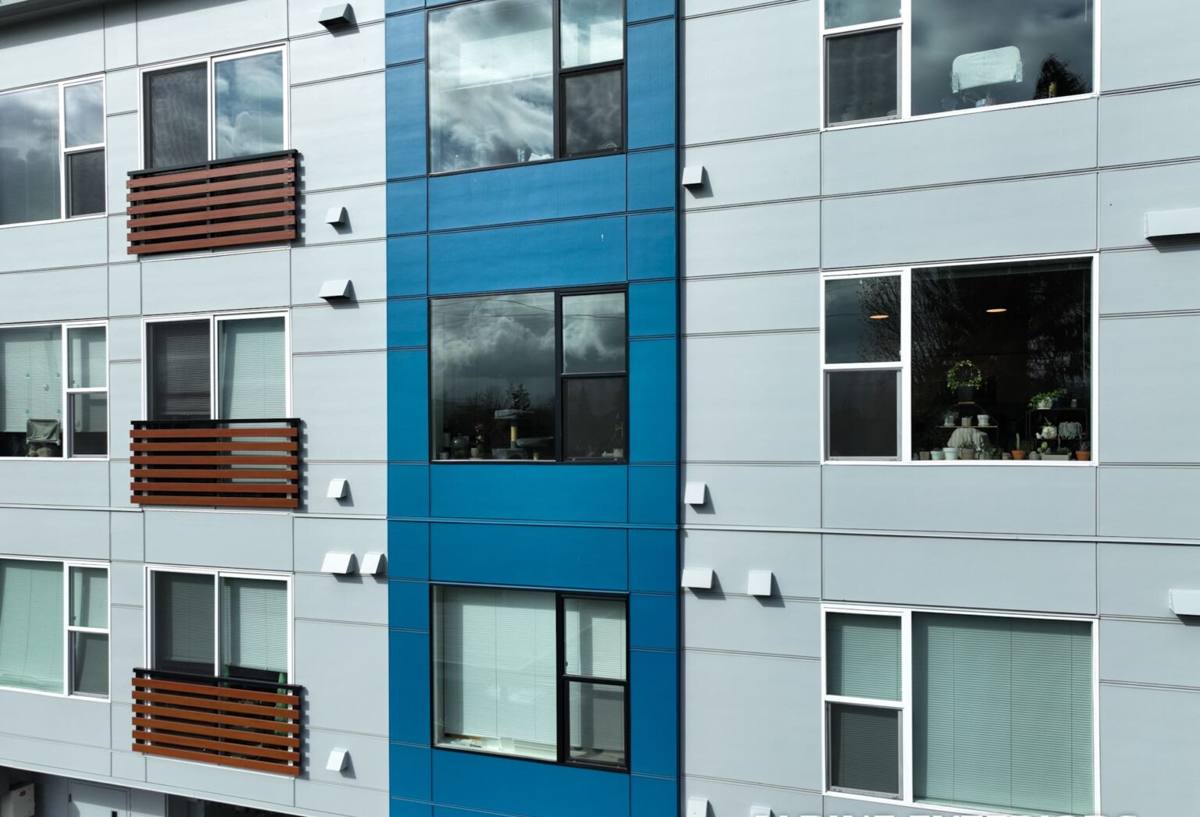
Why "Off-the-Shelf" Doesn't Work in an Older St. Petersburg Neighborhood
Production-built subdivisions use a handful of standard window sizes, so a contractor can order from a catalog and move fast. Roser Park's housing stock predates that model. Openings were framed by hand, sized to the room, and sometimes altered over decades of additions and repairs. It's common to find:
- Openings that are slightly out of square or out of plumb after a century of settling
- Non-standard widths or heights that don't match any current manufacturer's stock size
- Original wood trim, stucco returns, or masonry openings that need to be protected or matched during removal and install
- A mix of window styles on one house from prior partial renovations
A crew that only installs stock sizes will either force a bad fit or push for costly structural changes to make the wall match a standard product. Custom manufacturing solves that at the source — the window is built to the opening.
What St. Petersburg's Climate Does to Windows
Pinellas County sits on a peninsula, and Roser Park is close enough to open water and salt air that homes here take a different kind of beating than inland Florida properties. Four things matter most for window performance:
Wind
Hurricane-force and tropical-storm-force winds put direct pressure on glass and frames, and wind-driven debris is the real threat during a storm — a single impact can breach a window and pressurize the whole structure.
UV Exposure
Year-round intense sun breaks down vinyl, fades interior finishes, and degrades seals and weatherstripping faster than in northern climates. A window rated for a moderate climate simply ages faster here.
Wind-Driven Rain
Tropical downpours don't fall straight down — wind pushes rain sideways into any gap in flashing, sealant, or frame fit. Poor installation shows up as water intrusion long before the window itself fails.
Salt Air
Airborne salt accelerates corrosion on hardware, fasteners, and some frame finishes. Material choice and hardware quality matter more here than they would 60 miles inland.
None of this is unique to Roser Park, but it's the reality every window on these homes has to be built and installed to handle — not as an upgrade, but as the baseline.
Wind, Code, and Impact Requirements in Pinellas County
Florida's building code sets wind load and impact requirements based on location, and coastal Pinellas County properties generally fall into higher wind-pressure zones than inland areas of the state. In practice, that means:
- New and replacement windows typically need to meet a specific design pressure (DP) rating tied to the home's exposure and height
- Openings must either use impact-rated glass or be paired with code-approved storm protection
- Permitting and inspection are required for window replacement in St. Petersburg — this isn't optional paperwork, it protects the homeowner if there's ever an insurance claim or a future sale
- Historic-district considerations in older St. Petersburg neighborhoods can affect what's allowed on street-facing elevations, so exterior appearance sometimes factors into product selection alongside performance
We pull permits, size windows to the correct pressure rating for the specific property, and don't shortcut inspections — a window that isn't documented correctly can become a real problem at claim time or resale, regardless of how well it performs.
Frame Materials and Glass Packages — What We Recommend
There's no single "best" window for every house in this neighborhood. The right combination depends on the home's exposure, its architectural style, and the owner's priorities on cost versus long-term maintenance. Here's how the common options stack up for this climate:
| Frame Material | Strengths | Trade-offs Here |
|---|---|---|
| Vinyl | Lower cost, no repainting, good energy performance | Can soften/discolor under intense UV over many years if lower-grade; quality varies widely by manufacturer |
| Aluminum | Strong, slim sightlines, holds up well structurally, often used on historic-style homes for a period-correct profile | Conducts heat unless thermally broken; needs a good finish to resist salt-air corrosion |
| Fiberglass | Very stable in heat, low expansion/contraction, long service life | Higher upfront cost than vinyl |
| Wood (clad) | Best fit for matching original historic trim and character | Highest maintenance if not clad; needs a quality exterior cladding to survive humidity and rain |
On glass, the priority in this area is a laminated, impact-rated package with a low-E coating tuned to block UV and solar heat gain without darkening the view more than necessary. For older homes where the goal is matching a historic look, we can pair impact glass with true or simulated divided-light grille patterns so the window performs to current code without looking out of place on the house.
Our Process for Custom Window Projects
- On-site assessment. We measure every opening individually — not just one and assume the rest match — and note framing condition, existing trim, and any signs of past water intrusion.
- Product selection. Based on the home's exposure, style, and the owner's budget, we recommend frame material, glass package, and grille pattern.
- Permitting. We handle the permit application with the city, sized to the correct wind pressure rating for the property.
- Manufacturing. Windows are built to the exact field measurements — not standard stock sizes forced into an odd opening.
- Removal and install. We protect existing trim, stucco, or masonry during removal, then flash and seal each opening correctly before setting the new unit.
- Final inspection and walkthrough. We confirm the permit closes out and walk the homeowner through operation and care.
Keeping Historic Character While Upgrading Performance
A lot of homeowners in older St. Petersburg neighborhoods assume that hurricane-rated, energy-efficient windows have to look modern or heavy compared to the original single-pane wood windows on the house. That's not really true anymore. Grille patterns, sightline widths, and frame colors can be selected to keep a home's original proportions while the glass and hardware behind them do the actual work of resisting wind, rain, and UV. If the home is in a designated historic district, we factor exterior appearance requirements into the product recommendation up front, rather than after ordering the wrong thing.
What Custom Windows Cost in Roser Park
Custom pricing depends on more variables than a stock-size job, so a real number only comes from measuring the actual openings. In general terms, the main cost drivers are:
| Factor | Why It Moves the Price |
|---|---|
| Opening size and shape | Larger or irregularly shaped openings require more custom fabrication |
| Frame material | Vinyl is typically the lowest upfront cost; fiberglass and clad wood run higher |
| Impact rating | Laminated impact glass costs more than standard glass but reduces or removes the need for separate storm shutters |
| Grille/muntin pattern | True divided-light or historic-style grille patterns add labor and material over a plain sash |
| Number of openings | Whole-house replacement typically brings a better per-window price than a handful of one-off units |
| Trim and structural repair | Rot, out-of-square framing, or stucco repair around the opening adds labor beyond the window itself |
We give a written, itemized quote after the on-site measurement so there's no guessing what's driving the number.
Why Hire a Crew That Already Works This Neighborhood
Older neighborhoods in St. Petersburg have quirks that a crew only familiar with new construction won't anticipate — framing that isn't square, trim details worth preserving, and, in some cases, historic district guidelines that affect what can go on the street side of the house. A crew that's already done this kind of work in this kind of neighborhood knows to check for those things before the order is placed, not after the wrong window shows up. Before hiring anyone for a custom window project, it's worth confirming a few basics:
- Florida contractor license and proof of liability insurance, verifiable directly rather than taken on the company's word
- Experience with older or historic-style homes specifically, not just standard new-construction installs
- A written quote that itemizes materials, labor, and permit fees separately
- Confirmation they pull permits and schedule required inspections themselves
- A clear answer on wind/impact rating for your specific property and exposure, not a generic "it's rated for Florida"
If you're weighing custom windows for a home in Roser Park, we're glad to take a look, measure the actual openings, and give you a straight answer on what fits the house and what it will cost — no pressure, no obligation. The estimate form below gets that started.