 St. Petersburg Window
 Siding Built for Seminole's Climate, Not Just Its Curb Appeal
Seminole sits in the heart of Pinellas County, close enough to the Gulf that salt air, humidity, and wind-driven rain are part of daily life for every home in the area, even those a few miles inland from the water. Add in Florida's intense year-round UV exposure and the real possibility of hurricane-force winds during storm season, and it becomes clear that siding here isn't just an aesthetic choice — it's a structural component that has to perform under conditions most of the country never deals with.
Siding that works fine in a drier, milder climate often struggles in Seminole. Materials that absorb moisture can swell, rot, or delaminate. Products with painted or laminated finishes chalk, fade, or peel faster under constant sun. And in a wind event, siding that isn't installed to a real fastening schedule can come loose or fail outright, exposing the wall assembly behind it to water intrusion. We install James Hardie fiber cement siding exclusively because it's engineered specifically for climates like this one, and we install it to the manufacturer's specifications every time — not shortcuts, not "close enough."
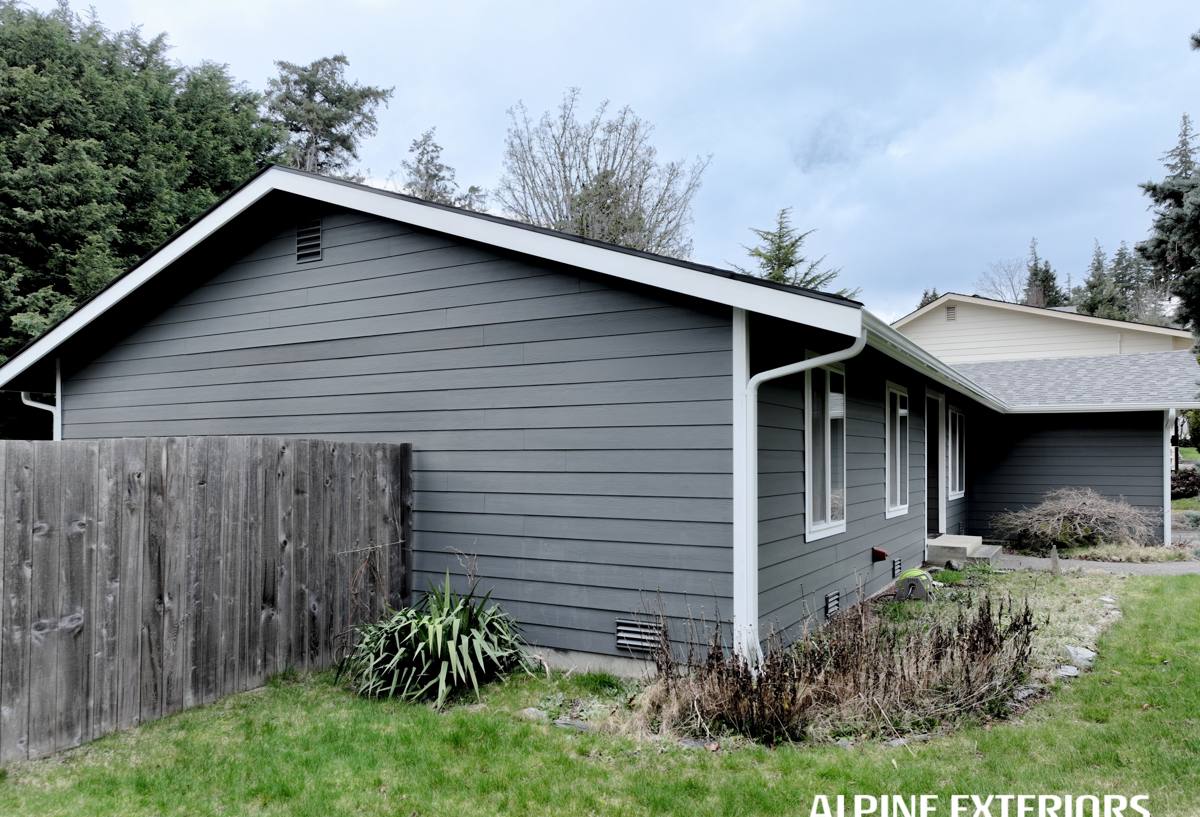
What Seminole Homes Are Up Against
Salt Air and Humidity
Even homes that aren't waterfront still take on airborne salt, which accelerates corrosion of fasteners and hardware and speeds up the breakdown of lower-quality siding materials. Combine that with Pinellas County's humidity, and you get conditions that favor moisture retention, mold growth behind poorly installed siding, and wood rot in any organic material that isn't properly sealed and maintained.
UV Exposure
Florida sun is relentless. Siding finishes that aren't formulated for this level of UV load will fade unevenly, chalk, and require repainting far sooner than the manufacturer's stated timeline suggests. A finish that holds its color without constant upkeep matters more here than almost anywhere else in the country.
Wind and Storm Exposure
Seminole isn't exempt from the wind loads that come with Gulf Coast hurricane season. Siding has to be rated and installed to withstand sustained high winds and flying debris, and the fastening pattern behind the siding matters as much as the product itself. A beautiful siding job that isn't fastened correctly is a liability the first time a storm rolls through.
Why We Only Install James Hardie Fiber Cement
We made a deliberate decision years ago to install one siding system and install it correctly, rather than offer every product on the market and hope each one holds up. James Hardie fiber cement is non-combustible, engineered in climate-specific product lines (including versions formulated for high-humidity, high-moisture regions like ours), and finished with a factory-applied ColorPlus coating that's baked on under controlled conditions rather than painted on-site. That factory finish is a major reason it resists the fading and chalking that plague field-painted or laminated siding products in Florida sun.
We don't install vinyl, LP SmartSide, Cemplank, Allura, or primed wood siding, and we're upfront about why: each of those products asks a homeowner to accept a trade-off — moisture sensitivity, a shorter realistic service life in this climate, a finish that needs more frequent maintenance, or a warranty structure that doesn't hold up the way homeowners expect. Fiber cement done right avoids most of those trade-offs, and James Hardie is the manufacturer whose engineering, factory finish process, and warranty backing we trust to actually deliver on the promise.
What Correct Siding Installation Actually Involves
The siding material only performs as well as the installation underneath it. A correct James Hardie install on a Seminole home includes several steps that are easy to skip and hard to inspect once the job looks "done" from the curb:
- Removing the old siding down to the sheathing and inspecting for hidden moisture damage or rot before anything new goes up
- Repairing or replacing any compromised sheathing rather than covering it over
- Installing a proper weather-resistive barrier and correctly flashing all windows, doors, and penetrations
- Following James Hardie's published fastening schedule and clearance requirements, including the ground clearance and gap specifications that keep the bottom edge of the siding from wicking moisture
- Properly caulking and sealing joints, corners, and trim per manufacturer guidelines, using compatible sealants
- Painting or touching up any field-cut edges with manufacturer-approved products to protect against moisture at cut lines
Skip any one of these steps and you can end up with siding that looks correct for a year or two and then starts showing problems — moisture stains, warping trim, or fastener failure in a wind event — that trace straight back to the installation, not the product.
Signs Your Seminole Home's Siding Needs Attention
| What You're Seeing | What It Usually Means |
|---|---|
| Soft or spongy spots when pressed | Moisture has gotten behind the siding and is likely affecting the sheathing underneath |
| Visible gaps, warping, or buckling | Original installation or fastening was likely inadequate, or storm damage has loosened panels |
| Persistent fading, chalking, or peeling paint | The existing finish isn't holding up to UV exposure and is due for replacement, not just a repaint |
| Cracking at corners or seams | Caulking has failed or panels were installed without proper clearance for expansion |
| Rising utility bills with no other explanation | Compromised siding and underlying moisture barrier can reduce your home's thermal performance |
Our Installation Process for Seminole Projects
Assessment and Estimate
We start with an on-site inspection of your home's current siding, trim, and any visible problem areas. We'll talk through what we find, what a correct James Hardie installation involves for your specific home, and give you a straightforward estimate — no pressure, no inflated scare tactics about damage that isn't there.
Prep and Removal
We remove the existing siding and inspect the sheathing and framing underneath. Any rot or moisture damage gets addressed before new siding goes up. This is the step that gets skipped by crews trying to move fast, and it's the one that determines whether your new siding lasts.
Weather Barrier and Flashing
We install a proper weather-resistive barrier and flash every window, door, and penetration correctly. This layer does most of the real work protecting your home from wind-driven rain, and it's invisible once the siding goes on — which is exactly why it has to be done right the first time.
Installation to Manufacturer Spec
We install James Hardie panels or lap siding following the manufacturer's fastening schedule, clearances, and sealing requirements, using the HZ10 product line engineered for humid, high-moisture climates like ours.
Final Walkthrough
We walk the finished job with you, point out anything worth knowing for long-term care, and make sure you're satisfied before we call it done.
Cost Factors for Seminole Siding Projects
Every home is different, and we'll give you an exact number after an on-site assessment, but the general factors that move the price on a siding installation include:
| Factor | Why It Matters |
|---|---|
| Home size and wall complexity | More square footage and more corners, gables, and trim details mean more labor and material |
| Extent of underlying repair needed | Rotted sheathing or framing found during removal has to be replaced before new siding goes on |
| Siding profile and finish selection | Lap siding, panel siding, and shingle-style profiles carry different material and labor costs |
| Trim and accessory work | Corner boards, window trim, and fascia work add to scope beyond the flat wall area |
| Access and site conditions | Multi-story sections, tight lot lines, or landscaping obstacles affect labor time |
Why a Crew That Already Works Seminole Matters
Siding installation isn't just about following a manufacturer's manual — it's about knowing how those specs apply to real Pinellas County homes, in real Seminole conditions. A crew that already works in this area knows what wind exposure and coastal humidity do to a wall assembly over time, understands local permitting, and has already seen what happens when a job is done wrong on a house just like yours. That local track record is worth more than a low bid from a crew that isn't familiar with the area.
We also stand behind the labor on every installation, in addition to the manufacturer's product warranty on the James Hardie materials themselves — so you're covered on both the product and the workmanship.
Caring for Your New Siding
James Hardie fiber cement is low-maintenance, but "low" isn't "none." A simple annual routine keeps it performing the way it should:
- Rinse the siding periodically to remove salt residue and airborne grime, especially on sides of the home most exposed to weather
- Inspect caulking at joints, corners, and trim yearly and re-caulk any areas showing cracks or gaps
- Trim back landscaping and irrigation so sprinklers aren't hitting the siding directly and vegetation isn't holding moisture against it
- Address any impact damage or chips promptly so the finish stays sealed against moisture
If your Seminole home's siding is showing its age, or you're planning ahead of the next storm season, we're happy to take a look and give you an honest assessment — no pressure, no hard sell. Request a free estimate below and we'll walk the property with you and talk through exactly what your home needs.