 St. Petersburg Window
 Why Bartlett Park Homes Need Windows Built for This Climate
Bartlett Park sits close enough to Tampa Bay that every window on a house is doing real work, not just letting in light. Between hurricane-force wind events, wind-driven rain that finds any gap in a tired frame, and UV exposure that runs strong nearly year-round, Pinellas County is one of the harder environments in the country for windows to survive in. Add the salt air drifting in off the bay and the Gulf, and you've got a slow, steady corrosion process working on hardware, screens, and metal components even on homes that never see a direct storm hit.
None of this is unique to Bartlett Park, but it matters more here because of the age and mix of the housing stock. A window that was a reasonable choice in 1995 is now thirty years into a climate that doesn't forgive weak seals, and a lot of homeowners don't find out how compromised their windows are until a storm season puts real pressure on them.
What "taking a toll" actually looks like
In practice, this climate shows up in windows as: clouded or fogged double-pane glass (seal failure), chalky or pitted aluminum frames, wood frames that have started to soften or rot at the sill, screens and hardware that have corroded to the point of not sliding or locking properly, and caulking or weatherstripping that's cracked and shrunk away from the frame. Any one of these is a sign the window is no longer doing its job as a barrier against wind, water, and heat.
The Housing Stock in Bartlett Park
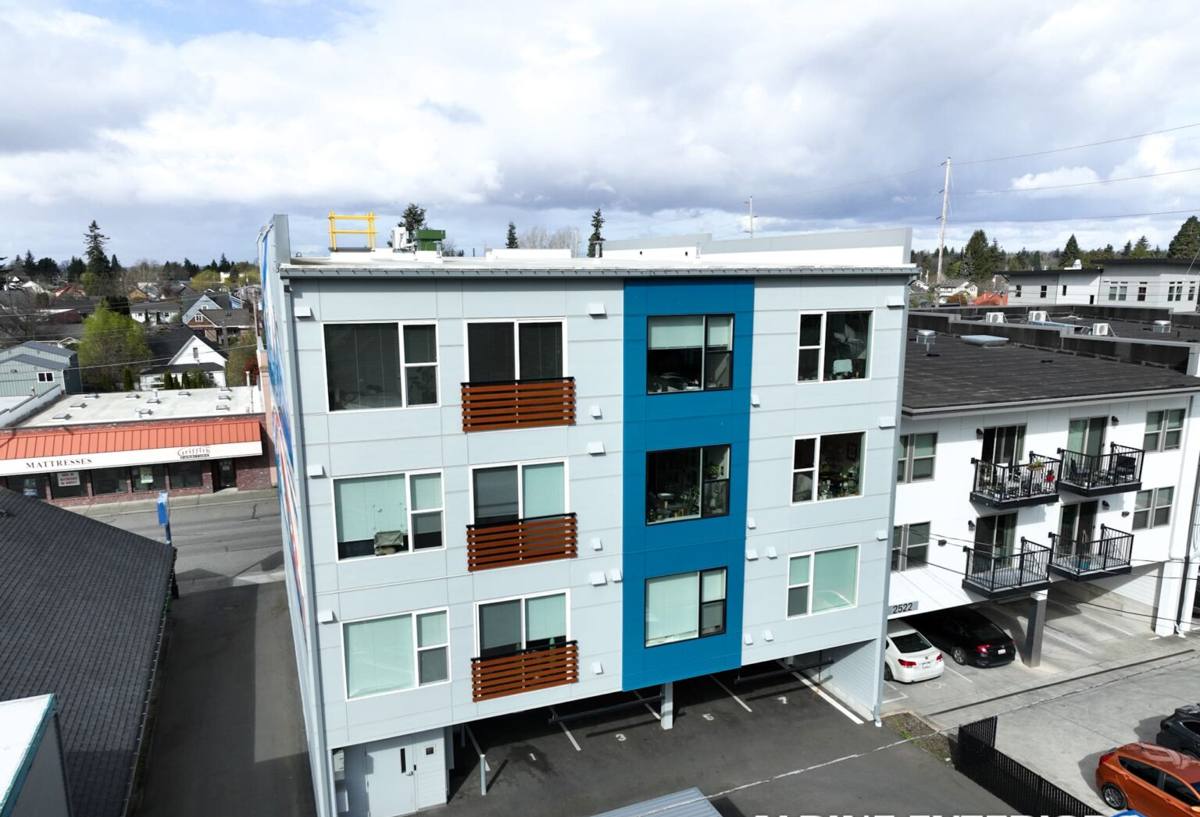
Bartlett Park is one of St. Petersburg's older, established neighborhoods, with a mix of bungalow-style and mid-century homes alongside newer infill construction. That mix matters for window replacement because it means we're rarely doing a cookie-cutter job — older homes often have original or long-since-replaced single-pane or early double-pane windows in wood or aluminum frames, sized to openings that don't always match modern standard sizes. Newer or renovated homes nearby may already have more current impact or hurricane-rated glass, but even those installations can have been done wrong, with gaps that undercut the product's actual performance.
What this means for a homeowner: a proper replacement job here starts with actually measuring and evaluating your specific openings, not assuming a standard product will drop in cleanly. Older masonry or wood-frame construction, in particular, needs careful attention to how the new window ties into the existing wall assembly.
What a Correct Window Replacement Job Actually Involves
Buying a good window is maybe half the job. The other half — arguably the more important half in this climate — is the installation itself. A window that's rated for 150 mph winds will still leak and eventually fail if it's not flashed, sealed, and fastened correctly into the opening.
The parts that matter most
- Accurate opening prep — removing the old window without damaging the surrounding structure, and correcting any rot, rust, or out-of-square framing before the new unit goes in.
- Proper flashing and weatherproofing — a continuous water management path around the opening so wind-driven rain has nowhere to get behind the window.
- Correct fastening for wind load — the right fasteners, spacing, and anchoring into structural framing or masonry, sized to the wind zone your address falls in.
- Sealant that's actually rated for the job — not just any caulk, applied correctly at every joint, not just the visible ones.
- Interior and exterior finish work — trim, stucco, or siding repaired back to a clean, sealed edge, not just caulked over a gap.
Skip any of these steps and you can end up with a great window performing like a mediocre one — or worse, one that traps moisture and causes damage you don't see until it's expensive.
Impact-Rated vs. Standard Windows: What's the Real Difference
Homeowners in Bartlett Park often ask whether they need full impact-rated windows or whether standard windows plus separate storm protection is enough. There's no single right answer — it depends on your home, your budget, and how you weigh upfront cost against long-term convenience. Here's how they actually compare:
| Factor | Impact-Rated Windows | Standard Windows + Shutters/Panels |
|---|---|---|
| Storm prep effort | None — always ready | Requires installing panels/shutters before each storm |
| Upfront cost | Higher per window | Lower window cost, but added shutter/panel cost |
| Daily UV and noise reduction | Generally better (laminated glass) | No improvement unless glass is also upgraded |
| Insurance premium impact | Can qualify for wind mitigation credits | Depends on shutter type and rating |
| Appearance | Clean, no visible hardware | Shutters/panels visible when deployed or stored |
| Long-term maintenance | Standard window upkeep | Shutter tracks and hardware need their own upkeep |
We'll walk through this trade-off honestly during an estimate — there are legitimate reasons to go either direction, and we're not going to push the more expensive option if it's not the right fit for your home or plans.
Frame Material: What Holds Up in This Environment
Frame material choice matters as much as glass in a coastal-adjacent climate like ours. Here's how the common options actually perform under Pinellas County conditions:
| Frame Material | Salt Air / Corrosion Resistance | UV / Heat Performance | Maintenance |
|---|---|---|---|
| Vinyl | Excellent — won't corrode | Good with UV-stabilized formulations | Low |
| Fiberglass | Excellent | Very good, dimensionally stable in heat | Low |
| Aluminum | Fair — prone to pitting/corrosion over time without proper coatings | Good structurally, conducts heat | Moderate |
| Wood | Poor unless well-clad and maintained | Good insulator | High |
We don't install every material on the market, and that's a deliberate choice — some options that look fine on a spec sheet create real maintenance headaches or moisture problems once they've spent a few summers in this humidity and salt air. We'll tell you plainly why we recommend what we recommend, including the trade-offs, rather than just pushing whatever's in stock.
Permitting and Wind-Load Requirements
Window replacement in St. Petersburg and Pinellas County isn't a "swap it out over a weekend" project as far as the code is concerned. Permits are typically required, and products need to carry the appropriate product approval for the wind zone your property sits in. This isn't paperwork for its own sake — it's what ensures the window that goes into your wall can actually handle what this area throws at it, and it protects you if you ever sell the house or file an insurance claim.
We handle the permitting and make sure the products we install carry the right approvals for this area. If a contractor offers to skip permits to save time or money, that's a red flag, not a favor — it can come back on you later during a sale or a claim.
Signs a Bartlett Park Home Needs Window Replacement
Not every window problem means full replacement, but these are the signs worth taking seriously:
- Foggy or hazy glass between panes (failed seal, not cleanable)
- Windows that are hard to open, close, or lock — often a sign of frame warping or hardware corrosion
- Visible daylight or a draft around a closed window
- Soft, discolored, or rotting wood at the sill or frame
- Noticeably higher cooling bills without another explanation
- Chalky, pitted, or corroded aluminum frames
- Condensation forming on the inside of the glass regularly
- Visible rust streaks or stains below window openings
If you're seeing two or more of these on the same window, it's usually more cost-effective to replace than to keep patching.
How Our Process Works
We keep the process straightforward and try not to waste your time with sales pressure:
- Free on-site estimate — we look at your actual openings, current windows, and any problem spots, and talk through options honestly.
- Product and pricing walkthrough — clear ranges based on frame material, glass package, and impact rating, no surprise add-ons later.
- Permitting — we pull the required permits and confirm product approvals for your wind zone before work starts.
- Removal and prep — old windows come out carefully, and any rot, rust, or framing issues get addressed before the new unit goes in.
- Installation — proper flashing, sealing, and fastening per manufacturer and code requirements.
- Final inspection and walkthrough — we confirm everything operates correctly and passes inspection, and we show you how to maintain it.
Why a Crew That Already Works Bartlett Park Matters
A contractor who's spent time working in and around this specific part of St. Petersburg has already seen how the housing stock here ages, what the common problem spots are on homes of this vintage, and what actually holds up once summer humidity and storm season roll around. That's different from a crew that treats every job as a generic install from a spec sheet. It also means we're familiar with the local permitting process and inspection expectations, which keeps your project moving instead of stalling on paperwork.
Ready to find out what your Bartlett Park home actually needs? Fill out the form below for a free, no-pressure estimate — we'll take a real look at your windows and give you honest options, not a hard sell.