 St. Petersburg Window
 Why Bartlett Park Decks Wear Out Faster Than the Warranty Suggests
A deck in Bartlett Park does not age the way a deck in a drier, cooler climate does. St. Petersburg sits close to Tampa Bay, and that means near-constant humidity, salt-laden air moving in off the water, and sun exposure that is intense essentially year-round. Add in the wind-driven rain and occasional hurricane-force winds that come with a Pinellas County summer and fall, and you have a structure that is under attack from four directions at once: UV breaking down surface fibers and finishes, moisture cycling in and out of wood grain and fastener holes, salt accelerating corrosion on anything metal, and wind loading the frame and railings in ways a shaded, inland deck never experiences.
This is why a deck that looks fine from a distance can be structurally compromised underneath, and why a "repair" on an aging deck often just delays a problem that's already spread through the framing. Replacement done correctly for this climate lasts considerably longer than a patch job, and it costs less over ten years than repeated repairs.
Repair or Replace? Reading the Signs Correctly
Cosmetic Wear vs. Structural Failure
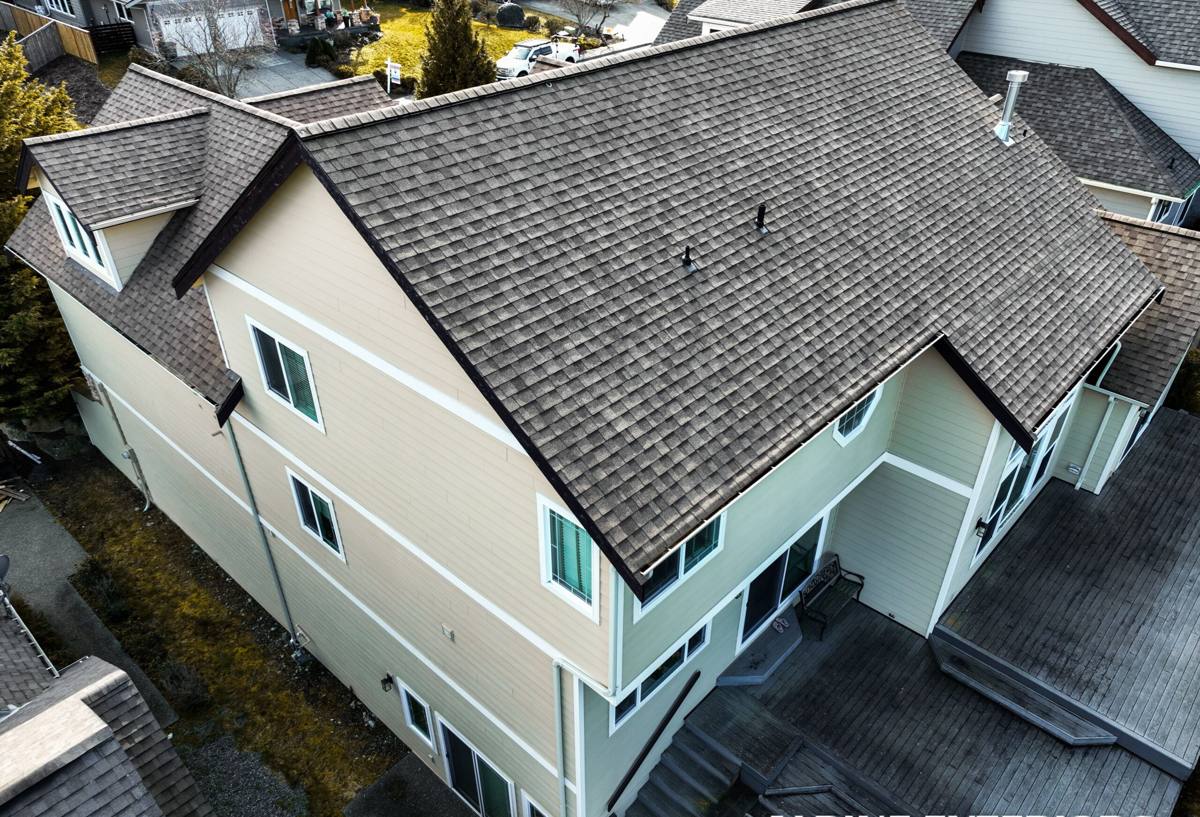
Faded color, minor surface checking, and a board or two that's cupped are cosmetic issues — annoying, but not dangerous. The problem is that homeowners often can't tell where cosmetic wear ends and structural failure begins, because the worst damage on a Florida deck usually happens where you can't see it: the ledger board bolted to the house, the post bases sitting in standing water after a storm, and the joist hangers holding galvanized or stainless fasteners that have been sitting in salt air for over a decade.
Before we recommend replacement over repair, we get underneath the deck and check the framing directly — not just the decking surface.
- Soft or spongy spots when you walk across the deck
- Visible rust bleeding from fastener heads or joist hangers
- Gaps or movement where the ledger board meets the house
- Wood that's soft, crumbly, or dark when probed with a screwdriver
- Railings that flex or wiggle under moderate pressure
- Posts sitting directly in soil or standing water instead of on proper footings
- A deck more than 15-20 years old that has never had the framing inspected
Any one of these is a reason to have the structure evaluated before another storm season. Several of them together usually mean full replacement is the more honest recommendation.
What a Correct Deck Replacement Actually Involves
Framing and Ledger Attachment
The ledger board — the piece bolted to your house that the deck framing hangs from — is the single most common failure point on older decks in this area, because it's the part most exposed to water running off the house and least likely to have been flashed properly the first time. A correct replacement means proper flashing behind the ledger, lag bolts or through-bolts sized to the load (not just nailed), and a gap or drainage plane so water doesn't sit trapped against your siding.
Fasteners and Hardware
Standard galvanized fasteners corrode faster in salt-influenced air than most homeowners expect. We use fasteners and joist hangers rated for coastal and treated-lumber contact — typically stainless or heavy-duty coated hardware — because replacing a deck's surface boards every few years while the hardware silently rusts underneath is how a "repair" becomes a hidden safety issue.
Footings and Post Bases
Posts resting on the ground or on undersized footings are a common shortcut on older decks and a common cause of the sag and lean we see in older Bartlett Park backyards. Correct footings go below grade to the required depth, and posts sit on bases that keep the wood off standing water — a real concern given how much wind-driven rain this area gets during summer storms.
Choosing a Decking Material for This Climate
There's no single "best" decking material — there's a best fit for your budget, your maintenance appetite, and how much direct sun and salt exposure your specific yard gets. Here's how the common options actually perform in a St. Petersburg backyard, not in a showroom.
| Material | Upfront Cost | Maintenance | How It Handles This Climate |
|---|---|---|---|
| Pressure-treated wood | Lowest | Annual sealing/staining recommended | Affordable and repairable, but UV and humidity cycling cause checking, warping, and fastener loosening faster here than up north |
| Cedar/tropical hardwood | Mid to high | Periodic oiling to maintain color | Naturally rot-resistant and handles moisture well, but intense sun will gray it without upkeep; a premium look with a real maintenance commitment |
| Composite (capped) | Higher | Occasional washing | Strong resistance to UV fading and moisture; no splintering or annual sealing; the most predictable long-term performer in salt air |
| PVC | Highest | Minimal | Fully synthetic, doesn't absorb moisture at all, very stable in heat and humidity, but least "natural" look and highest cost |
We don't push one material on every homeowner. If you want the lowest upfront cost and don't mind resealing every year or two, treated wood is a legitimate choice. If you're tired of maintaining a deck and plan to stay in the home long-term, capped composite or PVC pays for itself in avoided maintenance. We'll walk through the honest trade-offs for your specific deck rather than steering you toward whatever's most profitable for us.
Our Deck Replacement Process, Start to Finish
- On-site evaluation — we inspect the existing framing, ledger, footings, and hardware, not just the surface boards, and tell you honestly whether repair or full replacement makes sense.
- Material walkthrough — we go over the realistic options for your budget and how each one holds up to Gulf Coast sun, humidity, and salt air.
- Permitting — we pull the required permit through the City of St. Petersburg before work begins; deck work is not something that should be done off the books.
- Demolition and haul-away — the old structure comes out, including any compromised framing, footings, or ledger connections, not just the visible decking.
- Framing and structural work — new footings, posts, joists, and a properly flashed ledger connection built to current code.
- Decking, railing, and stairs — installed per your chosen material's manufacturer specifications so the warranty stays intact.
- Final walkthrough and inspection — we review the finished deck with you and coordinate the required building inspection.
Permits and Code Requirements in St. Petersburg
Deck replacement in Pinellas County requires a permit in most cases, and for good reason — this is a structure attached to your home, elevated, and expected to hold people during a Florida summer with guests standing near the rail. Permitted work means the framing, footing depth, railing height, and baluster spacing get checked against the Florida Building Code's wind and structural provisions, not just eyeballed. Skipping the permit might save a little time up front, but it can create real problems when you go to sell the home or file an insurance claim after storm damage. We handle the permitting and inspection scheduling as part of the job so you don't have to navigate the city's process yourself.
Cost Factors in a Bartlett Park Deck Replacement
Every deck is different, so we won't quote a number without seeing the site, but these are the variables that actually move the price:
| Factor | Why It Matters |
|---|---|
| Square footage | The most direct driver of material and labor cost |
| Height off grade | Taller decks need deeper footings, more bracing, and stair systems |
| Decking material | Treated wood, hardwood, composite, and PVC span a wide cost range |
| Railing style | Code-compliant railing with proper baluster spacing costs more than a simple cap rail |
| Existing structure condition | Reusable footings can lower cost; rotted framing that must be fully rebuilt raises it |
| Access to the backyard | Tight side yards or fenced access can add labor time for demo and material staging |
Why a Crew That Already Works Bartlett Park Matters
Bartlett Park is one of St. Petersburg's established neighborhoods, with a mix of older Florida homes and newer construction sitting on lots that vary in grade, drainage, and sun exposure from block to block. A crew that regularly works this part of Pinellas County already knows what to expect: how the local soil drains after a heavy summer storm, how close to code fence lines and setbacks typically run in these older lots, and how quickly an unsealed deck surface can go from fine to faded under South Florida sun. That familiarity means fewer surprises mid-project and a more accurate estimate up front, because we're not guessing at conditions we've never dealt with before.
It also means faster response if a storm rolls through mid-project or right after completion — we're not driving in from across the bay to check on fasteners or flashing.
Keeping Your New Deck Looking Right
Whatever material you choose, a little seasonal attention goes a long way in this climate. Use this as a baseline checklist:
- Rinse off salt residue and organic buildup every few months, more often if the deck is close to open water or heavy tree cover
- Check fastener heads and railing connections once a year for early rust or looseness
- Reseal or restain wood decking on the manufacturer's recommended schedule, not just when it looks faded
- Keep gutters and downspouts directing water away from the deck footings, not onto them
- After any major storm, do a quick visual check of the ledger board and post bases before heavy use
- Trim back vegetation that traps moisture against the decking surface
None of this is complicated, but skipping it is how a well-built deck ends up needing early repairs anyway.
If your deck in Bartlett Park is showing its age or you're not sure whether it needs repair or full replacement, we're happy to take a look. The estimate is free, there's no pressure, and you'll get a straight answer about what your deck actually needs — use the form below to get started.