 St. Petersburg Window
 Why Windows in Childs Park Take a Different Kind of Beating
Childs Park is one of St. Petersburg's long-established residential neighborhoods, and like the rest of Pinellas County, it sits in a climate that is genuinely hard on windows. This isn't a sales pitch — it's just what the Gulf Coast does to building materials over time. Hurricane-force winds, intense UV exposure nearly every day of the year, wind-driven rain that finds its way into gaps most people never notice, and salt-laden air all work on a window's frame, seals, and glass from the day it's installed. A window that's a good fit for a drier, milder climate often isn't built to handle what St. Petersburg throws at it.
That matters more in a neighborhood like Childs Park because a lot of the housing stock here predates modern window standards. Original windows in these homes were never designed for today's wind-load requirements, and even windows installed a couple decades ago were built to an older, less demanding code. When we talk about "custom windows" for this area, we're not talking about a fancy upgrade — we're talking about windows sized, engineered, and installed to actually hold up to local conditions instead of just filling a hole in the wall.
Hurricane Winds and Pressure Cycling
Even homes that never take a direct hurricane hit still go through repeated wind-pressure cycling from tropical storms, seasonal squalls, and the occasional hard nor'easter-style blow off the Gulf. Over years, that cycling stresses frame corners, weep systems, and seals. Windows that aren't rated for the wind pressures typical of this part of Florida can loosen, leak, or fail well before their expected lifespan.
Year-Round UV and Heat
St. Petersburg gets strong sun in every season, not just summer. UV exposure breaks down cheap vinyl, dries out old glazing compounds, and fades interior finishes near windows that don't have proper glass coatings. Heat gain through poorly performing glass also means your air conditioning is working overtime, which shows up on the power bill every single month.
Wind-Driven Rain
A window can be watertight in a straight-down rain and still leak badly when rain is being pushed sideways by wind — which is a normal weather pattern here, not a rare event. Wind-driven rain finds any weak point in flashing, sealant, or a poorly shimmed frame. Most of the water intrusion problems we see in older homes trace back to installation gaps, not the window product itself.
Salt Air
St. Petersburg sits on a peninsula surrounded by the Gulf and Tampa Bay, and salt-laden air travels further inland than most homeowners assume. Salt exposure accelerates corrosion on hardware, screws, and certain metal components. It's a slow process, but it's constant, and it's one more reason material choice matters as much as glass choice.
What "Custom" Actually Means for Childs Park's Housing Stock
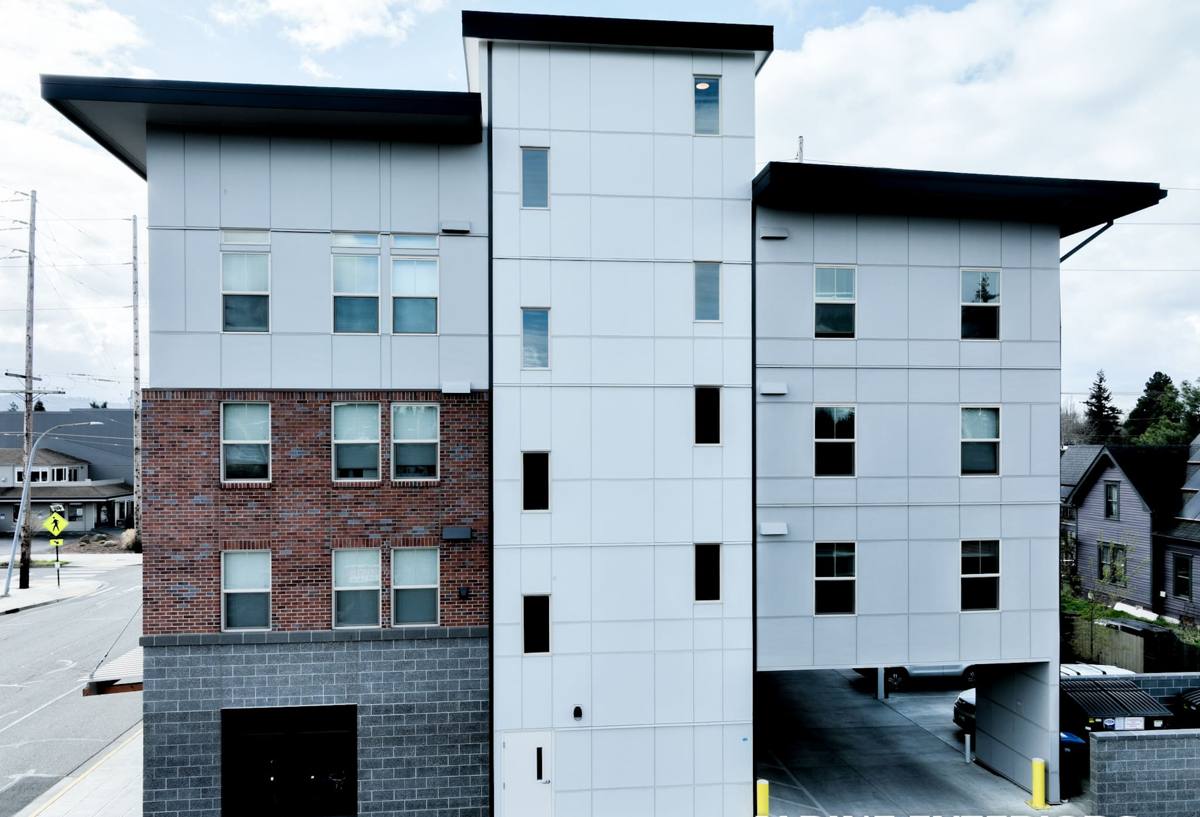
Childs Park has a mix of mid-century homes, additions built at different times, and a range of window opening sizes that don't always match what comes off a factory line in standard dimensions. "Custom" windows means each opening gets measured and the unit is built or specified to fit that exact opening — not forced into a close-enough stock size with extra caulk and trim to hide the gap.
This matters for performance as much as looks. An undersized or oversized window opening compensated for with shims, foam, and trim can look fine on day one and still leak, rattle, or lose its seal within a few years. Getting the sizing and the installation method right the first time is the actual value in a custom job — the frame style and finish are the easy part.
Frame Material and Glass: What Actually Holds Up Here
There's no single "best" window for every home — the right choice depends on your budget, the age and structure of the house, and how exposed the home is to direct weather. Here's how the common frame options actually perform in a Pinellas County coastal climate:
| Frame Material | Coastal Durability | Maintenance | Typical Cost Position |
|---|---|---|---|
| Vinyl | Good when UV-stabilized; lower-grade vinyl can chalk and warp in heavy sun | Low — no painting, occasional cleaning | Entry to mid-range |
| Aluminum | Strong and rigid for large openings; needs corrosion-resistant hardware near salt air | Low, but hardware should be checked periodically | Mid-range |
| Fiberglass/Composite | Excellent — very stable in heat and humidity, resists warping | Low | Higher |
| Wood (unclad) | Poor without constant upkeep — humidity and rain exposure cause swelling and rot over time | High — regular painting/sealing required | Varies, often higher long-term cost |
Glass matters just as much as frame material. For this climate we typically recommend impact-rated glass or, at minimum, laminated glass with a low-E coating to cut down on UV and heat transfer. Impact glass has the added benefit of not requiring separate storm shutters or panels before a storm — the protection is built into the window itself, which is a real convenience during hurricane season when time and supplies are both short.
Meeting Florida Building Code in Pinellas County
St. Petersburg and Pinellas County enforce the Florida Building Code, and much of the county — including coastal and near-coastal areas — falls within Florida's wind-borne debris region. That means replacement windows generally need to carry a valid Florida product approval (or Miami-Dade NOA) rating appropriate for the home's wind zone and exposure, and the installation itself has to be permitted and inspected, not just "swapped out."
A few things that trip up homeowners who go with an unpermitted or out-of-town installer:
- Using a window with a product approval rated for a different wind zone than what the home actually requires
- Skipping the permit, which can cause problems at resale or with insurance claims down the road
- Installation methods (fastener type, spacing, sealant) that don't match what the product approval actually requires — the rating is only valid if it's installed the way it was tested
We pull permits, use products with current Florida approvals for the applicable wind zone, and install to the manufacturer's tested method, not a shortcut version of it.
How We Approach a Custom Window Job in Childs Park
The process is straightforward, but each step matters more here than it would in a milder climate:
- On-site measurement and assessment. We measure every opening individually and check the surrounding framing, sill, and existing flashing for rot, moisture damage, or settling that needs to be addressed before a new window goes in.
- Product selection based on exposure. A window on a wall that takes direct afternoon sun and prevailing wind gets treated differently than one on a sheltered side of the house.
- Permitting. We handle the permit application with the city or county so the job is documented and inspected properly.
- Removal and prep. Old units come out carefully to protect the surrounding wall and framing, and we inspect for hidden water damage before anything new goes in — this is often where we find problems the homeowner didn't know existed.
- Installation to the tested method. Correct fasteners, correct spacing, correct flashing and sealant sequence — the same method the product's approval rating was tested under.
- Final sealing and finish work. Interior and exterior trim, caulking, and a final check for square, level, and smooth operation.
- Inspection sign-off. The permitted job gets inspected so there's a clean record tied to the property.
Energy Performance and Insurance Considerations
Two practical benefits come up in almost every conversation we have with Childs Park homeowners: monthly cooling costs and insurance. Low-E glass and a properly sealed frame reduce heat gain, which takes real pressure off an AC system that's already working hard for most of the year in this climate. On the insurance side, impact-rated windows can qualify a home for wind mitigation credits, which many Florida insurers factor into premiums. We can't quote you a specific savings number — that depends on your carrier and policy — but it's worth asking your insurance agent what documentation they'll need once the work is done, since we can provide the product approval paperwork.
Honest Trade-Offs: Why We Steer Away From Certain Shortcuts
Part of doing this job right is being straight about what we won't do and why. We generally steer homeowners away from unclad wood windows on exterior-facing walls in this climate — not because wood windows are bad, but because the maintenance burden in high humidity and salt air is significant, and a missed paint cycle can lead to rot inside just a few years. We also avoid installing lower-grade vinyl on large west- or south-facing openings where UV exposure is heaviest, since that's where cheaper vinyl is most likely to warp or discolor over time. These aren't judgments on any specific brand — they're trade-offs in maintenance, moisture behavior, and long-term appearance that we think a homeowner should know about before they pay for the work, not after.
Why It Matters to Hire a Crew That Already Works This Neighborhood
A crew that regularly works in and around Childs Park and greater St. Petersburg knows the kind of construction common to this neighborhood, has already dealt with the local permitting process, and understands which wind zone and exposure requirements apply here. That familiarity shortens the guesswork on your job — fewer surprises during removal, fewer delays waiting on permit corrections, and a better sense of which products actually perform well in this specific pocket of Pinellas County versus what looks good on a spec sheet from a colder climate.
It also matters for follow-up. If a seal needs adjusting or a screen needs replacing a year or two after installation, you want a company that's still local and easy to reach, not one that did a single job in the area and moved on.
Before You Get Quotes: A Practical Checklist
- Ask for the specific Florida product approval number for the window being quoted, and confirm it matches your home's wind zone
- Confirm the quote includes pulling a permit — not an optional add-on
- Ask what glass package is included (impact-rated, laminated, or standard insulated) and what the difference means for storm protection and UV blocking
- Get the frame material and glass specs in writing, not just "premium windows"
- Ask how they'll handle any rot or moisture damage found during removal, and how that's priced
- Check that the warranty covers both the product and the labor/installation separately
If you're weighing custom windows for a home in Childs Park, we're happy to walk the property, measure what you actually have, and give you a straightforward, no-pressure estimate — just fill out the form below.