 St. Petersburg Window
 Composite Decking in Kenneth City: Built for the Climate You Actually Live In
Kenneth City sits in the middle of Pinellas County, close enough to Tampa Bay and the Gulf that salt-laden air, intense UV, and wind-driven rain are part of daily life even without a storm on the map. A deck here isn't just an outdoor living space — it's a structure that has to survive a Florida summer, a hurricane season, and a decade of humidity without cupping, splintering, or rotting out from underneath. Composite decking, installed correctly, handles that job far better than wood. Installed carelessly, it fails in the same ways wood does, just more expensively. This page covers what a Kenneth City home actually needs from a composite deck, what correct installation looks like, and how we approach the job.
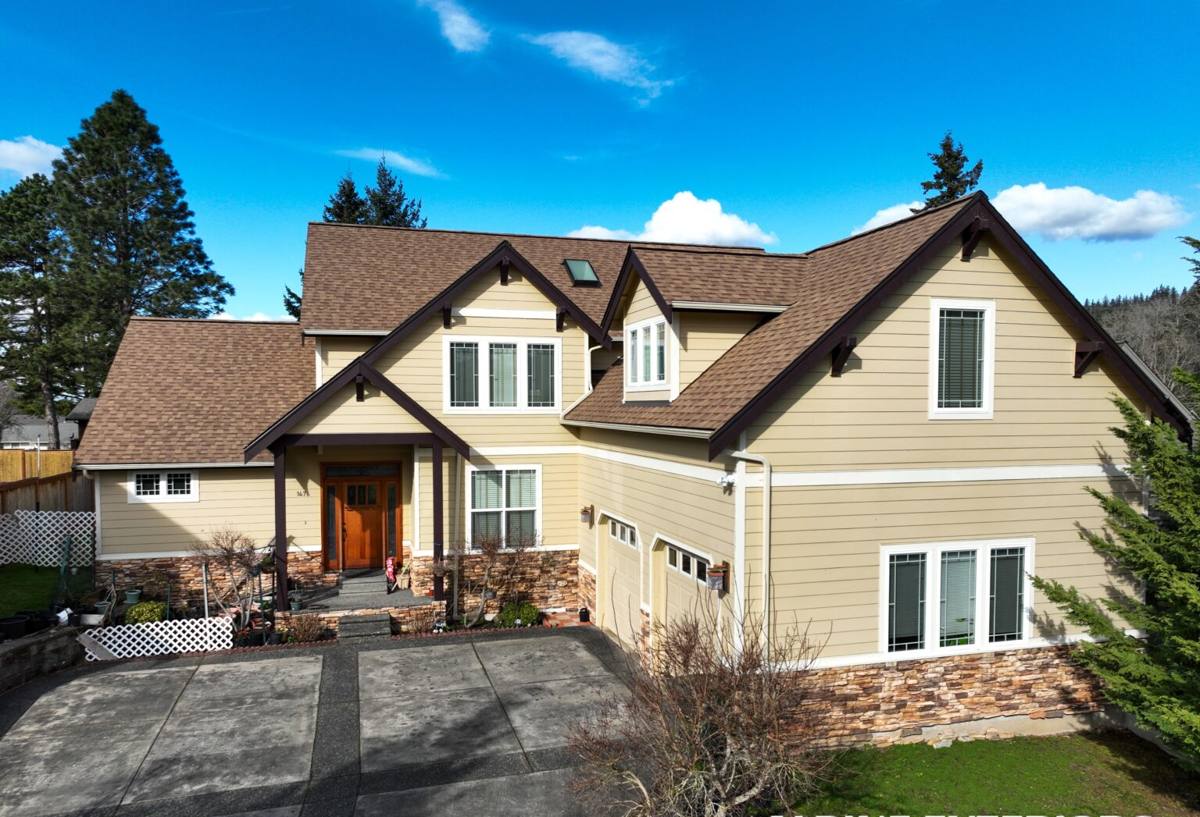
What Kenneth City's Climate Does to a Deck
Every deck material in this part of Pinellas County is fighting the same four things at once:
- UV exposure: Central Florida gets sun nearly year-round, and unprotected or low-grade decking fades, chalks, and becomes brittle faster than in northern climates.
- Salt air: Even a few miles inland, moisture off Tampa Bay and the Gulf carries salt that accelerates corrosion on fasteners, brackets, and any exposed metal hardware.
- Wind-driven rain and humidity: Afternoon storms push water sideways into ledger boards, joist gaps, and end grain. Standing moisture under a deck breeds rot and mold if drainage and ventilation aren't planned for from the start.
- Hurricane-force wind loads: Deck attachment to the house, railing anchoring, and fastener spacing all need to hold up under gusts that traditional deck-building guides from other regions don't account for.
None of this means a deck is a bad idea in Kenneth City — it means the materials and the installation details matter more here than they would in a drier, milder climate.
Why Composite Handles This Better Than Wood
Wood decking in this environment needs regular sealing, sanding, and staining to keep water out of the grain. Skip a season and you're looking at graying, splintering, and soft spots where rot has started. Composite boards — made from a blend of wood fiber and recycled plastic, most with a protective outer cap — don't absorb water the way solid wood does, don't need refinishing, and resist the fading and surface breakdown that Florida sun causes over time. That doesn't make composite maintenance-free, but it shifts the maintenance burden from "necessary to prevent structural damage" to "occasional cleaning to keep it looking good."
Composite vs. Wood: An Honest Comparison
| Factor | Composite Decking | Pressure-Treated Wood |
|---|---|---|
| UV fade resistance | High on capped boards; color stays consistent for years | Grays and fades within 1-2 seasons without refinishing |
| Moisture absorption | Very low, especially capped composite | High — end grain and cut edges soak up water readily |
| Maintenance | Periodic soap-and-water cleaning | Sanding, sealing, and staining every 1-2 years |
| Splintering risk | Minimal | Increases as the wood ages and dries out |
| Upfront material cost | Higher | Lower |
| Long-term cost over 15+ years | Generally lower once refinishing labor is factored in | Adds up with repeated sealing and repairs |
Composite isn't automatically the right call for every budget or every project, but for a homeowner planning to keep a deck in place for the long haul in this climate, it's usually the more predictable investment.
What a Correct Composite Deck Installation Actually Involves
The board itself is only part of the story. Most composite deck problems we get called to fix in this region trace back to substructure and fastening mistakes, not the decking material failing on its own. A correct installation includes:
Substructure and Framing
Joist spacing has to match the composite manufacturer's specification, which is often tighter than standard wood-deck spacing because composite boards flex differently than solid lumber. We use joist tape or a comparable moisture barrier on top of the framing to keep water from wicking into the joists where the decking sits on top of them — a detail that's easy to skip and expensive to regret later.
Ledger Attachment
Where the deck connects to the house is the single most important structural point on the whole project. It has to be properly flashed to keep wind-driven rain from getting behind the siding, and it has to be through-bolted or lag-screwed to framing members that can actually carry the load — not just anchored into sheathing.
Fasteners and Hardware
This is where salt air does its damage. Standard fasteners corrode faster near the coast, so we use stainless steel or coated fasteners rated for coastal exposure, along with hidden fastener systems designed for the specific composite board being installed. Mismatched hardware is a common shortcut that shows up as rust streaks and loosened boards within a couple of years.
Drainage and Airflow
Composite doesn't rot the way wood does, but the framing underneath it still can. Proper board spacing, ground clearance, and — where the deck is close to grade — a drainage plan underneath keep water from pooling and turning the space under the deck into a permanent damp zone.
Wind and Railing Anchoring
Railings and any attached structures need anchoring that accounts for the wind loads this area sees during hurricane season, not just the minimum spacing in a generic install guide. Post attachment to the frame, not just to the decking surface, is what keeps a railing solid under real wind pressure.
Choosing the Right Composite Board for Kenneth City
Not all composite decking is built the same, and the differences matter more in this climate than in milder ones.
Capped vs. Uncapped Composite
Capped composite boards have a polymer shell wrapped around the wood-plastic core, which is what actually gives them their fade and moisture resistance. Uncapped composite is more exposed to sun and moisture over time and tends to show wear faster in a climate that doesn't give materials a real off-season. For Kenneth City, we generally steer homeowners toward capped composite unless there's a specific budget reason not to — it's a maintenance and longevity trade-off, not a knock on uncapped products as a category.
Color and Heat
Darker composite boards absorb more heat and can get uncomfortably hot underfoot on a sunny Florida afternoon. Lighter and mid-tone colors stay more walkable in direct sun, which is worth weighing against the look you want, especially for a deck that gets afternoon sun without much shade.
Grooved vs. Solid-Edge Boards
Grooved-edge boards work with hidden fastener systems for a clean, screw-free surface, but the grooves can collect debris and moisture if not cleaned periodically. Solid-edge, face-screwed boards are more forgiving to maintain but show fastener heads on the surface. Either is a legitimate choice — it's a matter of maintenance habits and appearance preference.
Our Process
- On-site evaluation: We look at the existing structure (if there is one), grade and drainage around the area, sun exposure, and how the deck will tie into the house.
- Permitting: Deck construction in Pinellas County typically requires a permit, and attachment to the home has to meet local wind-load and building code requirements. We handle that process as part of the job.
- Framing and structural work: Joists, ledger attachment, flashing, and moisture barriers go in first, built to the load and spacing the composite manufacturer specifies.
- Decking installation: Boards are installed with corrosion-resistant fasteners and correct spacing for expansion and drainage.
- Railings and finish work: Railing posts are anchored into the frame, not just the decking, and all edges and transitions are finished cleanly.
- Final walkthrough: We go over the finished deck with you, including basic care so it holds up the way it's supposed to.
Maintaining a Composite Deck in a Coastal Climate
Composite decking cuts down on maintenance, but "low-maintenance" isn't "no-maintenance," especially with salt air and pollen in the mix. A simple seasonal routine keeps a composite deck looking and performing the way it should:
- Rinse the deck surface periodically to clear salt residue, pollen, and dust before it builds up.
- Clean with soap and water (or a manufacturer-approved composite cleaner) a few times a year, more often under trees or near the coast.
- Check railing posts and fastener points annually for any looseness, since even coated hardware benefits from a visual check in a salt-air environment.
- Clear leaves and debris from between grooved boards so moisture doesn't sit trapped against the surface.
- Inspect the underside and framing area once a year for standing water or drainage issues, even though the composite boards themselves won't rot.
Cost Factors to Plan Around
| Factor | How It Affects the Job |
|---|---|
| Deck size and shape | Larger footprints and multi-level or angled designs increase both material and labor |
| Board grade (capped vs. uncapped) | Capped composite costs more upfront but generally needs less attention over time |
| Substructure condition | Replacing or reinforcing existing framing adds cost but is often necessary for a safe attachment |
| Railing style | Composite, aluminum, and cable railings vary in both material cost and installation time |
| Height and access | Elevated decks or difficult site access require more structural work and time |
| Permitting and inspections | Standard for most deck projects in Pinellas County and built into a proper timeline |
Composite decking projects in this area generally run from a modest mid-range investment for a small, simple deck up to a considerably larger one for an elevated, multi-level design with premium railings. The honest answer is that it depends heavily on size and site conditions, which is why an on-site look matters more than a number pulled from a brochure.
Why Hiring a Crew That Already Works in Kenneth City Matters
A crew that regularly works Kenneth City and the surrounding St. Petersburg area already knows the local permitting process, understands how Pinellas County's wind-load requirements apply to residential decks, and has seen firsthand how salt air and sun treat different composite products over a few years — not just at installation. That local track record shows up in the small decisions: which fastener systems actually hold up here, how tight joist spacing needs to be for this climate, and where drainage tends to be a problem on typical area lots. It's the difference between a deck built to a generic national spec and one built for the conditions it will actually face.
If you're considering a composite deck for your Kenneth City property, we're happy to take a look at your space, talk through board options and layout, and give you a straightforward, no-pressure estimate. Use the form below to get started.