 St. Petersburg Window
 Snell Isle Roofs Work Harder Than Most
Snell Isle sits right up against the water, and that location cuts both ways. It's one of the more desirable pockets of St. Petersburg, but the same waterfront exposure that makes it attractive also means the roofs there take a harder beating than homes further inland in Pinellas County. Salt-laden air corrodes fasteners, flashing, and exposed metal faster than it does even a few miles away. Wind off the bay hits roof edges and ridge lines at angles that inland roofs rarely see. And when a tropical system or a strong summer storm rolls through, wind-driven rain doesn't just fall on a Snell Isle roof — it gets pushed sideways and underneath anything that isn't sealed correctly.
None of that means Snell Isle homeowners are stuck fighting a losing battle. It means storm damage repair here has to account for conditions a generic repair crew might not think about — which is the whole point of this page.
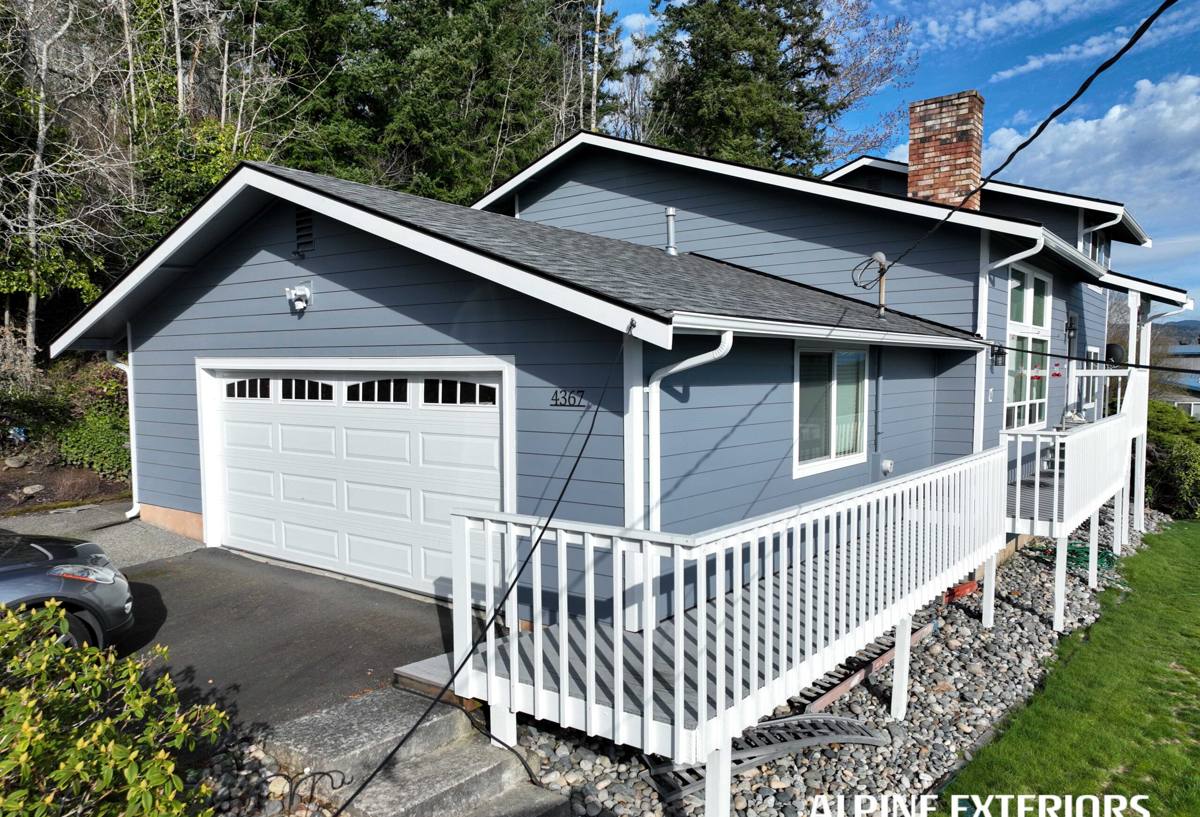
What Storm Damage Actually Looks Like on a Snell Isle Roof
Storm damage isn't always a dramatic hole in the roof. Most of the calls we get after a wind event or a heavy rain system involve damage that's easy to miss from the ground.
Wind Damage
Sustained wind and gusts can lift shingle or tile edges, break the seal along ridge caps, and loosen or crack fasteners without tearing the whole roof apart. Once that seal is broken, the covering is compromised even if nothing looks obviously wrong from the driveway.
Wind-Driven Water Intrusion
This is the one that causes the most hidden damage. Rain pushed sideways by strong wind finds its way under lifted shingles, through failed flashing at chimneys and walls, and around vent boots and skylights. Water can travel along the underlayment or decking and show up as a stain on a ceiling well away from where it actually entered.
Flashing and Penetration Damage
Flashing around chimneys, plumbing vents, skylights, and roof-to-wall transitions is usually the first thing to fail in a storm. It's metal or rubber, it's mechanically fastened, and years of salt air and UV exposure make the sealant and fasteners brittle before the roof covering itself is anywhere near end of life.
Granule Loss and UV-Accelerated Wear
Florida's year-round sun bakes asphalt shingles even in a normal year. After a storm strips granules or exposes the asphalt mat in spots, that section ages faster than the rest of the roof — a small storm hit today can turn into a leak months later if it's not addressed.
What a Correct Repair Actually Involves
A lot of "storm damage repair" in this market amounts to a few replacement shingles slapped over a spot and called done. That approach hides a problem instead of fixing it. A repair done right addresses the roofing system, not just the visible symptom.
- Confirming the decking underneath is dry and sound before anything gets covered back up
- Replacing damaged underlayment, not just the shingles or tiles on top of it
- Re-sealing or replacing flashing at every penetration in the affected area, not just the one that's visibly failed
- Matching shingle or tile color and profile as closely as possible so the repair doesn't stand out
- Checking fastener pattern and nailing against current wind-resistance standards, not just replicating what was there before
- Verifying the repair meets current Florida Building Code and Pinellas County permitting requirements where applicable
Skipping any of those steps doesn't save the homeowner money — it just moves the cost of the same leak to next year, usually after it's done more damage to decking, insulation, or drywall.
Repair or Replace? How We Make That Call
Not every storm-damaged roof needs a full replacement, and not every leak can be permanently solved with a patch. The right call depends on the roof's age, how widespread the damage is, and what condition the rest of the roof is in.
| Factor | Points Toward Repair | Points Toward Replacement |
|---|---|---|
| Roof age | Under 10-12 years, otherwise sound | Nearing or past manufacturer's expected service life |
| Extent of damage | Isolated to one section or a few penetrations | Spread across multiple slopes or the whole field |
| Decking condition | Dry, solid, no rot found on inspection | Soft spots, rot, or repeated water intrusion found |
| Material match | Matching shingles or tile still available | Discontinued product, mismatch would be obvious |
| Insurance scope | Adjuster approves a targeted repair | Adjuster's scope supports full replacement |
We'll walk you through where your roof lands on that table before we recommend anything, with photos and plain-language explanation — not a sales pitch toward the more expensive option.
How Our Process Works
1. Inspection and Documentation
We get on the roof (or use a mast camera when access or safety is a concern) and document every area of damage with photos, not just the spot you called about. This matters for two reasons: it tells us the true scope of the repair, and it gives you a record if you're filing an insurance claim.
2. A Clear, Written Scope
You get a written explanation of what's damaged, what needs to happen to fix it correctly, and what it will cost — before any work starts. No verbal-only estimates, no surprise add-ons once the crew is already up there.
3. The Repair Itself
We open up the affected area, check the decking and underlayment, replace what's compromised, and rebuild the flashing and shingle or tile layer to current standards. We don't cover over a problem to save a step.
4. Final Check
Before we consider the job done, we check the repair against the surrounding roof for water tightness and appearance, and we walk you through what was done.
Working With Insurance on a Storm Claim
Most storm damage repairs in this part of Pinellas County involve an insurance claim at some point. We're not a public adjuster and we won't pretend to be one, but we can provide the documentation — photos, measurements, and a written scope of damage — that adjusters need to evaluate a claim fairly. Homeowners who call a contractor only after their adjuster has already been out sometimes find damage that was missed in a quick drive-by inspection; having your own documented assessment on file helps make sure the claim reflects what's actually wrong with the roof, not just what was visible from the ground.
Why It Matters That We Already Work in Snell Isle
A crew that regularly works Snell Isle and the surrounding St. Petersburg waterfront knows what to look for that a generalist doesn't. That means recognizing how far salt air has advanced corrosion on fasteners and flashing even when the roof covering still looks fine, understanding the wind exposure differences between an open waterfront lot and a more sheltered inland one, and knowing the local permitting and inspection process well enough that a repair doesn't stall waiting on paperwork nobody double-checked. It also means showing up promptly after a storm, when every roofing crew in the county is suddenly busy and the ones without local roots are the last to get to your street.
Protecting a Snell Isle Roof Between Storms
The best storm repair is the leak that never happens because a smaller problem got caught first. A short annual check, especially before hurricane season, catches most of what turns into an emergency call later.
- Look for lifted, cracked, or missing shingles or tiles after any significant wind event
- Check flashing around chimneys, skylights, and vent pipes for gaps or lifted edges
- Clear debris and leaves from valleys and gutters so water has a clear path off the roof
- Watch for granules collecting in gutters, a sign of accelerated shingle wear
- Note any new ceiling stains right away — they rarely stay small on their own
- Have the roof inspected professionally after any storm with sustained winds over 50-60 mph, even if nothing looks wrong from the ground
Get a Straight Answer on Your Roof
If you're dealing with storm damage on a Snell Isle roof — or you just want an honest inspection after the last round of weather came through St. Petersburg — we're glad to take a look. The estimate is free, there's no pressure to sign anything on the spot, and you'll get a clear explanation of what we find and what it would take to fix it right. Use the form below to get started.