 St. Petersburg Window
 New Roof Installation for Euclid-St. Paul Homes
Euclid-St. Paul sits close enough to Tampa Bay that its homes take the full brunt of what Pinellas County weather can dish out — salt-laden air, punishing summer UV, and the wind-driven rain that comes with every serious storm system that tracks through the area. A roof here isn't just a covering; it's the single biggest thing standing between your house and the coastal climate. When a roof in this neighborhood reaches the end of its service life, replacing it correctly — not just quickly — is what keeps the next 20-30 years uneventful.
This page covers what a full roof replacement actually involves for homes in this part of St. Petersburg, what the climate demands from the materials and installation details, and how we run the job from first inspection to final walkthrough.
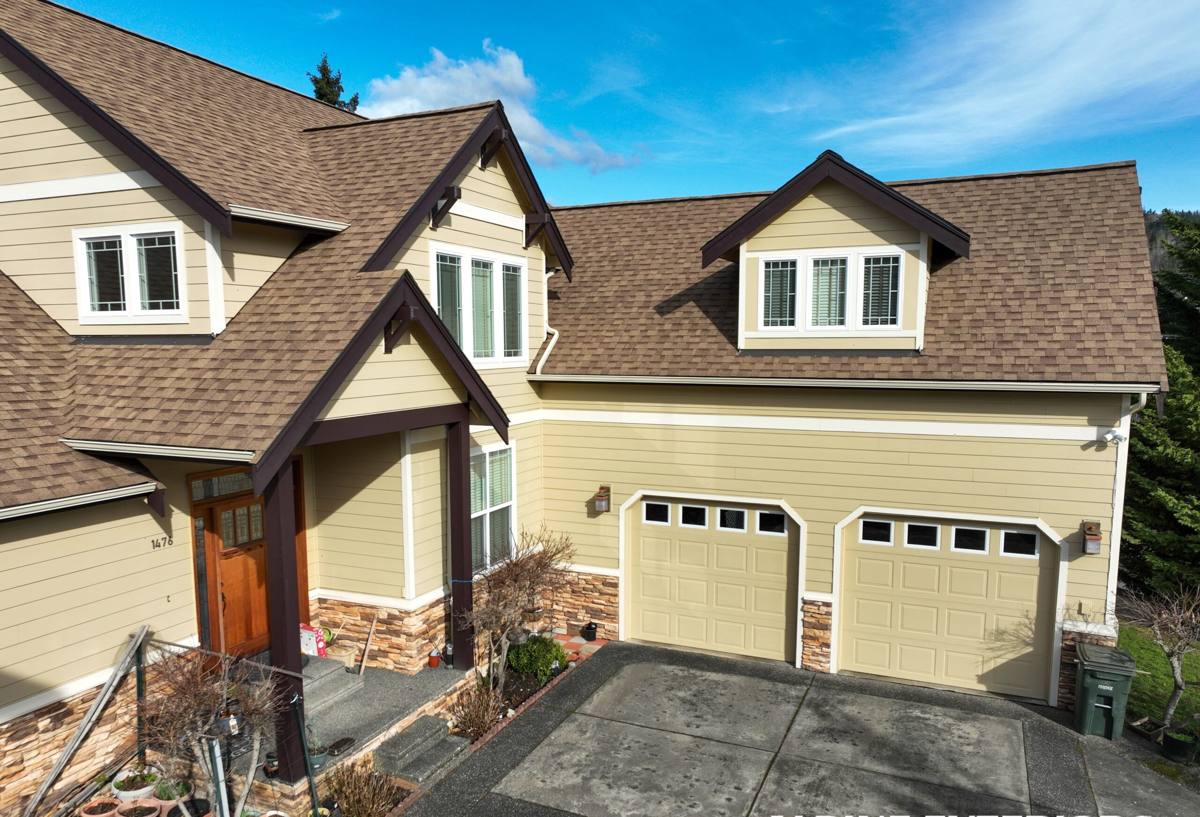
Why Roofs Age Faster Near the Bay
Homes further inland deal with heat and rain like everywhere else in Florida. Homes closer to the water — which describes much of St. Petersburg, including Euclid-St. Paul — get an extra layer of stress on top of that:
- Salt air corrosion — airborne salt accelerates the breakdown of exposed metal: nail heads, flashing, vent boots, and fastener systems all corrode faster than they would inland.
- Intense, year-round UV — Florida's sun doesn't take a season off. UV exposure dries out asphalt shingle oils and breaks down lesser underlayments over time, which is why the underlayment choice matters as much as the shingle itself.
- Wind-driven rain — during tropical storms and hurricanes, rain doesn't just fall, it's pushed sideways and up under roof edges, ridge caps, and anywhere flashing isn't sealed properly.
- Hurricane-force wind uplift — Pinellas County building code exists specifically because sustained coastal winds will find every weak fastening pattern and every under-nailed shingle.
None of this means a roof here is doomed to fail early — it means the materials, fastening, and flashing details have to be chosen and installed with this specific combination of stresses in mind, not just a generic "Florida roof" approach.
Signs a Euclid-St. Paul Home Needs a New Roof
Roof replacement is a big-ticket decision, so it's worth knowing what actually points to a full replacement versus a repair:
- Shingles that are cupping, curling, or missing granules in wide patches, not just isolated spots
- Multiple past repairs in different areas of the roof, suggesting the underlayment is failing broadly
- Visible daylight through the attic decking, or damp insulation after normal rain (not just a hurricane)
- A roof that's 18-25+ years old for asphalt shingle, or nearing the end of its rated life for other materials
- Difficulty getting affordable insurance coverage or a wind mitigation discount because of roof age or condition
- Visible sagging along the roofline, which can indicate deck or truss issues underneath
If a roof is only showing isolated damage — a few cracked shingles, one damaged flashing point — a repair is usually the honest recommendation. We'll tell you that during the inspection rather than push a full replacement a home doesn't need yet.
What a Correct Roof Replacement Involves
A new roof is only as good as what's underneath the shingles or panels. In a coastal-influenced area like this, the details below matter more than the brand name on the shingle wrapper.
Tear-Off and Deck Inspection
Full removal of the old roofing down to the deck, followed by an actual inspection of every sheet of decking — not a quick glance. Years of slow leaks or attic humidity can soften OSB or plywood in ways that aren't visible from the ground or even the attic. Soft or delaminated decking gets replaced before anything new goes down; installing over a compromised deck just moves the problem a few years down the road.
Underlayment
This is the layer that actually keeps water out if wind ever lifts a shingle edge — which, near the bay, it eventually will during a strong enough event. We use synthetic or self-adhering underlayment systems rated for high-wind, high-UV coastal exposure rather than the thinnest code-minimum felt.
Fastening Pattern
Pinellas County's wind-borne debris region requirements set minimum nailing patterns and fastener counts for a reason. We follow the fastening schedule the material manufacturer and local code require for this wind zone — not a builder-grade minimum — because under-fastened shingles are one of the most common causes of post-storm roof failure.
Flashing Details
Chimneys, sidewalls, valleys, and any roof penetration (vent stacks, exhaust fans) are common failure points, especially once salt air starts working on older metal flashing. New flashing, properly lapped and sealed, at every one of these transitions — not just where the old flashing looked bad.
Ventilation
Proper intake and exhaust ventilation keeps attic temperatures and moisture in check, which protects the underside of the new decking and helps the shingles hit their expected service life instead of cooking prematurely under Florida sun.
Material Options and Trade-Offs
There isn't one "correct" roofing material for every home in Euclid-St. Paul — it depends on the roof's slope, the home's structure, budget, and how long you want to go before the next replacement. Here's an honest comparison of the common options for this area:
| Material | Typical Lifespan Here | Coastal Considerations |
|---|---|---|
| Architectural asphalt shingle | 18-25 years | Most affordable upfront; needs a wind-rated shingle and correct nailing pattern for this zone; UV-resistant granules help slow fading and brittleness |
| Metal (standing seam) | 40-50+ years | Excellent wind performance when properly fastened; use of corrosion-resistant fasteners and coatings matters near salt air; higher upfront cost |
| Tile (concrete or clay) | 40-50+ years | Heavy — must confirm structure can support it; strong wind performance when fastened per code; underlayment quality is critical since tile itself isn't fully watertight |
| Flat/low-slope (modified bitumen, TPO) | 15-20 years | Common on additions, porches, or portions of a roofline; seam quality and drainage slope are what determine whether these hold up to heavy rain |
We'll walk through which of these fits your specific roof structure, budget, and how long you plan to stay in the home — there's no upsell pressure toward the most expensive option if a well-installed asphalt system is the right call.
Our Process for Euclid-St. Paul Roof Replacements
- Inspection and honest assessment — we get on the roof (not just look from the ground), check the attic, and tell you plainly whether you need a repair or a full replacement.
- Written scope and material selection — a clear, itemized plan covering tear-off, decking, underlayment, flashing, ventilation, and the specific material and fastening schedule we'll use.
- Permitting — pulled through the City of St. Petersburg / Pinellas County as required, so the finished roof is inspected and documented — which matters for insurance and resale, not just code compliance.
- Tear-off and deck repair — full removal, deck inspection, and replacement of any compromised sheathing before anything new goes on.
- Installation — underlayment, flashing, and roofing material installed to the fastening and sealing standards this wind zone calls for.
- Cleanup and final walkthrough — magnetic sweep for nails, debris removed, and a walkthrough so you can see the finished work and ask questions before we consider the job done.
Insurance, Permitting, and Wind Mitigation
A new roof in St. Petersburg often affects your homeowner's insurance in ways worth knowing about before you start. A properly permitted, code-compliant roof can qualify for a new wind mitigation inspection, which can lower premiums — sometimes meaningfully, given how much Florida coastal insurers weigh roof age and fastening method. We provide the documentation (permit records, material specs, completion paperwork) you'll need to hand to your insurance agent or a wind mitigation inspector afterward. This isn't something we can guarantee will change your premium — that's between you and your insurer — but doing the job to code and keeping the paperwork straight is what makes that conversation possible in the first place.
What to Check Before You Choose a Roofing Contractor
Because roofing failure is expensive and often not obvious until a storm exposes it, it's worth being deliberate about who does this work:
- Confirm active Florida roofing licensure and insurance — ask to see it, don't just take it on faith
- Ask specifically about the fastening pattern and underlayment they plan to use, not just the shingle brand
- Get the scope of work in writing, including decking replacement terms (per-sheet pricing should be spelled out up front, not negotiated mid-job)
- Ask whether they pull their own permits and coordinate their own inspections
- Ask how they handle unexpected deck damage discovered during tear-off — this should never be a surprise line item with no explanation
- Look for a crew that's actually worked in this part of St. Petersburg before and understands the local wind and salt exposure, not just a general Florida roofing pitch
A crew that already knows Euclid-St. Paul and the surrounding St. Petersburg neighborhoods isn't guessing at what this climate does to a roof over time — they've seen which details hold up and which ones don't, on homes very much like yours.
Timeline and What to Expect
Most single-family roof replacements in this area take one to a few days of active work once material is on site, weather permitting — Florida's afternoon storms can push a schedule by a day here and there, and we'll communicate that in advance rather than let it be a surprise. Material lead times vary more than labor time does, especially for tile or standing seam metal, so we'll give you a realistic start date rather than an optimistic one.
Ready for a Straight Answer on Your Roof?
If your roof in Euclid-St. Paul is showing its age, was damaged in a storm, or you're just trying to plan ahead before the next hurricane season, we're happy to take a look and give you an honest read — repair, or replace, and why. Use the form below to request a free, no-pressure estimate.