 St. Petersburg Window
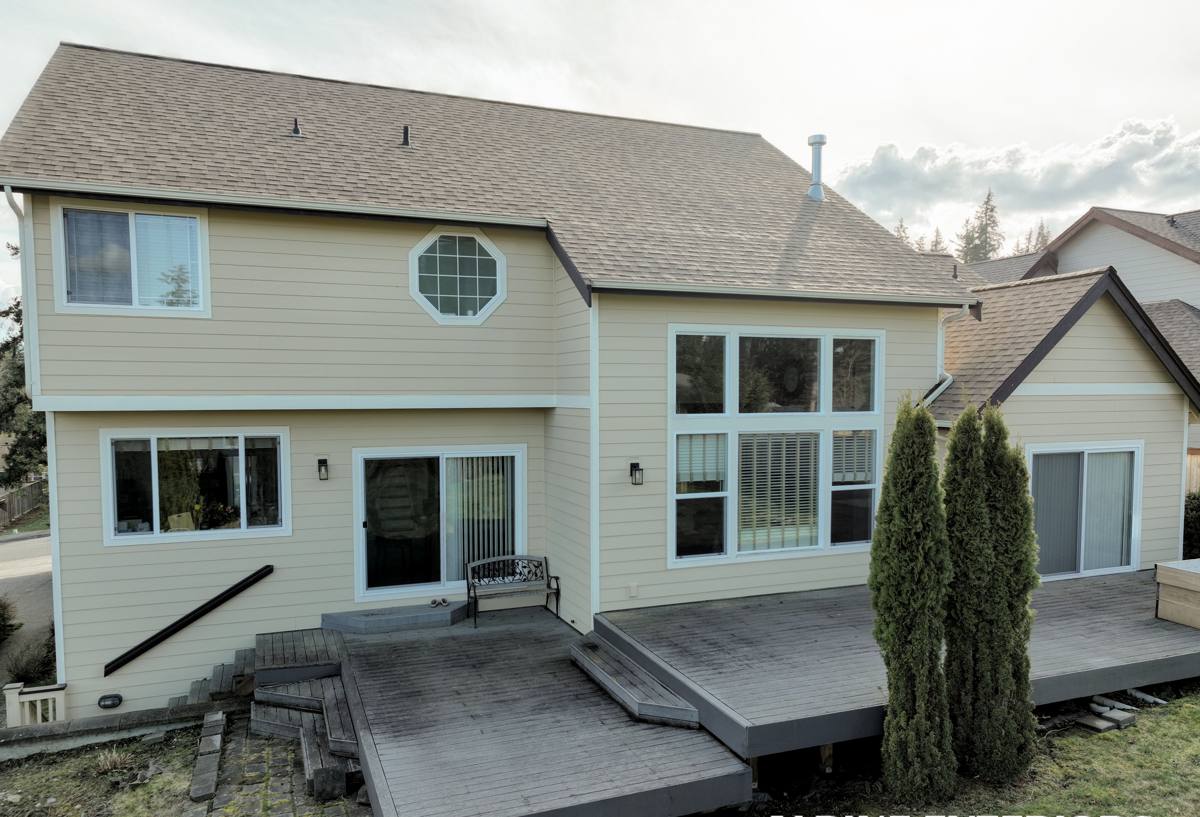
 Deck Building on Coquina Key: A Different Job Than Inland Florida
Coquina Key sits on the water. Most homes here back up to a canal or open water, which means a deck isn't just an outdoor living upgrade — it's a structure that has to survive direct salt spray, near-constant humidity, and whatever the next tropical system throws at it. A deck built the same way you'd build one three miles inland, away from the water, tends to show corrosion, fastener failure, and surface breakdown years before it should. Building correctly here starts with treating the site as a marine-exposure job, not a standard backyard project.
That distinction shapes almost every decision on the job: what hardware goes into the frame, how the footings are set, what decking surface actually holds up, and how the structure ties into the house. We've built and repaired decks throughout St. Petersburg and Pinellas County long enough to know which shortcuts show up as callbacks two summers later.
What Coastal Exposure Does to a Deck Over Time
Salt Air and Corrosion
Airborne salt from the surrounding water settles on every exposed surface, including metal that's supposedly rated for outdoor use. Standard galvanized fasteners and connectors can start rusting within a couple of years in a canal-front setting. Once a fastener corrodes, it loses holding strength long before it looks obviously bad, which is the real danger — the deck can seem fine while the connections underneath are quietly weakening.
UV and Wind-Driven Rain
Florida sun is intense and constant, and it breaks down wood fibers, fades composite color, and dries out sealants faster than most homeowners expect. Add wind-driven rain — rain pushed sideways and up under rail caps, ledger boards, and stair stringers during storms — and you get moisture intrusion in spots a normal rainfall would never reach. That combination is why decks in this area rot from the inside of joints and connections, not just the top surface.
Hurricane-Force Wind Loads
Pinellas County sits in a high-wind design zone, and a deck attached to your house has to resist uplift and lateral forces during a storm, not just hold up a cookout. Railings, stair guards, and the ledger connection to the house are the parts most likely to fail under wind load if they weren't sized and fastened correctly in the first place.
What a Correctly Built Deck Involves
Engineering and Permits
Any new deck or significant rebuild in St. Petersburg requires a permit, and depending on size, height, and attachment to the house, it may need engineered plans showing footing size, joist spans, and connection details rated for local wind speeds. On Coquina Key specifically, many lots fall within flood zones that add elevation and setback considerations, especially for decks near a seawall or canal bank. We pull the permit, handle the plan review, and schedule the required inspections — that's part of the job, not an add-on.
Framing and Hardware
This is where most corner-cutting happens on cheap deck jobs, and it's the part homeowners can't easily inspect once the decking is down. For anything close to the water, we specify stainless steel or heavy hot-dip galvanized fasteners and structural connectors — not the standard-coated hardware that's fine for an inland yard but starts failing in a salt-air environment within a few seasons. Ledger boards get proper flashing to keep water from tracking behind them into the house's wall structure, and joist hangers, post bases, and hurricane ties are sized to the engineered load, not guessed at.
Footings and Posts
Footing depth and diameter depend on soil conditions and the load the deck carries, and on waterfront lots the water table is often close to the surface, which affects how footings are formed and poured. Posts get post bases that keep the wood off direct concrete contact, reducing the wicking that leads to rot at the base — a small detail that makes a real difference in a humid, wet-soil environment.
Choosing the Right Decking Surface
The decking material is the most visible decision, but the right choice depends on how close you are to the water, how much sun the deck gets, and how much upkeep you actually want to do. Here's how the common options compare for a Coquina Key setting specifically:
| Material | Upfront Cost | Salt Air / UV Durability | Maintenance | Typical Lifespan |
|---|---|---|---|---|
| Pressure-Treated Wood | Lowest | Fair — needs sealing to resist salt and sun | Annual cleaning and re-sealing | 10-15 years with upkeep |
| Tropical Hardwood | Higher | Good — naturally dense, but still needs periodic oiling | Regular oiling to prevent graying and checking | 20+ years with upkeep |
| Capped Composite | Mid-to-high | Very good — resists salt staining and UV fade well | Occasional washing, no sealing/staining | 25-30 years |
| PVC Decking | Highest | Excellent — doesn't absorb moisture or salt | Washing only | 30+ years |
None of these is automatically "the right one." A budget-conscious homeowner who's willing to reseal wood every year gets real value out of it; a homeowner who wants to spend a Saturday relaxing instead of maintaining usually comes out ahead with composite or PVC despite the higher upfront cost. What matters is choosing with the water and sun exposure in mind, not just the sample board in a showroom.
Our Deck Building Process
- Site visit and consultation — we look at your yard's exposure, existing drainage, proximity to the canal or seawall, and how the deck will tie into the house.
- Design and material selection — layout, railing style, and decking material chosen based on how the space will actually be used and how much maintenance you want long-term.
- Engineering and permitting — plans drawn to meet Pinellas County and St. Petersburg code, including any flood zone or wind-load requirements for your lot.
- Construction — footings, framing, ledger flashing, and decking installed with corrosion-rated hardware throughout.
- Inspections — required city inspections scheduled and passed as part of the build, not left for the homeowner to chase down.
- Final walkthrough — we go over the finished deck with you, including basic care for whatever material you chose.
Hurricane Season and Wind-Rated Construction
A deck that looks solid can still fail in a storm if the railing posts, stair stringers, or house connection weren't built to code. We build to the wind load requirements for this part of Pinellas County, which means correctly spaced and rated fasteners at the ledger, properly braced railing posts, and connectors sized for uplift — not just gravity load. It costs more upfront than an unpermitted, undersized deck, but it's the difference between a structure that rides out a storm and one that needs to be rebuilt after it.
Why It Matters to Hire a Crew That Already Works Coquina Key
A contractor who mostly builds inland can still build you a deck — but they may not think twice about using standard hardware, skipping extra flashing at the ledger, or not accounting for flood zone elevation on a canal lot. A crew that regularly works this neighborhood already knows which fasteners hold up here, what the county expects for waterfront permits, and how to detail a ledger connection so it doesn't become a hidden moisture problem. That familiarity shows up in fewer surprises during the permit process and a deck that's still solid a decade later.
Before you hire anyone to build a deck near the water in this area, it's worth checking a few basics:
- Florida contractor license and current liability insurance
- Willingness to pull a permit and provide engineered plans when required — not "we'll skip it, it's faster"
- Stainless steel or hot-dip galvanized hardware specified for waterfront/coastal exposure
- A clear explanation of footing depth and post base details for your soil and water table
- Written scope covering decking material, railing style, and any flood zone or elevation requirements
- A warranty that specifies what's covered on workmanship versus material
If a bid comes in well below others without any of this discussed, it's usually because something on that list got skipped.
Living With a Deck in a Salt Air Environment
Even a well-built deck needs some upkeep in this climate. Rinsing off salt residue periodically, keeping gutters and drainage clear so water isn't pooling near footings, and checking railing connections after major storms all go a long way. Wood and composite surfaces benefit from an annual look-over for loose fasteners or early staining — catching a small issue before a hurricane season, not after, is what keeps a deck lasting as long as it's built to.
If you're planning a new deck or replacing one that didn't hold up to the water and wind here, we're happy to take a look and talk through what your lot actually needs. Fill out the form below for a free, no-pressure estimate.