 St. Petersburg Window
 Building Decks for a Waterfront Pinellas County Neighborhood
Shore Acres sits close to Tampa Bay, and that proximity to the water shapes almost every decision that goes into a deck built here. Salt-laden air moves through the neighborhood daily, humidity stays high most of the year, and the same canals and open water that make the area desirable also mean homes take on wind-driven rain and storm exposure that inland St. Petersburg properties don't see as often. A deck built to a generic national spec, without accounting for that environment, tends to show corrosion, fastener failure, and finish breakdown years before it should.
Custom decks in this neighborhood aren't just about layout and looks. They're about picking a structural system, hardware, and decking material that can sit in salt air and Florida sun for decades without turning into a maintenance headache — and building it to hold up when a tropical system rolls through.
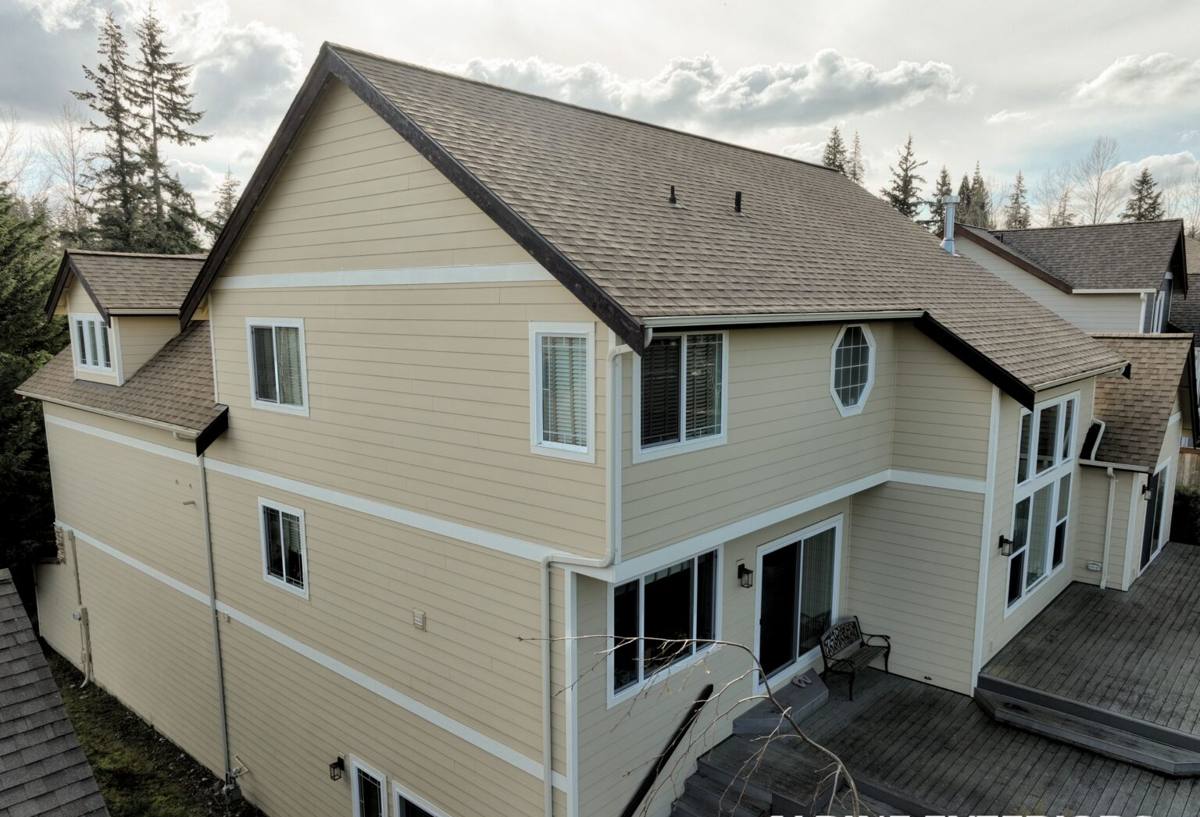
What the Coastal Climate Actually Does to a Deck
Salt Air and Corrosion
Airborne salt from Tampa Bay accelerates corrosion on any metal component that isn't rated for coastal exposure. Standard zinc-coated screws, brackets, and joist hangers can start rusting within a couple of seasons this close to the water. Once a fastener corrodes, it loses holding strength long before the wood or composite around it shows any obvious damage, which is why so many deck failures in coastal Pinellas County neighborhoods start with hardware, not decking boards.
Intense, Year-Round UV
Florida sun is strong for most of the year, not just in summer. UV breaks down wood fibers, fades stains and sealers, and degrades the surface resins in lower-grade composite decking. A deck built without UV-stable materials and finishes will grey, chalk, or crack faster here than the same product would in a milder climate.
Wind-Driven Rain and Storm Exposure
Hurricane-force wind doesn't just push a structure sideways — it drives rain sideways and upward, forcing water into joints, ledger connections, and fastener holes that would stay dry in a normal rainstorm. Decks attached to the house need flashing and drainage details that account for that, not just a plain ledger board bolted to the rim joist.
Decking Materials: What Holds Up Near the Water
There's no single "best" decking material for every home — it depends on budget, maintenance tolerance, and how close the deck sits to open water. Here's how the common options compare for a Shore Acres property.
| Material | Coastal Durability | Maintenance | Typical Trade-Offs |
|---|---|---|---|
| Pressure-treated wood | Good if properly sealed and maintained | Needs re-sealing every 1-2 years in this climate | Lowest upfront cost; most sensitive to neglect near salt air |
| Tropical hardwoods | Very good natural resistance to moisture and insects | Periodic oiling to maintain color and prevent surface checking | Higher material cost; installation is less forgiving |
| Capped composite | Excellent — resists moisture, salt, and UV fading | Occasional washing, no sealing or staining | Higher upfront cost, but stable long-term |
| Uncapped composite | Fair — older formulations can absorb moisture at cut edges | Low, but more prone to mold in shaded, humid areas | Mid-range cost; we specify capped products for this reason |
| PVC decking | Excellent — fully synthetic, unaffected by salt or moisture | Very low | Higher cost; can run hotter underfoot in direct sun |
We don't push one product line on every job. What we won't do is install materials that we know will fail early in a salt-air environment just because they're cheaper up front — that's a callback waiting to happen, and it's not the standard we hold our own work to.
Structure and Hardware: Where Decks Actually Fail
Framing and Fasteners
The framing underneath the decking is where a coastal deck earns its keep. We use stainless steel or hot-dip galvanized fasteners and connectors rated for exterior, coastal-grade exposure — not the standard zinc-coated hardware sold for general-purpose framing. The cost difference on fasteners for a typical deck is small; the cost difference in avoiding a rebuild in ten years is not.
Ledger Attachment and Flashing
Where the deck attaches to the house is the single most common source of hidden water damage. Proper flashing — installed so water sheds away from the house framing rather than behind the ledger board — is non-negotiable on every attached deck we build, especially given how much wind-driven rain a coastal storm can push into that joint.
Footings and Soil
Pinellas County's sandy, water-table-influenced soil behaves differently than inland clay soils. Footing depth and sizing need to account for local soil conditions and the area's flood zone requirements, which is part of why permitting and engineering matter as much as the visible carpentry.
Permitting and Code Requirements
Decks attached to a home in St. Petersburg require a building permit, and Pinellas County's coastal location means wind load and connection details get real scrutiny during plan review and inspection. A deck built without a permit might look fine on day one, but it can create real problems at resale — buyers' inspectors and insurance underwriters both check for permitted work, and unpermitted decking is a common flag on coastal Florida homes.
We pull permits, schedule the required inspections, and build to the connection and fastening details the local code office expects. That's part of the job, not an upsell.
Our Process for a Shore Acres Deck Project
- On-site assessment: we look at the existing structure (if replacing a deck), the ledger connection point, soil conditions, and how exposed the site is to prevailing wind and sun.
- Design and material selection: we walk through decking, railing, and hardware options with honest trade-offs for your budget and how close you are to the water.
- Permitting: we handle plan submission and permit pull with the city or county, including any engineering documentation required for the framing and connections.
- Construction: footings, framing, flashing, decking, and railing installed in that order, with coastal-rated hardware throughout.
- Inspection and walkthrough: we schedule required inspections and walk the finished deck with you before calling the job complete.
Maintaining a Deck in a Salt-Air Environment
Even the right materials need some upkeep near Tampa Bay. A short seasonal checklist goes a long way toward protecting the investment:
- Rinse salt residue and debris off decking boards periodically, especially after storms
- Inspect fasteners and railing hardware annually for early signs of corrosion or loosening
- Re-seal or re-stain wood decking on the schedule the product calls for — don't wait for visible fading
- Check the ledger flashing and any gaps where the deck meets the house for signs of water staining
- Keep gutters and downspouts near the deck clear so runoff doesn't pool against framing or footings
- Trim back vegetation that traps moisture against the deck surface or substructure
Why Local Experience in Shore Acres Matters
A contractor who mostly builds decks inland doesn't run into the same problems every day that we see working waterfront Pinellas County neighborhoods like Shore Acres. Knowing which fastener grade holds up here, how the local permitting office reviews coastal connection details, and how a ledger flashing detail needs to change for wind-driven rain isn't something you learn from a spec sheet — it's something you learn from doing the work in this exact environment, repeatedly, and seeing what holds up and what doesn't.
That local track record is also why we're comfortable standing behind the materials and methods we recommend. We're not guessing at what performs near the bay — we're building on what we've already seen work.
What a Deck Project Typically Costs to Get Right
Every deck is priced on its own footprint, framing complexity, and material choice, so we won't put a number on your project until we've seen the site. What we can tell you is which factors move the price the most:
| Cost Factor | Why It Matters |
|---|---|
| Decking material | Pressure-treated wood costs less upfront; capped composite and PVC cost more but need far less maintenance in this climate |
| Deck height and footings | Elevated decks and difficult soil conditions require more structural framing and deeper footings |
| Railing system | Cable, aluminum, and glass railing all cost more than standard baluster railing but resist salt-air corrosion differently |
| Attachment type | An attached deck needs ledger flashing work; a freestanding deck avoids that but needs its own full footing system |
| Permitting and engineering | Larger or elevated decks may require engineered plans, which adds cost but is required for code compliance |
If you're planning a new deck or replacing one that's showing its age, we're happy to take a look and put together a free, no-pressure estimate — just fill out the form below and we'll get in touch.