 St. Petersburg Window
 Building a Deck That Actually Holds Up in Old Northeast
Old Northeast is one of St. Petersburg's older, more established neighborhoods, with mature tree canopy, older housing stock, and a location close enough to Tampa Bay that salt-laden air and afternoon storms are simply part of life here. That combination is tough on outdoor structures. A deck in this part of Pinellas County isn't just furniture for the backyard — it's a structure that has to survive intense year-round UV, wind-driven rain, hurricane-force gusts during storm season, and the slow corrosion that salt air causes on fasteners and hardware. Homes here often have mature trees close to the house, which means shade and moisture retention are also part of the equation, not just sun exposure.
We build and repair decks for homeowners throughout St. Petersburg, and Old Northeast comes with its own set of considerations because of its age, tree cover, and proximity to the water. A deck built the same way you'd build one in a drier, inland climate will not last as long here. The materials, fasteners, footings, and even the spacing between boards all need to account for what this specific environment does to wood and metal over time.
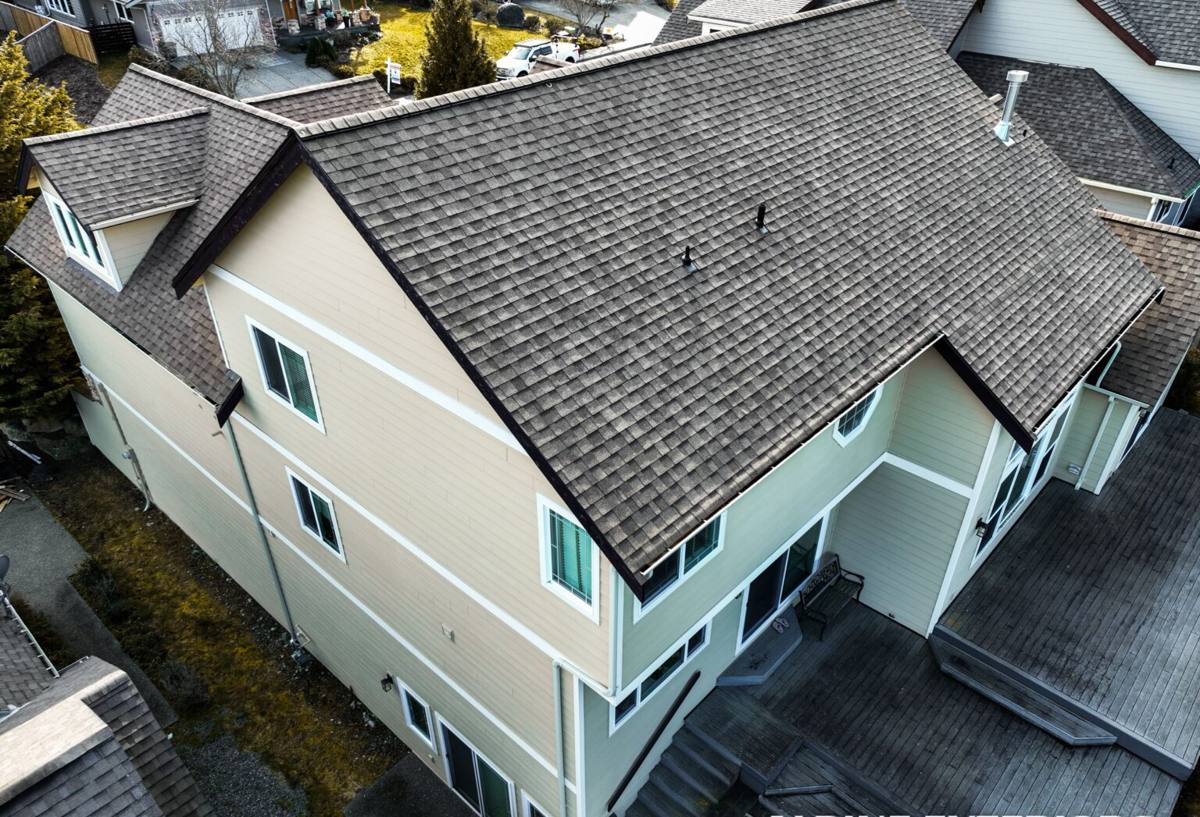
What Old Northeast Homes Need From a Deck
Every deck we build in this neighborhood has to answer to the same set of local stressors:
- Humidity and moisture cycling — Florida's wet season keeps decking damp for extended stretches, which accelerates rot in untreated or poorly sealed wood and promotes mold and mildew on any surface that doesn't drain and dry quickly.
- Salt air corrosion — Even homes not directly on the water pick up airborne salt from Tampa Bay and the Gulf, which speeds up rust on standard fasteners, brackets, and hardware.
- Intense, near-constant UV — Florida sun bleaches and dries out wood fiber and breaks down lower-grade composite and PVC formulations faster than in most other parts of the country.
- Wind load — Hurricane-force gusts put real lateral and uplift stress on a deck's structure, railing, and connection points, not just the surface decking.
- Tree cover and shade — Mature oaks common in older St. Petersburg neighborhoods mean parts of a deck may stay damp longer after rain, which changes how we think about drainage and material choice in shaded zones.
None of these are exotic problems — they're standard Gulf Coast conditions — but they add up differently on an older lot with established trees than they do on a new-construction property with full sun and open sightlines.
Choosing the Right Decking Material
There's no single "best" decking material for every situation. The right choice depends on budget, how much maintenance you're willing to do, sun versus shade exposure, and how close the property is to the water. Here's how the common options actually compare in this climate:
| Material | How It Holds Up Here | Maintenance | Typical Lifespan Locally |
|---|---|---|---|
| Pressure-treated pine | Affordable, but needs consistent sealing to resist Gulf humidity and UV; can warp or split if maintenance lapses | Annual cleaning and re-sealing recommended | 10-15 years with upkeep |
| Tropical hardwoods (e.g., ipe) | Naturally dense and rot-resistant; performs very well in humidity but is heavier and pricier | Periodic oiling to maintain color; low rot risk even without it | 25+ years |
| Capped composite | Strong UV and moisture resistance from the cap layer; consistent performance in sun and shade | Occasional washing, no sealing or staining | 25-30 years |
| Uncapped/lower-grade composite | More prone to fading, moisture absorption, and mold in humid, shaded areas | Regular cleaning to prevent mildew staining | 15-20 years |
| PVC decking | Fully synthetic, doesn't absorb moisture; performs well near salt air | Minimal — occasional washing | 25-30 years |
Our general standard is to steer homeowners away from uncapped, lower-grade composite in shaded or humid yard conditions — not because the product category is bad, but because in a heavily treed, humid neighborhood it needs more diligence to avoid moisture staining and mildew than most people want to keep up with. Capped composite, PVC, and well-maintained hardwood or treated pine each have a legitimate place depending on your budget and how much hands-on maintenance you want to do.
What a Correctly Built Deck Involves
Footings and Foundation
Everything starts below grade. Footings need to be sized and set to local frost-free, sandy-soil conditions and to the wind and load requirements in Pinellas County's building code. Undersized or shallow footings are one of the most common causes of a deck that develops sway or settling within a few years.
The Ledger Connection
Where a deck attaches to the house is the single most important — and most commonly mishandled — connection point. It has to be properly flashed to keep water from tracking behind the siding and into the wall framing, and fastened with corrosion-resistant hardware rated for the load. A poorly flashed ledger is a slow leak waiting to happen, and it's often invisible until there's already damage behind the wall.
Fasteners and Hardware
In a salt-air environment, standard zinc-coated fasteners corrode faster than they should. We use stainless steel or heavily coated, corrosion-rated fasteners and connectors throughout, especially at structural joints and railing posts, because that's where a failure actually matters.
Railing and Guard Systems
Railings need to meet code for height and baluster spacing, and the posts need a connection to the frame that can handle real lateral force — not just cosmetic screws into the rim joist. This matters more in a hurricane-wind area than in most parts of the country.
Board Spacing and Drainage
Proper gapping between deck boards lets water and debris pass through instead of pooling, which matters a great deal under tree canopy where leaves and moisture collect. We also account for airflow underneath the deck so the substructure can dry out between rain events.
Permitting and Local Code in Pinellas County
Deck construction in St. Petersburg generally requires a building permit, and inspections are part of the process for structural elements like footings and framing. Wind load requirements in this part of Florida are more stringent than in many other states, which affects how railings, posts, and connections are engineered. We handle the permitting and inspection coordination as part of the project so homeowners aren't left navigating that process alone — it's a normal part of doing the work correctly, not an extra hurdle.
Our Deck Building Process
1. On-Site Assessment
We walk the property, look at sun and shade exposure, existing drainage patterns, tree proximity, and how the deck will tie into the house, then talk through material options that fit your budget and maintenance preferences.
2. Design and Material Selection
We size the structure to the load and wind requirements for the area and help you weigh the material comparison honestly — including what a lower-cost option will actually cost you in maintenance over time.
3. Permitting
We prepare and submit what's needed for permit approval and schedule the required inspections so the project stays on track.
4. Construction
Footings, framing, ledger flashing, decking, and railing are installed in sequence, with attention to the connection points that matter most in this climate — the ledger, the footings, and the railing posts.
5. Final Walkthrough
We go over the finished deck with you, cover basic care for whatever material you chose, and make sure everything meets both code and your expectations before we consider the job done.
Maintenance in a Salt Air, High-UV Climate
Whatever material you choose, a little seasonal attention goes a long way in this climate. A simple annual checklist:
- Rinse the deck surface periodically to clear salt residue, pollen, and organic debris, especially under tree canopy
- Check for standing water or slow drainage after heavy rain and clear any blocked gaps
- Inspect railing posts and structural connections for looseness, especially after storm season
- For wood decking, reseal or stain on the manufacturer's recommended schedule — don't wait for visible graying or cracking
- Look underneath the deck occasionally for signs of moisture buildup or pest activity around the substructure
- Wipe down or wash hardware and railing connectors if you notice early rust staining
Why Hire a Crew That Already Works in Old Northeast
A deck built by someone unfamiliar with St. Petersburg's specific mix of humidity, salt air, tree cover, and wind code requirements is more likely to develop problems early — a ledger that leaks, hardware that rusts prematurely, or a railing that wasn't engineered for local wind loads. Working regularly in this neighborhood means we already know how mature tree canopy affects drainage decisions, how close to the water changes fastener requirements, and what Pinellas County inspectors expect to see. That familiarity shows up in fewer surprises during the build and a deck that's still solid a decade or two later, not just on installation day.
If you're considering a new deck or need an older one evaluated for how well it's holding up, we're happy to take a look. Reach out for a free, no-pressure estimate using the form below.