 St. Petersburg Window
 Building a Deck That Actually Holds Up in Pinellas Point
Pinellas Point sits on the water side of St. Petersburg, which means a deck out here works harder than the same deck would almost anywhere inland. It's exposed to Tampa Bay's salt-laden air, direct year-round sun, wind-driven rain off the water, and the real possibility of hurricane-force gusts during storm season. A deck built to generic specs — the kind you'd see in a big-box how-to guide written for a dry, mild climate — starts failing here years before it should: fasteners bleed rust, boards cup and gray, railings loosen, and ledger connections that weren't flashed correctly let water into the house framing. Building a deck correctly in Pinellas Point isn't about upgrading for looks. It's about matching the structure and materials to what this specific stretch of Pinellas County throws at it.
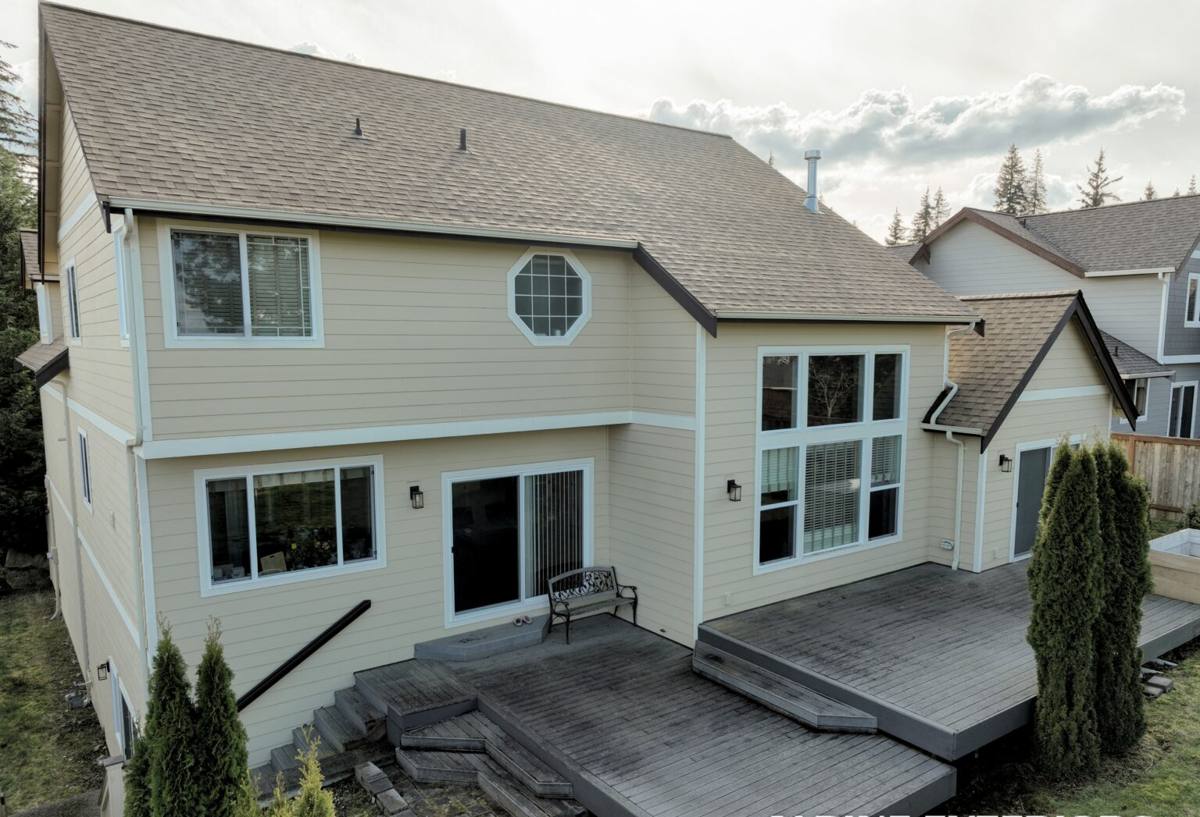
What This Climate Actually Does to a Deck
Before getting into materials and process, it helps to understand the specific stresses at play, because they drive nearly every decision that follows.
Salt Air and Corrosion
Homes near Tampa Bay and Boca Ciega Bay live in a salt-air environment even when they're not directly waterfront. Salt is hygroscopic — it pulls moisture out of the air and holds it against metal — which accelerates corrosion on anything that isn't rated for coastal exposure. Standard electro-galvanized screws, joist hangers, and bolts can start showing rust streaks within a year or two out here.
UV Exposure
Florida sun is intense and nearly year-round, not seasonal. Wood decking without UV-stable finish grays and dries out fast, and lower-grade composite boards can fade unevenly depending on which parts get full sun versus shade from railings or structures.
Wind-Driven Rain
Storms here don't just drop rain — they push it sideways and up under boards, around railing posts, and into any gap in ledger flashing. A deck that isn't detailed for wind-driven rain will trap moisture in places a normal rain shower would never reach, which is where rot and hidden framing damage start.
Hurricane and High Wind Loads
Pinellas County is squarely in a high-wind design zone under the Florida Building Code. Railings, guard posts, and the connection between the deck and the house need to be engineered to resist uplift and lateral loads, not just support foot traffic.
Choosing the Right Decking Material for Pinellas Point
There's no single "best" decking material — the right choice depends on budget, how much maintenance you're willing to do, and how close to the water your home sits. Here's how the common options actually compare in this climate:
| Material | How it handles salt air & UV | Maintenance | Typical lifespan here |
|---|---|---|---|
| Pressure-treated wood | Needs sealing/staining to resist UV graying and moisture cycling; fasteners must be coastal-rated | Re-seal every 1-2 years | 10-15 years with upkeep |
| Capped composite | Strong UV and moisture resistance from the protective cap layer; doesn't absorb salt moisture like wood | Periodic washing, no sealing | 20-25+ years |
| Uncapped/basic composite | More prone to surface fading and moisture wicking at cut edges over time | Occasional cleaning, edge sealing recommended | 15-20 years |
| PVC decking | Excellent moisture and salt resistance; won't rot or absorb water | Low; occasional washing | 25+ years |
| Aluminum decking | Very high corrosion resistance when properly coated; cool underfoot trade-off in direct sun | Very low | 25-30+ years |
For most Pinellas Point homeowners, we steer the conversation toward capped composite or PVC decking for the walking surface, paired with coastal-rated hardware underneath. Pressure-treated wood still has a place, especially for framing and for homeowners who prefer the look and lower upfront cost of real wood — but we're upfront that it asks more of you in upkeep out here, and we won't oversell a low-maintenance claim that doesn't hold up on a bay-exposed lot.
Framing, Fasteners, and Footings: The Part You Don't See
The decking surface gets all the attention, but the framing underneath is what determines whether a deck survives its first real storm season. This is also where corner-cutting is easiest to hide and most expensive to fix later.
Fasteners and Connectors
We use stainless steel or heavy hot-dip galvanized fasteners and joist hangers rated for coastal/ACQ-treated lumber contact — not the standard electro-galvanized hardware that's fine inland but corrodes quickly this close to the bay. Mixing incompatible metals (like the wrong screw in the wrong hanger) sets up galvanic corrosion that can weaken a connection from the inside, long before it looks bad from outside.
Ledger Attachment and Flashing
Where the deck attaches to the house is the single most common failure point we see on older decks in this area. It has to be properly flashed and sealed against wind-driven rain, with correct fastener spacing and, in many cases, lag bolts or through-bolts rather than nails. Done wrong, water works its way behind the ledger and into the house's rim joist — damage that's invisible until it's serious.
Footings and Elevation
Footing depth and post spacing need to account for both soil conditions and wind uplift, following the load tables required under the Florida Building Code for this wind zone. On lower-lying and waterfront-adjacent lots around Pinellas Point, we also factor in ground elevation and drainage so the deck substructure isn't sitting in standing water after a heavy rain event.
Permits, Codes, and Flood Zone Considerations
Deck construction in St. Petersburg requires a permit through Pinellas County or the city, and inspections at key stages — typically footings, framing, and final. This isn't paperwork for its own sake; it's what confirms the structure meets Florida's high-wind guard and railing requirements (including minimum guard height and baluster spacing designed to prevent falls) and that it's tied into the house correctly.
Because Pinellas Point includes lots close to the water, some properties fall within flood zones that affect how low structural elements like footings and ledgers can sit, and whether certain construction methods need additional review. We check this as part of the design phase, not after the fact, so there are no surprises mid-project or at final inspection.
Our Deck-Building Process
- On-site visit: We look at your home's exposure, existing structure (if replacing a deck), drainage, and how you actually plan to use the space.
- Design and material selection: We walk through decking, railing, and hardware options honestly, including trade-offs in cost and maintenance for your specific lot.
- Permitting: We handle the permit application and coordinate required inspections with the county or city.
- Demolition (if applicable): Old decking and any compromised framing is removed and hauled off.
- Framing and structural work: Footings, posts, beams, and joists go in to code, with coastal-rated fasteners and connectors throughout.
- Decking, railing, and finish work: The surface material and railing system are installed to spec, including any stairs or lighting.
- Final walkthrough: We go over the finished deck with you, including basic care specific to the material you chose.
Maintaining a Deck in a Salt Air, High-UV Climate
Even the right materials installed correctly benefit from a little seasonal attention. A short checklist we give every Pinellas Point client:
- Rinse the deck surface periodically to remove salt residue, pollen, and organic buildup, especially after storms with onshore wind
- Check railing posts and stair connections for looseness once or twice a year
- Inspect fastener heads and hardware for early rust or discoloration
- Keep gutters and downspouts near the deck clear so runoff doesn't pool against footings or ledger flashing
- Re-seal or re-stain wood decking on the schedule the product actually calls for, not just when it looks faded
- After any major storm, walk the deck and check for shifted boards, loose railings, or new gaps at the ledger before resuming normal use
Why Hiring a Crew That Already Works Pinellas Point Matters
A deck built to a generic spec sheet can look identical to a properly built one on installation day. The difference shows up two, five, and ten years later, in whether the hardware is still tight, the ledger connection is still dry, and the railings haven't loosened from wind cycling. Crews who regularly work this part of St. Petersburg know which fastener grades actually hold up on bay-exposed lots, which decking products perform honestly under this much sun, and how Pinellas County's permitting and inspection process runs in practice — not just in theory. That local experience is what keeps a deck project from turning into a series of avoidable repairs.
Deck Project Cost Factors
Every deck is priced around its own combination of size, material, and site conditions, so we don't quote a blanket number — but these are the variables that move the price most:
| Factor | Why it affects cost |
|---|---|
| Decking material | Pressure-treated wood costs less upfront than composite or PVC, but the gap narrows over the life of the deck once maintenance is factored in |
| Deck size and height | Larger decks and elevated decks (more than a step or two off grade) require more framing, footings, and often stairs and taller railings |
| Railing system | Cable, glass, and aluminum railings cost more than standard baluster railings but need less upkeep in salt air |
| Existing structure removal | Replacing an old deck adds demolition and disposal, plus possible repair to framing or ledger areas found underneath |
| Site access and soil conditions | Difficult access or poor soil can change footing design and labor time |
| Permitting and engineering | Larger or elevated decks may require engineered drawings in addition to standard permit review |
If you're planning a new deck or need to replace one that's showing its age, we're glad to walk your property and give you a straightforward, no-pressure estimate — just fill out the form below to get started.