 St. Petersburg Window
 Deck Replacement Built for Historic Kenwood's Older Homes
Historic Kenwood's bungalows and Craftsman-style homes were mostly built in the 1920s and 1930s, long before anyone thought about wind-load ratings or moisture barriers. A lot of the decks and porches attached to these homes over the decades were add-ons, built to whatever standard was common at the time, tied into old framing that has seen nearly a century of Pinellas County weather. When we replace a deck in this neighborhood, we're not just swapping boards — we're usually correcting decades of small compromises: undersized ledger connections, joists that were never properly flashed, footings that have shifted with the sandy soil common in this part of St. Petersburg.
A deck here has to do more than look good next to a century-old house. It has to survive salt-laden air blowing in off Tampa Bay, direct summer sun for eight-plus months a year, and the wind-driven rain that comes with every named storm that brushes the Gulf coast. Get the materials or the fastening wrong, and you're looking at a soft, spongy deck in five years instead of twenty.
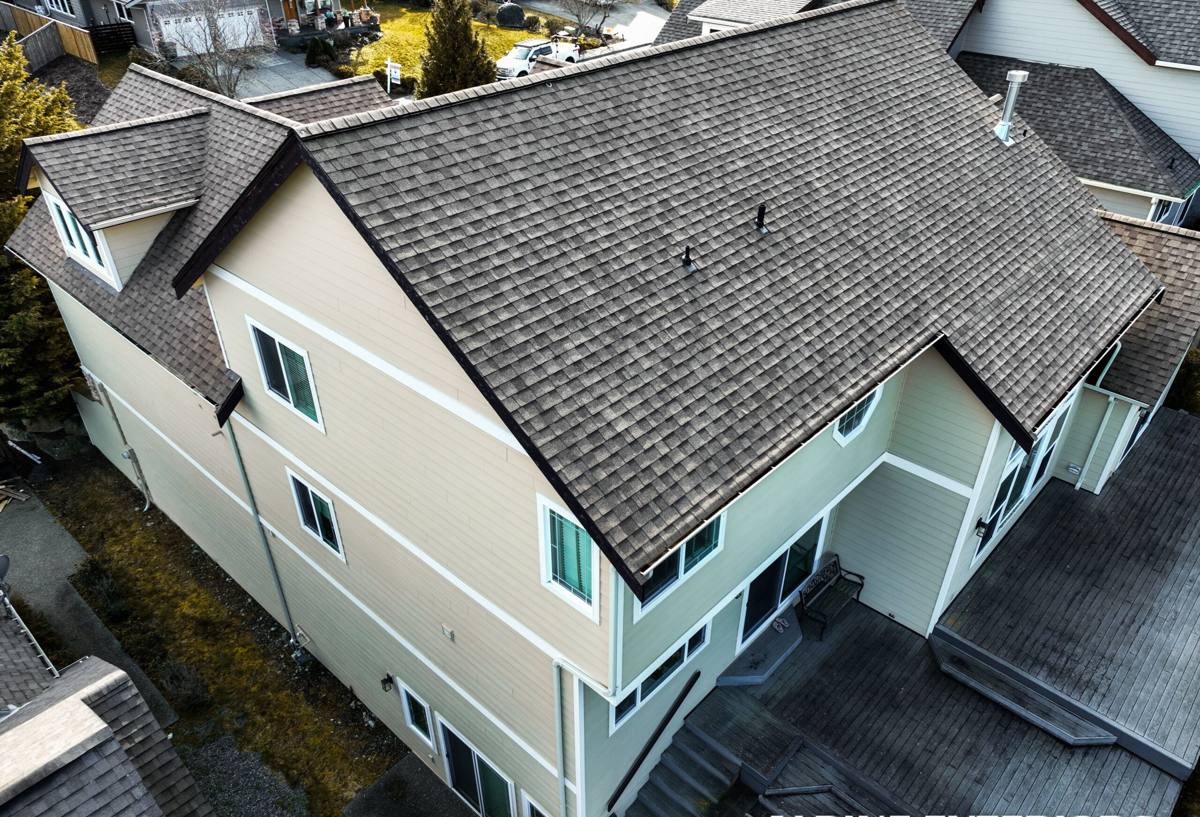
What Pinellas County Climate Does to a Deck
St. Petersburg's climate is hard on exterior wood and hardware in ways that inland homeowners never have to think about. A few specific stressors matter most for decks in Historic Kenwood:
- Salt air corrosion: Even a few miles from the water, airborne salt accelerates rust on standard fasteners, hinges, and any exposed metal hardware.
- UV exposure: Florida sun breaks down wood fibers and degrades finishes faster than almost anywhere else in the country, leading to graying, splintering, and checking.
- Wind-driven rain: Storms don't just drop rain straight down here — wind pushes water sideways into ledger boards, stair stringers, and any gap in flashing.
- Humidity and ground moisture: Consistent moisture at grade level promotes rot in footings and post bases if they aren't properly isolated from the soil.
- Hurricane-force wind loads: Attachment points — especially the ledger-to-house connection — need to be engineered for uplift and lateral loads, not just vertical weight.
None of this is unique to Kenwood specifically, but it's amplified here because so many of the homes are original construction with additions bolted on over the years. A deck replacement is a chance to fix the underlying connection points, not just the surface.
Why Ledger Attachment Matters Most
The single most common failure point we find on older St. Petersburg decks isn't the decking boards — it's the ledger board, the piece that ties the deck framing back into the house. On many older additions, this was lag-bolted into original wood siding or even directly into stucco without proper flashing or blocking. Over time, water gets behind that connection, and it rots quietly from the inside where you can't see it until the deck starts to feel loose. Every deck we build ties the ledger into solid framing with appropriate structural fasteners and proper flashing to shed water away from the house, not into it.
Decking Material Options for This Neighborhood
There's no single "right" material for every home in Historic Kenwood — it depends on the look you want, your maintenance tolerance, and budget. Here's how the common options actually perform in this climate:
| Material | Sun/Salt Performance | Maintenance | Typical Lifespan Here |
|---|---|---|---|
| Pressure-treated pine | Fair — needs sealing to resist UV and moisture cycling | Resealing every 1-2 years | 10-15 years with upkeep |
| Composite decking | Good — color-stable formulations resist fading better than wood | Occasional washing, no sealing | 20-25+ years |
| Tropical hardwoods (ipe, cumaru) | Very good — naturally dense and rot-resistant | Periodic oiling to maintain color | 25+ years |
| Cedar | Fair — attractive but softer, needs consistent sealing near salt air | Annual sealing recommended | 10-15 years with upkeep |
For most Historic Kenwood homeowners who want a period-appropriate look without constant upkeep, we steer conversations toward composite or hardwood decking for the visible surface, paired with pressure-treated or engineered lumber for the substructure where it isn't exposed to direct sun and rain. We're upfront that composite costs more up front than pine, but the maintenance savings and stability in Gulf coast humidity usually make it the better long-term value — that's a trade-off we'll walk through honestly rather than push one product because it's easier to install.
What a Correct Deck Replacement Actually Involves
A deck replacement done right in this climate isn't just pulling up old boards and screwing down new ones. Here's what we check and address on every job:
- Full structural inspection of the existing framing, posts, and footings before demo, so we know what's actually salvageable versus what needs to come out.
- Ledger board removal and inspection of the wall assembly behind it — this is where hidden rot most often shows up on older homes.
- Proper flashing installation at the ledger connection to direct water away from the house structure.
- Footing evaluation — sandy Pinellas County soil can shift over time, and undersized or shallow footings are a common issue on older additions.
- Corrosion-resistant fastener selection rated for coastal exposure, not standard interior-grade hardware.
- Framing built to current wind-load requirements, not whatever standard applied when the original deck went in decades ago.
- Decking material installed with appropriate spacing for drainage and material expansion in Florida heat.
- Railing and stair compliance checked against current code, since older decks frequently predate current railing height and baluster spacing requirements.
Permitting in St. Petersburg
Deck replacement in the City of St. Petersburg typically requires a building permit, and homes in a historic district can also have additional design review depending on visibility from the street and the scope of the work. We handle the permitting process as part of the job rather than leaving it to the homeowner to navigate — it's one less thing to worry about, and it protects you if the deck is ever inspected for a future home sale.
Our Process for a Kenwood Deck Replacement
We keep the process straightforward and communicate at each stage so there are no surprises:
- On-site assessment: We inspect the existing deck, ledger connection, framing, and footings, and talk through what we find in plain terms.
- Written estimate: A clear scope of work and cost breakdown, no vague allowances buried in fine print.
- Material selection: We walk through the decking and railing options above and help you land on what fits your home and budget.
- Permitting: We pull the necessary permits and coordinate any historic district review if applicable.
- Demo and structural repair: Old decking, framing, and any compromised ledger or footing components come out and get replaced or reinforced.
- Installation: Framing, decking, railings, and stairs go in to spec, with attention to drainage, fastener corrosion resistance, and wind-load connections.
- Final walkthrough and inspection: We confirm everything passes inspection and walk the finished deck with you before calling the job done.
Why a Crew That Already Works Historic Kenwood Matters
Every established neighborhood in St. Petersburg has its own quirks, and Kenwood is no exception — older lot layouts, mature landscaping close to the house, homes where the original framing dimensions don't match anything you'd find at a standard lumber yard today. A crew that's worked in this neighborhood before knows what to expect before they even open up the old decking: where the rot tends to hide, how the local permitting office handles historic district properties, and how to plan around narrow lots and mature trees without turning the job into a headache.
That familiarity saves time and avoids the kind of mid-project surprises that drive costs up. It also means we're not guessing at how Pinellas County's coastal climate interacts with a specific house — we're applying what we've already learned from working on homes just like it, block by block.
Deck Replacement Checklist for Kenwood Homeowners
If you're evaluating whether your deck needs full replacement versus repair, look for these signs:
- Soft or spongy spots when you walk across the decking
- Visible gaps, rust staining, or movement at the ledger board where the deck meets the house
- Loose or wobbly railings and posts
- Boards that are cupping, splitting, or graying unevenly despite regular sealing
- Visible daylight or gaps at joist connections underneath the deck
- Footings that appear to have shifted, cracked, or settled unevenly
- A deck older than 15-20 years that hasn't had structural components replaced
If you're seeing two or more of these, it's worth having someone take a real look underneath rather than just replacing the surface boards and hoping the framing holds up another decade.
Get a Free, No-Pressure Estimate
If your deck in Historic Kenwood is showing its age — or you just want an honest opinion on whether repair or full replacement makes more sense — we're happy to come take a look. There's no obligation, and we'll give you a straight answer about what your home actually needs. Use the form below to request a free estimate.