 St. Petersburg Window
 Why St. Pete Beach Decks Wear Out Faster Than Inland Decks
A deck built two blocks from the Gulf ages differently than one built ten miles inland in St. Petersburg. St. Pete Beach sits directly on a barrier island, which means every deck out here is fighting a combination of stresses that most of the country never deals with at the same time: salt-laden air corroding metal from the inside out, intense year-round UV breaking down wood fibers and fading composite boards, wind-driven rain forcing moisture sideways into joints and connections that were never designed to get wet from that angle, and periodic hurricane-force winds that put real uplift and racking loads on the structure itself.
None of these factors are dramatic on their own. The damage is cumulative. A ledger board fastener that would last twenty years in a dry inland climate can be visibly rusting in five to seven years here. A deck that looks structurally fine from the top can have joist hangers and post bases corroding underneath, out of sight, for years before anyone notices. That's the core reason deck replacement decisions in St. Pete Beach need to be made with the coastal environment in mind, not treated like a generic re-decking job.
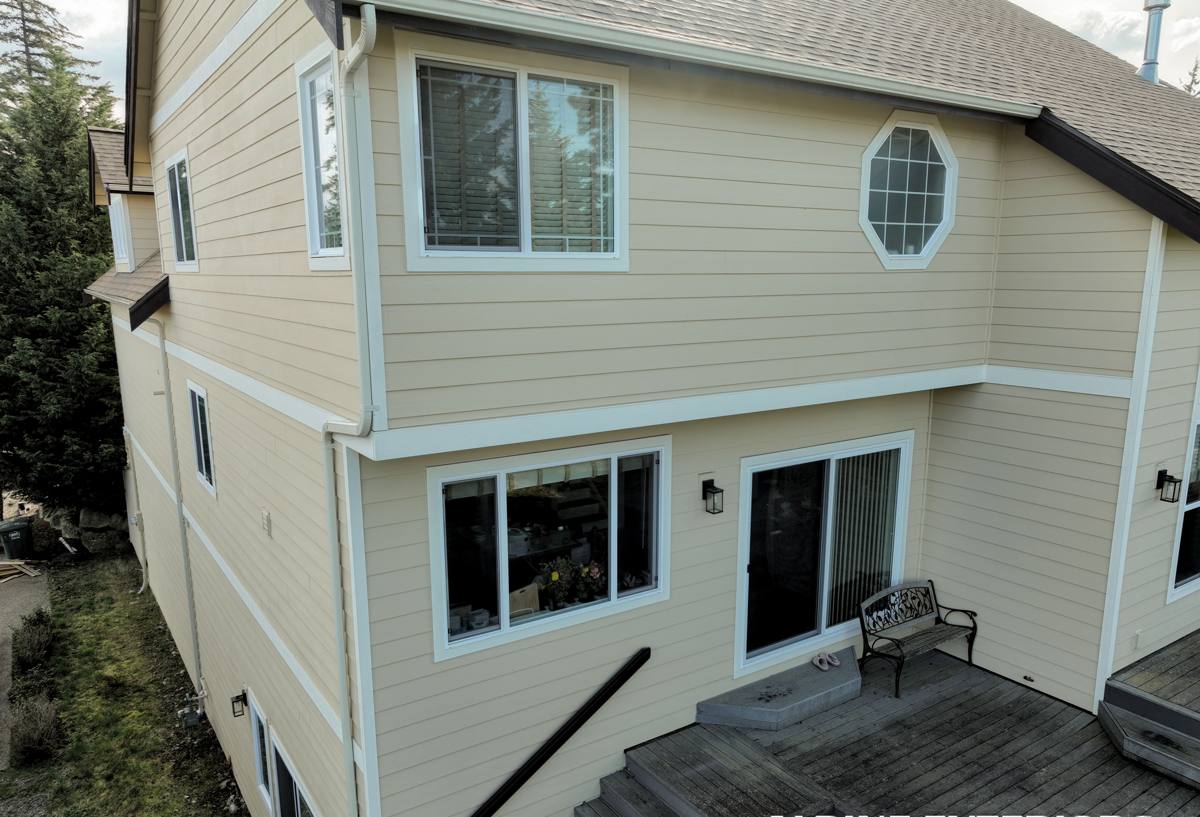
Signs a St. Pete Beach Deck Needs Replacement, Not Repair
Not every deck problem calls for a full rebuild. But there's a point where patching boards is throwing money at a structure that's already compromised underneath. Here's what tells us a deck has crossed that line.
- Soft, spongy, or bouncy sections in the decking or framing when you walk across them
- Visible rust bleeding from fasteners, joist hangers, or post connections
- Gaps opening up where the deck ledger meets the house, or staining below that joint
- Posts that have shifted, footings that have heaved, or a railing that flexes more than it should
- Wood that's gray, splintering, or soft enough to probe with a screwdriver, especially near ground contact
- A deck that was built without a permit or engineered for the wind loads this area now requires
If a deck shows two or more of these signs, a full replacement is usually the more honest recommendation than a repair. Patching cosmetic problems on a structure with compromised framing just delays the real cost and adds risk in the meantime.
What a Correct Deck Replacement Actually Involves
Framing and Structure
The decking boards are the part homeowners see, but the framing underneath is what determines whether the deck survives the next decade of Gulf weather. That means properly sized joists and beams for the actual span and load, spaced correctly, with joist hangers rated for the environment rather than whatever was on the shelf. Undersized or improperly spaced framing is one of the most common shortcuts we find when we tear out an old deck.
Ledger Attachment
The ledger board — where the deck attaches to the house — is the single most important connection on the entire structure, and it's also the one most likely to fail quietly. It needs correct flashing to keep wind-driven rain from working its way behind the ledger and into the house rim joist, along with lag bolts or through-bolts sized and spaced for the loads involved. A poorly flashed or under-fastened ledger is a slow-motion failure that often isn't obvious until there's rot or a structural problem behind the siding.
Footings and Post Bases
Footings need to be sized and set to local code, and post bases need to keep the post itself off the concrete and out of standing water. In a barrier island environment, we pay close attention to drainage around footings so water doesn't pool against the base of the structure after heavy rain.
Decking and Railings
Once the structure is right, the decking surface and railing system get installed with fasteners and hardware chosen for salt exposure, not generic hardware store fasteners. Railings also need to meet current code height and baluster spacing requirements, which older decks in this area frequently do not.
Choosing a Decking Material for a Barrier Island Climate
Every decking material has trade-offs here. There's no single "best" answer — it depends on budget, how the deck gets used, and how much maintenance the homeowner actually wants to do.
| Material | How It Handles Salt Air & UV | Maintenance | Honest Trade-Off |
|---|---|---|---|
| Pressure-treated wood | Needs sealing to resist moisture and graying; UV fades it quickly without upkeep | Annual cleaning and periodic sealing/staining | Lowest upfront cost, but highest long-term maintenance in this climate |
| Composite decking | Resists rot and doesn't absorb salt moisture, but board temperature and color retention vary by product | Occasional washing; no sealing or staining | Higher upfront cost, low maintenance, but installation quality matters more since problems get covered rather than exposed |
| PVC/capped polymer decking | Fully resists moisture intrusion and handles UV well with a cap layer | Lowest maintenance of the common options | Highest material cost; feels and flexes differently underfoot than wood |
| Tropical hardwoods (e.g., ipe) | Naturally dense and rot-resistant, holds up well to salt air | Periodic oiling to maintain color, or left to weather gray | Expensive, heavy, and requires pre-drilling and correct fastening — not a forgiving material for a rushed install |
We don't push one material on every homeowner. What matters more than the brand name on the board is whether the framing underneath is right and whether the fasteners and hardware were chosen for a coastal environment rather than a generic build.
Fasteners and Hardware: The Part Nobody Sees Until It Fails
This is where a lot of deck problems in St. Pete Beach actually start. Standard galvanized fasteners that work fine forty miles inland can start corroding within a few years this close to the Gulf. We use stainless steel or coastal-rated hot-dip galvanized fasteners and connectors on ledger bolts, joist hangers, post bases, and structural screws — the components that hold the deck together, not just the visible screws in the decking boards. It costs more upfront than generic hardware. It's also the difference between a deck that's still solid in fifteen years and one that needs structural repairs in five.
Permits, Wind Load, and Elevation in Pinellas County
St. Pete Beach sits within Pinellas County's coastal building requirements, and a deck attached to a house is a permitted structure, not an optional upgrade you can skip paperwork on. Depending on the property's flood zone and elevation, there can be additional requirements around how the structure is attached, how footings are set, and how it interacts with the home's flood-vent or elevation compliance. Wind load requirements in this part of Florida are also higher than in most of the country, which affects fastener spacing, post sizing, and how the ledger and railings are engineered.
Skipping permits on a deck rebuild is a real risk — not just for inspection headaches, but because an unpermitted deck addition can complicate insurance claims and home sales down the road. A properly permitted rebuild also gives the homeowner a paper trail showing the work met current code, which matters if a future storm puts it to the test.
How Our Deck Replacement Process Works
- On-site assessment: We inspect the existing deck, ledger connection, and framing to determine what's salvageable versus what needs full replacement.
- Plan and permit: We put together a scope that meets Pinellas County wind load and, where applicable, flood zone requirements, and pull the necessary permit before work starts.
- Demolition: The old structure comes out, including hardware and any hidden rot at the ledger or posts, so we're not building new work on top of an old problem.
- Framing and structure: New framing, footings, and ledger attachment go in with corrosion-rated hardware and correct flashing.
- Decking, railings, and finish: The decking material and railing system get installed to code, with attention to drainage and fastener placement.
- Final inspection: The completed deck is signed off through the county's inspection process, not just handed over informally.
Why Hiring a Crew That Already Works St. Pete Beach Matters
A deck replacement done by a crew unfamiliar with barrier island conditions tends to make the same mistakes: generic hardware instead of coastal-rated fasteners, ledger flashing details that work fine on a dry inland home but not one exposed to wind-driven rain off the Gulf, or framing sized for a climate that doesn't factor in these wind speeds. A crew that regularly works St. Pete Beach and the surrounding St. Petersburg coastline already knows what Pinellas County inspectors look for, what tends to fail first in this environment, and how to build a deck that's still tight and solid after a few hurricane seasons rather than one that looks good for the first year and then starts showing problems.
Local familiarity also matters for the practical side of the job — knowing typical lot access on the island, working around HOA or condo association requirements common in some St. Pete Beach communities, and scheduling around the area's seasonal traffic and weather patterns.
Getting the Most Life Out of a New Deck
Once a new deck is in, a little regular attention goes a long way in this climate.
- Rinse salt residue and debris off the deck surface periodically, especially after storms
- Check railings and stair connections annually for looseness
- Keep gutters and downspouts near the deck clear so runoff isn't dumping extra water against the structure
- Watch the ledger area behind the house for any staining or gaps and address it early
- Follow the manufacturer's cleaning guidance for composite or PVC decking to avoid voiding the warranty
If you're weighing a deck repair versus a full replacement in St. Pete Beach, or you just want an honest look at what shape yours is in, we're happy to come take a look. The estimate is free, there's no pressure, and you'll get a straight answer about what your deck actually needs.