 St. Petersburg Window
 Why Gulfport Roofs Wear Out Faster Than the National Average
Gulfport sits on the water along Boca Ciega Bay, tucked into the Pinellas County peninsula between St. Petersburg and the Gulf. That location is a big part of what makes the neighborhood special, and it's also exactly why roofs here take more abuse than roofs in most of the country. A shingle roof in Gulfport deals with intense, nearly year-round UV exposure that bakes asphalt granules and dries out the mat underneath, salt-laden air drifting in off the bay that accelerates corrosion on every metal component on the roof, and wind-driven rain that doesn't just fall straight down — it gets pushed sideways and up under shingle edges during storms.
Then there's hurricane season, which runs from June through November and is not something Pinellas County homeowners can plan around and ignore. Even a roof that never takes a direct hit still lives through repeated tropical-storm-force wind events over its lifetime, and every one of those events tests the fasteners, the flashing, and the shingle seal. A roofing job that would hold up fine in a mild inland climate can fail here in half the time if it wasn't built for this specific combination of sun, salt, and wind.
None of this means asphalt shingles are the wrong choice for a Gulfport home — they're still one of the most cost-effective, widely available, and easily repaired roofing materials on the market. It means the installation details matter more here than they do almost anywhere else, and cutting corners shows up faster.
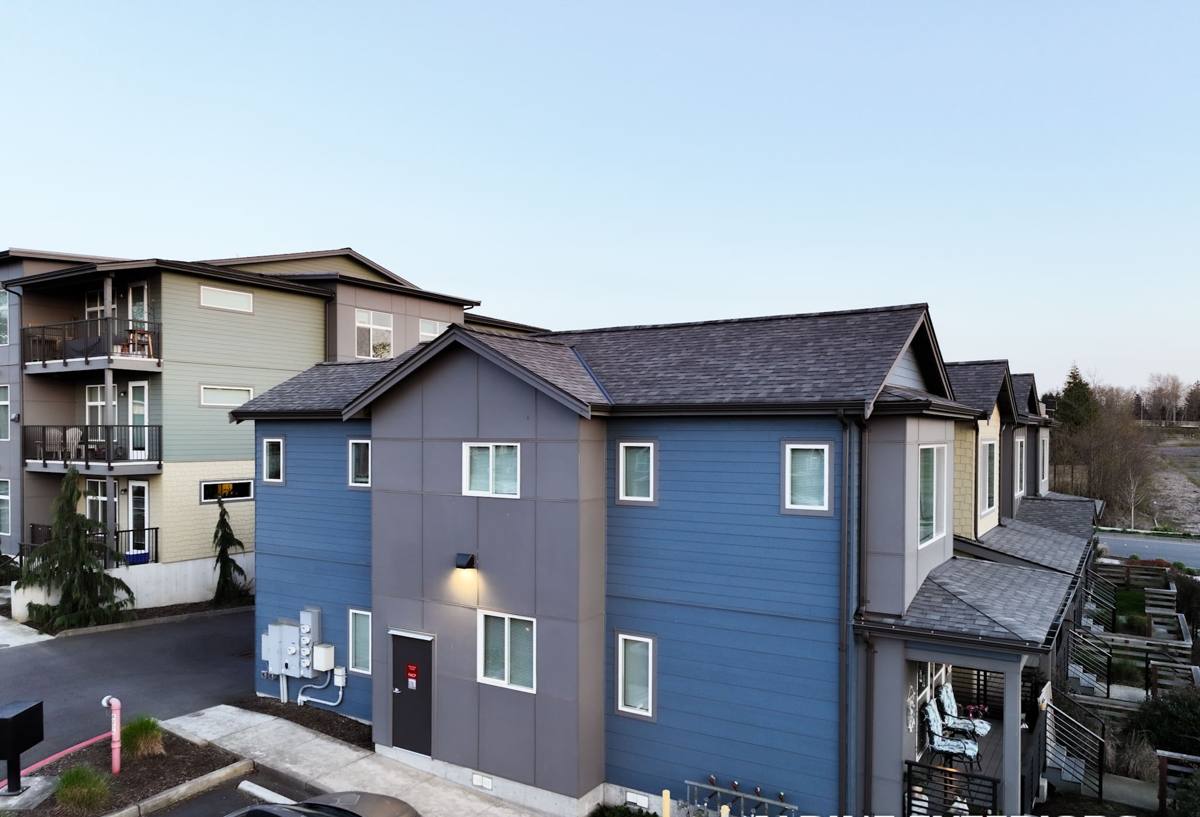
What a Correct Shingle Roof Actually Requires in This Climate
"Asphalt shingle roof" can describe a job that lasts 12 years or one that lasts 25+, and the difference almost never comes down to the shingle brand printed on the wrapper. It comes down to what's underneath and around the shingles.
Underlayment and Secondary Water Barrier
The underlayment is the roof's backup plan for the moments when wind-driven rain gets past the shingles — and near the bay, that happens more often than most homeowners realize. A synthetic underlayment with taped or sealed seams, or a self-adhering membrane at eaves and valleys, gives the deck a real second line of defense instead of a felt layer that was only ever designed to keep the deck dry during construction.
Wind Rating and Nailing Pattern
Every shingle has a rated wind resistance, but that rating only applies if the shingle is installed with the correct nail count, nail placement, and nailing pattern specified by the manufacturer. Under-nailing or nailing too high on the shingle is one of the most common reasons roofs lose shingles in a storm that they were technically rated to withstand.
Flashing and Roof Penetrations
Pipe boots, chimney flashing, wall step-flashing, and valley metal are where the vast majority of leaks start — not in the open field of shingles. Salt air corrodes cheap or thin metal flashing faster than it corrodes shingles, so the quality and gauge of the metal used at these details matters as much as the shingle choice itself.
Ventilation
A hot, poorly ventilated attic bakes shingles from underneath, cutting years off their life regardless of how good the installation was. Balanced intake (soffit) and exhaust (ridge) ventilation keeps attic temperatures down and helps the underlayment and decking last as long as the shingles on top of them.
Comparing Asphalt Shingle Options for a Gulfport Home
Not every asphalt shingle is built for coastal wind exposure, and the right choice depends on your budget, your roof's exposure, and how long you want to go before thinking about the roof again.
| Shingle Type | Typical Wind Rating | Expected Lifespan Here | Best Fit |
|---|---|---|---|
| 3-tab (strip) shingles | Lower end of the range | 10–15 years | Budget-driven projects, rental properties |
| Architectural / laminate shingles | Mid-to-high, product dependent | 18–25 years | Most owner-occupied homes; the standard we recommend |
| Impact-rated / high-wind laminate | Highest available in asphalt | 20–25+ years | Fully exposed lots, insurance-discount seekers |
We steer most Gulfport homeowners toward architectural shingles rated for high wind, not because 3-tab shingles are a bad product, but because the price difference is usually small relative to the labor cost of the whole job, and the added wind resistance and dimensional profile hold up noticeably better against wind-driven rain over the life of the roof. Impact-rated shingles cost more up front but can qualify a home for a wind mitigation insurance discount, which sometimes offsets a meaningful part of that difference over a few years.
Our Asphalt Shingle Roofing Process for Gulfport Homes
The process itself isn't exotic — a correct roof is built from ordinary steps done carefully and in the right order. Here's what a full replacement looks like:
- Roof and attic inspection. We look at the existing shingles, decking, flashing, and attic ventilation before quoting anything, so the estimate reflects your actual roof rather than a generic price.
- Tear-off. Old shingles and underlayment come off down to the deck. Layering new shingles over old ones is a shortcut that traps heat and moisture and voids most manufacturer warranties — we don't do it.
- Deck inspection and repair. Any soft, rotted, or delaminated decking gets replaced before anything new goes down. This step gets skipped by rushed crews and it's the single biggest predictor of a roof failing early.
- Underlayment and water barrier installation. Self-adhering membrane at eaves, valleys, and penetrations, with synthetic underlayment across the rest of the field.
- Flashing. New drip edge, valley metal, and step flashing where needed — reused old flashing is a common source of early leaks and we replace it as standard practice.
- Shingle installation. Installed to the manufacturer's nailing pattern and wind-rating specification, not a faster shortcut pattern.
- Ventilation check and correction. Ridge and soffit ventilation confirmed or added so the new roof isn't fighting attic heat from day one.
- Cleanup and magnetic sweep. Full site cleanup, including a magnetic nail sweep of the yard and driveway.
- Final walkthrough. We walk the finished roof and attic with you and cover warranty paperwork before calling the job done.
Permits, Wind Mitigation, and Insurance in Pinellas County
A full roof replacement in Pinellas County requires a building permit and a final inspection — that's not optional, and any contractor who suggests skipping it is putting your insurance coverage and resale process at risk. We handle the permitting and inspection scheduling as part of the job.
Once the new roof passes inspection, it's worth having a wind mitigation inspection done. Florida insurers offer real premium discounts for roofs with modern nailing patterns, sealed roof decks, and rated shingle types, and a new roof often qualifies for a better rate than the home carried before. We can point you toward what documentation your insurer will want, though the inspection itself is done by a licensed wind mitigation inspector, not by us.
Signs Your Gulfport Roof Needs Attention
Coastal wear often shows up gradually, in places most homeowners don't look regularly. Worth checking after any named storm or heavy wind event, and at least once a year otherwise:
- Granules collecting in gutters or at downspout outlets
- Shingles that look curled, cupped, or have lifted edges
- Missing shingles or exposed nail heads after a wind event
- Rust streaks or corrosion around flashing, vent boots, or valleys
- Soft spots or sagging when walked, or visible dips from the ground
- Daylight visible through the roof deck from inside the attic
- Water stains on interior ceilings, especially near chimneys or skylights
- Higher-than-usual cooling bills, which can point to failing attic ventilation
Maintenance That Actually Extends Roof Life Near the Water
Salt air and intense UV mean a shingle roof in this area benefits from a bit more attention than the same roof would need further inland. None of this is expensive, and most of it is worth doing on a simple annual schedule:
- Keep gutters clear so wind-driven rain has somewhere to go instead of backing up under the shingle edge
- Trim back tree limbs that overhang the roof to reduce debris buildup and abrasion during wind
- Have flashing and pipe boots visually checked yearly — rubber boot seals are usually the first thing to fail from UV exposure, well before the shingles themselves
- Rinse off heavy salt or debris buildup with a garden hose rather than a pressure washer, which can strip granules
- Schedule a professional inspection after any hurricane or tropical storm that produced sustained high winds, even if nothing looks obviously wrong from the ground
Why a Crew That Already Works Gulfport Matters
Roofing code requirements, permitting steps, and wind-load standards are set at the county and state level, and a crew that already pulls permits and schedules inspections in this jurisdiction moves through that process without the delays a contractor unfamiliar with Pinellas County requirements runs into. That familiarity also extends to material choices — knowing which underlayment upgrades and shingle wind ratings are worth the money for a specific lot's sun and wind exposure comes from having done the work on homes with the same conditions, not from a generic install manual.
There's also a practical, after-the-storm side to this. When a tropical system moves through Pinellas County, demand for roofing repairs spikes overnight, and homeowners who've never had local work done are often stuck waiting behind a long list of contractors driving in from other regions. A crew already established in the area is easier to reach, easier to verify, and has a track record you or a neighbor can actually check.
Get a Free, No-Pressure Estimate
If your Gulfport home needs a roof inspection, a repair, or a full asphalt shingle replacement, we're happy to take a look and give you a straight answer about what it actually needs — no upsell, no pressure. Fill out the form below to schedule a free estimate.