 St. Petersburg Window
 Windows Built for a Different Era, in a Climate That Hasn't Gotten Easier
Historic Old Southeast is one of St. Petersburg's older residential neighborhoods, and a lot of the housing stock here predates modern hurricane building codes by decades. That's part of the charm — these homes weren't built from a subdivision template. It also means the windows in a lot of these houses were never engineered for what Pinellas County weather actually throws at them today: sustained hurricane-force wind events, wind-driven rain that gets pushed sideways under old sashes, near-constant UV exposure, and salt air drifting in off the water that slowly corrodes anything with exposed metal hardware. Original or early-replacement windows in this neighborhood are usually working a lot harder than they were designed to.
A window installation project here isn't just "swap old glass for new glass." It's matching a wind-rated, moisture-tolerant product to a house that has its own quirks — settled framing, older stucco or wood siding, and in some cases a rough opening that isn't a standard modern size. Getting that match right is the difference between windows that perform for twenty-plus years and windows that start failing at the seals within a few storm seasons.
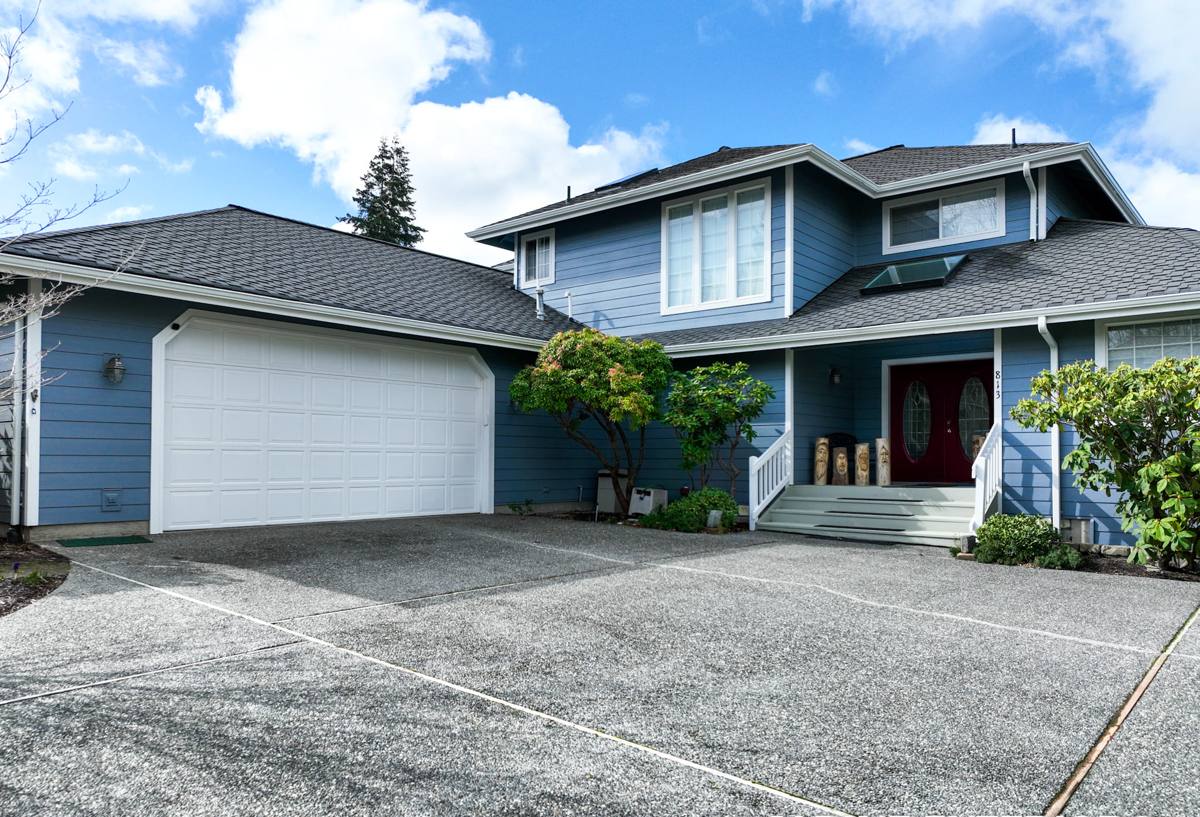
What Pinellas County's Climate Actually Does to a Window
Wind and Wind-Driven Rain
St. Petersburg sits in a coastal wind zone, and older single-pane or early double-pane windows were rarely tested to modern impact and pressure standards. During tropical storms and hurricanes, the risk isn't just the glass breaking — it's water intrusion. Wind-driven rain finds any gap in flashing, sealant, or an aging frame and pushes moisture into the wall cavity, where it causes rot and mold long before anyone notices a stain on the drywall.
UV Exposure
Florida sun is relentless year-round, not just in summer. UV breaks down vinyl frames, dries out and cracks old glazing putty and caulk, and fades wood sills and trim. A window that looked fine five years ago can have brittle seals and a frame that's lost its flexibility, even if the glass itself still looks clear.
Salt Air
Being close to Tampa Bay and the Gulf means salt-laden air moves through this neighborhood regularly. Salt accelerates corrosion on aluminum frames, steel reinforcement, hinges, cranks, and screws. It's one of the main reasons hardware on older windows seizes up, and it's a factor we account for when specifying materials and fasteners for a replacement.
Historic Neighborhood Considerations
Because Old Southeast is a recognized historic district, window replacement here often comes with an extra layer that a newer subdivision wouldn't have: preserving the visual character of the home and, depending on the property, working within local historic-district guidelines. St. Petersburg's preservation review process (where applicable) generally cares about sightlines, sash proportions, and exterior appearance more than what's happening inside the frame — but it's a step homeowners in this area need to plan for before ordering windows, not after.
- Confirm whether your specific property is subject to historic design review before you order windows
- Ask your contractor whether they've pulled historic-district permits in St. Petersburg before
- Discuss grille patterns, frame profile, and exterior color early — these are usually what review boards focus on
- Get any required approvals in writing before installation is scheduled
We're not a preservation consultant, but we've done enough work in this part of the county to know when a project needs that extra step, and we build it into the timeline instead of letting it come as a surprise mid-project.
What a Correct Installation Actually Involves
Most window failures we see in older Old Southeast homes aren't caused by a bad window — they're caused by a rushed or incomplete installation years earlier. A correct job includes:
- Opening inspection. Checking the rough opening for rot, out-of-square framing, and existing water damage before anything new goes in.
- Proper flashing and sealing. This is the single biggest factor in whether a window resists wind-driven rain. Flashing tape and sealant have to be installed in the correct order and lapped correctly — not just caulked around the edges after the fact.
- Correct fastening for wind load. Screws and anchoring points need to meet the load requirements for a coastal wind zone, not generic builder-grade spacing.
- Shimming and leveling. An old house that's settled unevenly needs the window shimmed to sit plumb and square, or it will bind, leak, or stress the glass over time.
- Insulation of the gap. Low-expansion foam or backer rod around the frame, not just gaps left open behind trim.
- Interior and exterior trim-out that matches the home's existing profile, especially important on a historic-character property.
Choosing the Right Window for This Neighborhood
There's no single "best" window for every house in Old Southeast — it depends on the home's age, exposure, and whether it's under design review. Here's how the common options compare for this specific climate and neighborhood type:
| Frame Material | Salt Air / Corrosion Resistance | Historic-Style Fit | Maintenance |
|---|---|---|---|
| Vinyl | Good — won't corrode | Limited profile options; can look modern | Low |
| Aluminum | Fair — needs quality coating, can corrode near coast without it | Good for slim historic sightlines | Moderate |
| Fiberglass | Very good — dimensionally stable, resists corrosion | Good; paintable to match trim | Low |
| Wood (clad exterior) | Fair — needs the cladding intact to protect the wood | Best match for original historic character | Higher |
For a lot of Old Southeast homes, the honest trade-off comes down to how closely the exterior needs to match the original look versus how much long-term maintenance the homeowner wants to take on. We'll walk through that trade-off with you rather than push one product for every house.
Impact-Rated vs. Standard Windows with Shutters
In a coastal Pinellas County neighborhood, homeowners generally choose between two approaches for storm protection:
- Impact-rated windows: laminated glass built to resist wind-borne debris, no separate shutters needed, glass stays in place even if it cracks.
- Standard windows plus code-compliant shutters: lower upfront window cost, but requires actually deploying shutters before every storm — something that gets missed more often than homeowners expect.
Both are legitimate approaches and the right one depends on budget, how the home is used, and whether you want to rely on remembering to shutter up every storm season. We'll explain what applies to your specific address rather than assume one answer fits the whole neighborhood.
Signs Your Historic Home's Windows Need Attention
- Visible daylight or air movement around the sash when the window is closed
- Fogging or moisture trapped between panes on double-pane units
- Wood that's soft, discolored, or crumbling at the sill or lower frame
- Hardware that's corroded, seized, or hard to operate
- Paint or caulk that's cracked and pulling away from the frame
- A noticeable draft or temperature difference near the window
- Water staining on interior trim or the wall below the window after storms
Cost Factors for Window Installation in Old Southeast
Every home is different, so we don't quote sight-unseen, but these are the main variables that move the price up or down on a typical project in this neighborhood:
| Factor | Why It Matters |
|---|---|
| Number and size of openings | More or larger windows mean more material and labor |
| Impact-rated vs. standard glass | Impact glass costs more upfront but skips the shutter step |
| Historic-district review requirements | Approved styles/profiles can limit lower-cost options |
| Condition of the existing opening | Rot repair or reframing adds labor before installation can start |
| Frame material | Vinyl is typically the lowest cost; clad wood and fiberglass run higher |
| Access and site conditions | Older homes with tight lot lines or second-story openings can add labor time |
Our Process, Start to Finish
We keep it straightforward: a free on-site walkthrough where we look at every opening, note the home's condition, and talk through material and style options — including flagging early if your property may need historic review. From there we provide a written scope and price, confirm timing, and pull the correct permit before any work starts. Installation is done opening-by-opening so the home isn't left exposed, with flashing and sealing done to the standard the coastal climate here actually requires, not the bare minimum. We finish with trim-out and a walkthrough so you can see and test every window before we call the job done.
If you're weighing a window project for a home in Historic Old Southeast, we're glad to come take a look and give you a straight, no-pressure estimate — just fill out the form below and we'll get in touch.