 St. Petersburg Window
 Board & Batten Siding in Gulfport: What the Climate Actually Demands
Gulfport sits on a peninsula, surrounded on multiple sides by water, which means homes here take a heavier dose of salt-laden air than properties even a few miles inland. Add in Pinellas County's intense year-round UV, wind-driven rain during summer storms, and the real possibility of hurricane-force gusts, and you have one of the more demanding climates in the country for exterior siding. Board and batten is a popular look in Gulfport's older bungalow and cottage-style neighborhoods, but the material behind that look matters far more than the profile itself.
Board and batten siding is a vertical siding pattern — wide boards with narrow battens covering the seams — that reads as classic Florida coastal or cottage style. It works well on gable ends, dormers, accent walls, and full elevations alike. The problem is that many of the products historically used for this look (primed wood, some engineered wood panels, certain vinyl profiles) don't hold up well against Gulfport's specific combination of constant moisture in the air, direct sun exposure, and salt.
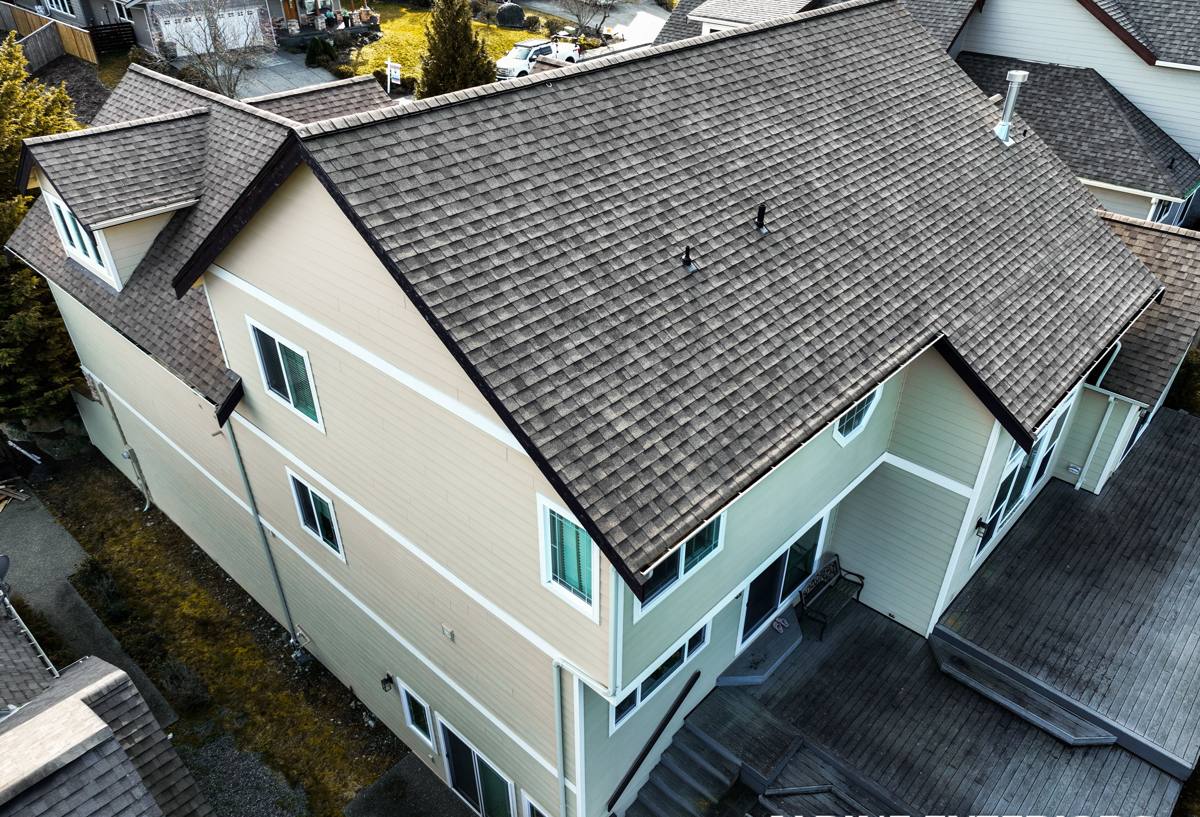
Why Standard Board & Batten Materials Struggle Here
Salt Air and Coastal Exposure
Salt in the air settles on exterior surfaces and accelerates the breakdown of paint films, adhesives, and some composite materials. On a peninsula community like Gulfport, that exposure is constant, not occasional. Siding that isn't engineered for coastal humidity tends to show its age faster here than it would on an inland lot.
UV and Sun Exposure
Florida sun is relentless on painted or primed surfaces. Standard site-applied paint jobs on wood-based siding chalk, fade, and crack years before a factory-cured finish does, which means more repainting cycles and more chances for water to find a way behind the siding through hairline cracks.
Wind-Driven Rain and Storm Wind
Board and batten's vertical seams are only as good as the installation behind them. Wind-driven rain during a tropical storm or hurricane doesn't just fall — it pushes sideways into every gap, seam, and fastener point. Combined with the wind load itself pulling at panels, a board and batten installation in Gulfport needs correct fastening, flashing, and joint treatment, not just a good-looking pattern.
What We Install: James Hardie Fiber Cement
This is the one point we won't compromise on: we install James Hardie fiber cement siding exclusively. We don't install LP SmartSide, vinyl, Cemplank, Allura, primed spruce, or cedar. That's not a marketing line — it's a standard we set because of what we've seen materials do (and fail to do) in exactly this kind of coastal, high-UV, storm-prone environment.
James Hardie's board and batten profiles — including their HardiePanel vertical siding system with battens, and dedicated board and batten products — are fiber cement, meaning they're made from cellulose fiber, sand, and cement. That composition gives them a few specific advantages relevant to Gulfport:
- Non-combustible — fiber cement doesn't burn, which matters for insurance considerations and general fire safety, unrelated to but relevant alongside storm resilience.
- Dimensionally stable — it doesn't swell, warp, or rot the way wood-based products can when repeatedly wetted and dried in humid coastal air.
- ColorPlus factory finish — baked-on color applied under controlled conditions holds up to UV far longer than field-applied paint, and it's backed by its own finish warranty.
- HZ5 climate engineering — Hardie makes region-specific formulations; Florida's humidity and moisture exposure is exactly what the HZ5 product line is engineered around.
- Strong transferable warranty — a real warranty structure that can matter to future homeowners in Gulfport's active resale market.
We're not saying every alternative product is unusable everywhere. We're saying that after years of installing and repairing siding in this specific coastal Pinellas County climate, fiber cement is what we're willing to put our name behind — and board and batten profiles built in fiber cement give you the look homeowners want without the maintenance liabilities of wood-based versions of the same style.
What a Correct Board & Batten Installation Involves
The board and batten look is simple in appearance but unforgiving in execution. A rushed or incorrect installation is where most siding failures in coastal Florida actually start — not with the material itself.
Weather-Resistive Barrier and Flashing First
Before a single board goes up, the wall needs a properly lapped weather-resistive barrier and correctly installed flashing at every penetration — windows, doors, hose bibs, vents, and any wall-mounted fixtures. In a wind-driven rain event, this hidden layer is what actually keeps water out of the wall assembly, not the visible siding.
Fastening for Wind Load
James Hardie publishes specific fastener schedules and requirements tied to wind zone ratings. Pinellas County falls under wind-borne debris and high-velocity wind requirements in parts of its building code, and installation needs to match the correct fastener type, spacing, and embedment for the wind exposure category of the specific site.
Batten Placement and Seam Treatment
Battens cover the vertical seams between boards, and their placement affects both appearance and water management. Gaps, caulking choices, and how battens are fastened relative to the boards underneath all affect long-term performance — this is a detail-oriented install, not a quick nail-and-go job.
Clearances at Grade and Roof Lines
Fiber cement siding, like most siding materials, needs proper clearance from grade, roof lines, and other horizontal surfaces where water can pool or wick upward. This is especially relevant on Gulfport's older homes, where grading and drainage patterns may not match current best practice and need to be accounted for during installation.
Installation Checklist We Follow on Every Job
- Inspect and repair sheathing before covering any water damage from the prior siding
- Install or verify weather-resistive barrier, correctly lapped
- Flash all penetrations before boards go up
- Confirm fastener type and schedule match the site's wind exposure requirements
- Maintain proper clearance at grade, roofline, and dissimilar materials
- Set battens with correct spacing and fastening for the panel width used
- Caulk and seal per Hardie's published installation instructions, not generic practice
- Final inspection walk-through with the homeowner before job close-out
Why a Crew That Already Works Gulfport Matters
Board and batten siding installed correctly in Sarasota's dry inland heat is not automatically installed correctly for Gulfport's salt exposure and wind zone. A crew that regularly works this specific area already knows the older housing stock common to Gulfport's neighborhoods, understands the humidity and salt exposure at ground level (not just from a spec sheet), and has already worked through the permitting expectations for Pinellas County and the City of Gulfport where applicable.
That local familiarity shows up in practical ways: knowing which older homes are more likely to have sheathing issues under existing siding, understanding how a home's orientation toward the water affects which walls take the worst weathering, and having already handled the inspection and permitting process for this jurisdiction rather than learning it on your project.
Cost Factors for Board & Batten Siding in Gulfport
Pricing for any siding project depends on site-specific factors, but these are the variables that most commonly move the number up or down on a board and batten job in this area:
| Factor | Why It Matters |
|---|---|
| Condition of existing sheathing | Moisture or rot behind old siding must be repaired before new siding goes on |
| Home size and wall complexity | More corners, gables, and dormers mean more cutting, flashing, and batten work |
| Full-house vs. accent application | Board and batten as a full exterior costs more than as a gable or accent feature |
| Trim and finish detail | Corner boards, window trim, and fascia detailing add labor and material |
| Removal and disposal of old siding | Tear-off of existing material adds labor and dump fees |
| Access and site conditions | Tight lots, mature landscaping, or multi-story walls affect labor time |
We walk every site in person before quoting, because these factors vary house to house even within the same block.
Maintenance: What Owning Hardie Board & Batten Actually Looks Like
One reason we standardized on fiber cement is that the maintenance burden after installation is genuinely lower than wood-based alternatives, which matters in a climate that's hard on exterior surfaces year-round.
- Rinse the exterior periodically to remove salt residue and airborne debris
- Inspect caulking at seams, trim, and penetrations annually, and re-caulk as needed
- Watch for any signs of moisture at the base of walls near grade
- Repaint is not on the same cycle as field-painted wood, since ColorPlus finish is factory-cured — but if you ever do repaint, use products compatible with fiber cement
- After any major storm, do a visual check for impact damage or loosened panels
None of this is heavy maintenance — it's the kind of periodic attention any coastal home's exterior deserves, and it's considerably lighter than what wood-based board and batten demands in this environment.
Getting Started
If you're considering board and batten siding for a home in Gulfport, we're happy to come take a look, walk the exterior with you, and give you a straightforward, no-pressure estimate — including an honest read on what your current siding and sheathing condition actually call for. Fill out the form below to get started.