 St. Petersburg Window
 New Roofs Built for Old Southeast, Not for Anywhere
Historic Old Southeast sits close to the water, which means every roof in the neighborhood is doing more work than a roof twenty miles inland. Between the salt air coming off Tampa Bay, the afternoon thunderstorms that roll through most of the summer, and the direct hurricane exposure St. Petersburg deals with every storm season, a new roof here has to be installed correctly the first time. There isn't much margin for a rushed job when the next tropical system or the next hundred days of intense Florida UV are the real test.
We work on homes in this part of St. Petersburg regularly, which matters more than it sounds like. Roofing an older Pinellas County home is a different job than roofing a new-construction house in a subdivision — the decking, the roof pitch, the age of the framing, and the way the house was originally built all change what "doing it right" looks like.
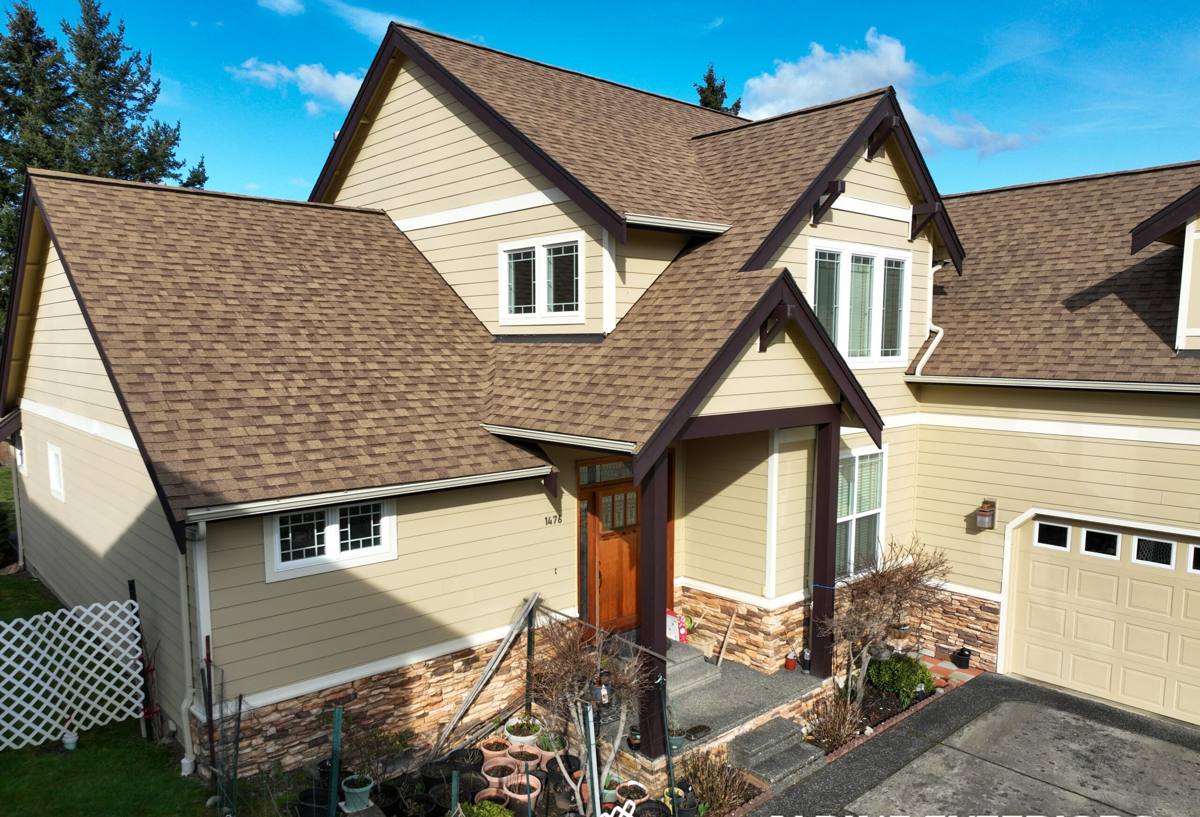
What the Local Climate Actually Does to a Roof
If you've lived in St. Petersburg for more than a year or two, you already know the pattern. It's worth spelling out because it's the reason a generic roofing job doesn't hold up here the way it might somewhere with a milder climate.
Wind and Storms
Pinellas County sits in an area rated for high wind design, and Old Southeast's proximity to the bay means gusts during tropical storms and hurricanes hit hard and from shifting directions. A roof system needs correctly rated fasteners, proper nailing patterns, and wind-rated underlayment — not because code requires the minimum, but because the minimum is what keeps shingles and tiles on the house when wind-driven rain is trying to get underneath them.
UV Exposure
Florida sun is intense and constant, essentially year-round. UV breaks down roofing materials from the surface down — it dries out asphalt shingles, degrades cheaper underlayments, and accelerates the aging of anything not rated for high-heat, high-UV climates. A roof spec'd for a northern climate will visibly age faster here.
Wind-Driven Rain
Straight-down rain is easy for almost any roof to shed. Wind-driven rain, which is the normal condition during a St. Petersburg thunderstorm or tropical system, pushes water sideways and upward under laps, ridges, and flashing. This is where installation quality — not just material quality — decides whether a roof leaks.
Salt Air
Being close to the water means airborne salt settles on everything, including fasteners, flashing, and metal roof edges. Salt accelerates corrosion on anything that isn't rated for coastal exposure, which is why fastener and flashing material choice matters more here than it would twenty or thirty miles from the coast.
What a Correct New Roof Installation Actually Includes
A new roof is more than shingles or tiles going down. The parts you don't see are what determine whether the roof performs for its full expected life or starts causing problems in year three.
- Full tear-off and deck inspection — repairing or replacing any rotten, delaminated, or storm-damaged decking before anything new goes on
- Correct underlayment for the climate — a high-quality synthetic or self-adhering membrane rated for high heat and wind-driven rain, not a builder-grade minimum
- Proper flashing at every penetration, valley, wall, and chimney — this is the single most common source of leaks on older homes
- Fasteners and hardware rated for coastal/high-wind exposure, resistant to salt-air corrosion
- Ventilation that matches the attic design — intake and exhaust balanced so heat and moisture don't build up under the deck
- Manufacturer-correct installation method for the chosen material, so the material warranty is actually valid
- Code-compliant wind-rated installation for Pinellas County's requirements
Skipping or shortcutting any one of these is usually invisible on install day and becomes obvious the first time a real storm tests the roof.
Working on Older Homes in Old Southeast
Many homes in this part of St. Petersburg were built decades ago, and that changes the job in a few practical ways. We're not going to guess at ages or styles we haven't confirmed on your specific house, but the general considerations that come up on older Pinellas County homes are consistent:
Deck Condition
Older roof decking is more likely to have hidden moisture damage, especially around chimneys, old vent penetrations, or areas that have been patched over the years. A full tear-off lets us actually see the deck and replace what needs replacing, instead of covering up a problem.
Roof Pitch and Detailing
Older homes often have roof lines, dormers, and eave details that a production crew used to cookie-cutter new construction isn't set up to handle well. Valleys, transitions, and trim details take more time and more careful flashing work.
Matching the Home's Character
Where it matters to the homeowner, we talk through material and color choices that keep the house looking like it belongs in the neighborhood, rather than defaulting to whatever is fastest to install.
Neighborhood Considerations
Some areas in and around Old Southeast have architectural review requirements or neighborhood expectations around exterior changes. We'd rather have that conversation with you up front than find out about a hurdle mid-project.
Our New Roof Installation Process
- On-site inspection and estimate. We walk the roof, check the attic, and assess the current deck and any storm or age-related damage before quoting anything.
- Material and system selection. We go over options suited to your budget and the exposure your specific roof faces — a roof shaded by mature trees and set back from the water isn't spec'd identically to one with open bay exposure.
- Permitting. We handle the permit process with the City of St. Petersburg / Pinellas County as required so the finished roof is properly inspected and documented.
- Tear-off and deck repair. Old material comes off, the deck is inspected, and any compromised sections are replaced before anything new is installed.
- Underlayment, flashing, and ventilation. These get installed to spec, not to the minimum — this is the stage that determines long-term performance.
- Roofing material installation. Installed per manufacturer specification so your material warranty is valid, with attention to the wind-rated fastening patterns Pinellas County conditions call for.
- Final inspection and cleanup. We walk the finished roof with you, confirm everything passed inspection, and make sure the property is cleaned up — nails and debris included.
Comparing Roofing Materials for This Climate
There's no single "best" roof for every house — the right choice depends on your budget, your roof's exposure, and how long you plan to be in the home. Here's an honest comparison of the main options homeowners in this area consider.
| Material | Typical Lifespan Here | Wind/Storm Performance | Maintenance Considerations |
|---|---|---|---|
| Architectural asphalt shingle | 15–25 years | Good, when installed with wind-rated nailing pattern and sealed correctly | Lowest upfront cost; UV and heat will age it faster than in milder climates |
| Metal roofing (standing seam) | 30–50 years | Excellent wind uplift resistance when properly fastened | Higher upfront cost; fasteners and flashing must be coastal-rated to resist salt corrosion |
| Concrete/clay tile | 40-plus years | Very good, but individual tiles can crack or dislodge in severe wind if fastening is substandard | Heavier — needs adequate structural support; repairs require matching tile stock |
| Flat/low-slope membrane (for additions, porches, etc.) | 15–20 years | Depends heavily on correct seaming and drainage detailing | Needs periodic inspection at seams and drains; ponding water is the main enemy |
What Affects the Cost of a New Roof
We don't publish blanket prices because two roofs of the "same size" can cost very differently depending on the details below. What we can tell you is what actually drives the number, so an estimate makes sense when you see it.
| Factor | Why It Matters |
|---|---|
| Roof size and pitch | Steeper roofs and more complex rooflines take more labor and material to install correctly |
| Deck condition | Rotten or damaged decking discovered during tear-off adds material and labor to replace |
| Material choice | Asphalt, metal, and tile have significantly different material and labor costs |
| Number of penetrations and valleys | Chimneys, skylights, vents, and valleys all need individual flashing work |
| Permitting and code requirements | Wind-rated installation standards in Pinellas County affect fastening and underlayment specs |
| Access and site conditions | Tight lots, mature landscaping, or limited driveway access can affect staging and labor time |
Why Hiring a Crew That Already Works This Neighborhood Matters
A roofing crew that regularly works in Historic Old Southeast and the surrounding St. Petersburg neighborhoods already understands the local permitting process, the general age and construction style of homes in the area, and the wind and moisture demands of being this close to the bay. That's not a small thing — it means fewer surprises during the job and a roof that's actually built for the conditions it will face, not a generic spec pulled from a national playbook.
It also means accountability. A local crew is still going to be in St. Petersburg next year and the year after, which is exactly who you want handling warranty questions or a post-storm inspection down the road.
Signs Your Roof May Need Replacing, Not Repairing
- Shingles that are cracked, curling, or missing granules across large sections of the roof
- Visible sagging anywhere on the roofline
- Daylight visible through the attic decking
- Frequent or recurring leaks in different spots after storms
- The roof is past or near the end of its material's expected lifespan
- Storm damage that affects a large percentage of the roof rather than an isolated area
If you're only seeing one or two of these on a roof that's otherwise in reasonable shape, a repair may be the more honest answer — we'll tell you that plainly during an inspection rather than push a replacement you don't need yet.
If you're weighing a new roof for a home in Historic Old Southeast, we're happy to take a look and give you a straight, no-pressure estimate — just fill out the form below.