 St. Petersburg Window
 New-Construction Windows Built for Roser Park From the Start
Roser Park sits close enough to downtown St. Petersburg and Tampa Bay that every new opening cut into a wall has to answer to the same climate: hurricane-force wind events, sun that beats down nearly year-round, wind-driven rain that finds any gap in a rough opening, and a steady dose of salt air working on hardware and finishes. When we say "new-construction windows," we mean windows installed into a framed rough opening before siding, stucco, or brick veneer goes on — as opposed to a retrofit or pocket replacement that reuses an existing frame. That distinction matters more in a hurricane-prone county than almost anywhere else in the country, because a new-construction window is only as good as the flashing, fastening, and water management built around it during the framing stage. Get that sequence wrong and no amount of glass quality fixes it later.
Roser Park's mix of older bungalow-era homes and newer infill construction means we see both worlds: additions and rebuilds where a new-construction window is going into a wall for the first time, and full teardown-rebuilds where the whole envelope is new. Either way, the job is the same at its core — get the opening right, flash it right, and put in a window rated for what Pinellas County actually throws at a house.
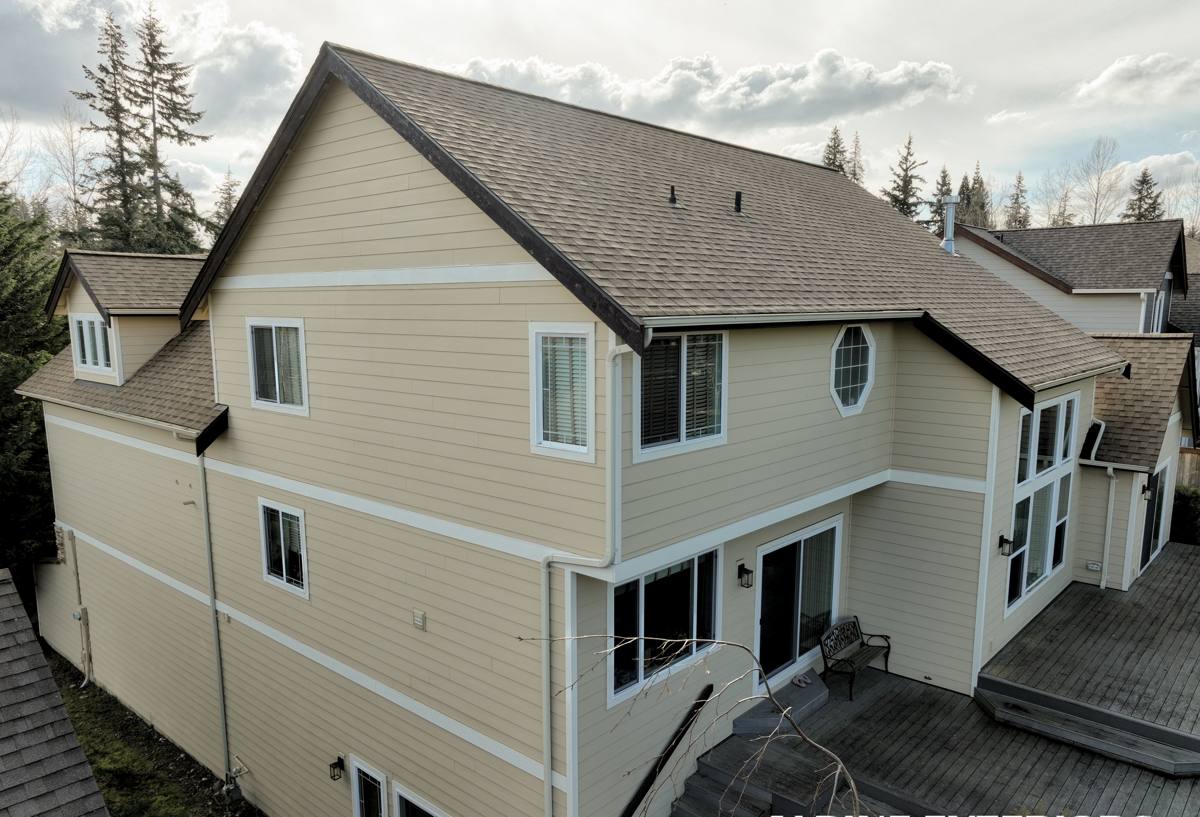
Why This Neighborhood's Conditions Change the Job
St. Petersburg's building code isn't uniform statewide guesswork — it's shaped by the Florida Building Code's High-Velocity Hurricane Zone influence and the wind-borne debris requirements that apply across the Tampa Bay coastal region. Roser Park homes, whether a century-old build or a new infill project, sit under the same wind-load and impact requirements as the rest of the city. A few things specific to this area drive real decisions on a job:
- Wind pressure and uplift: Roofs and walls in this part of Pinellas County are engineered for higher design wind speeds than inland Florida, and window assemblies have to be rated to match — both the glass and the frame anchoring.
- Wind-driven rain: Tropical storms here don't just bring rain, they push it sideways under pressure. A window that isn't flashed correctly during framing will leak long before the glass ever fails.
- UV load: Central Florida sun is intense and near-constant. Vinyl, seals, and glazing compounds that aren't rated for this exposure degrade faster — you'll see chalking, yellowing, and premature seal failure years ahead of schedule.
- Salt air: Roser Park isn't oceanfront, but it's close enough to the bay that airborne salt reaches hardware, screws, and metal components over time. Fastener and hardware choice matters more here than it would forty miles inland.
None of this means Roser Park needs anything exotic — it means the products and the installation sequence both need to be matched to real Gulf Coast conditions, not generic national averages.
What "Doing It Right" Actually Involves
The Rough Opening Comes First
Before a window ever gets set, the rough opening has to be square, level, and properly sized with the right tolerance for expansion and settling. On new-construction jobs we're working directly with the framing crew's dimensions, so any error here compounds into every window on the wall. We check plumb, level, and square on every opening — not just the first one — because framing tolerances drift as a crew works down a wall.
Flashing and Water Management
This is the step that actually determines whether a window leaks during a named storm five years from now. A correct sequence layers house wrap, flashing tape, and sill pans so that any water that gets past the window sheds back outward instead of into the wall cavity. Sill pans in particular are non-negotiable in this climate — they give wind-driven rain a way out even if a small amount does work its way past the frame. Skipping or shortcutting flashing is the single most common cause of hidden water damage we get called out to diagnose in Florida homes, and it's invisible from the outside until the rot or mold shows up.
Anchoring and Fastening
Wind-rated windows are only as strong as what they're screwed into. We follow the manufacturer's engineered fastening schedule — spacing, screw type, and embedment depth — because that schedule is what the product's wind rating is actually tested against. Substituting fasteners or spacing "close enough" voids both the performance rating and, often, the warranty.
Sealing and Insulating the Perimeter
Low-expansion foam or backer rod and sealant around the frame perimeter closes the gap between the window and the rough opening without bowing the frame — over-filling with the wrong foam can actually distort a vinyl frame and cause operational problems down the line. We insulate every opening, not just the ones facing the street.
Choosing the Right Window for a Roser Park Rough Opening
Frame material, glass package, and impact rating all get decided at the new-construction stage, because retrofitting a better window later is far more expensive than specifying correctly up front. Here's how the common choices stack up for this climate:
| Factor | What to Look For Locally | Why It Matters Here |
|---|---|---|
| Frame material | Fiberglass or quality vinyl rated for high-UV climates | Cheaper vinyl blends can warp, chalk, or yellow under sustained Florida sun |
| Glass package | Impact-rated laminated glass, Low-E coating | Removes the need for separate shutters and cuts summer heat gain |
| Wind rating | Matched to the home's Design Pressure (DP) requirement per current code | DP requirements vary by wall exposure and height — not one-size-fits-all |
| Hardware | Corrosion-resistant, stainless or coated fasteners | Salt air in the bay corridor accelerates standard hardware corrosion |
| Drainage design | Multi-chamber sill with weep holes | Gives wind-driven rain a path out instead of pooling in the frame |
Impact-rated glass isn't just a hurricane-season consideration — it also cuts down on outside noise and adds a layer of security, which is a real bonus in an established neighborhood like Roser Park where homes sit closer together than newer subdivisions.
Our Process on a New-Construction Job
- Plan review: We review the architect or builder's window schedule against actual code requirements for the site — DP ratings, egress sizing, and impact requirements can all vary opening to opening.
- Rough opening verification: Before install day, we confirm every opening is framed to spec. Catching a framing error before the window shows up saves everyone a delay.
- Flashing and sill pan installation: Done to manufacturer and code specification, opening by opening, not as a one-size-fits-all shortcut.
- Window setting and anchoring: Set plumb, level, and square, fastened per the manufacturer's tested schedule.
- Sealing: Interior and exterior sealant applied correctly, with the right products for the frame material.
- Final inspection: We check operation, seal integrity, and squareness on every unit before we call the job done — and before it's ready for the county inspection that new construction requires.
Coordinating With Builders, Framers, and Inspectors
New-construction window work rarely happens in isolation — it sits in the middle of a build schedule between framing and exterior finish work, and it has to pass a building inspection before siding or stucco closes the wall up. That means timing and communication matter as much as installation skill. We coordinate directly with general contractors and framing crews on scheduling so windows go in at the right point in the sequence, not too early against unfinished framing and not so late that it holds up exterior finishing. We also make sure the installation is ready for the inspector the first time — a failed inspection on window flashing or anchoring can cost a build days of delay waiting for a reinspection slot.
Common Mistakes We See — and Avoid
- Skipping or under-lapping flashing tape at the sill, which is the single most common source of hidden leaks in new Florida construction.
- Using generic fasteners instead of the manufacturer's tested schedule, which quietly voids the wind rating even if the window itself is rated correctly.
- Over-filling the perimeter gap with high-expansion foam, which can bow a vinyl frame and cause the sash to bind or seal poorly.
- Installing a window with a Design Pressure rating that doesn't match that specific wall's exposure — corner and high-wall openings often need a higher rating than interior wall openings.
- Treating every opening on a job the same instead of verifying each rough opening individually before setting glass.
What This Costs and What Drives the Price
Every new-construction project is different, so we don't quote a blanket number without seeing the plans — but a few things consistently move the price up or down on jobs in this area:
| Cost Factor | Impact |
|---|---|
| Number and size of openings | More or larger openings mean more material and labor |
| Wind/impact rating required | Higher DP-rated, impact glass costs more than standard glazing |
| Frame material | Fiberglass generally costs more upfront than vinyl but holds up longer under UV |
| Access and building height | Second-story or hard-to-access openings add labor time |
| Coordination complexity | Tight build schedules with multiple trades can affect scheduling costs |
Broadly, homeowners and builders should expect new-construction windows in this region to run from a modest per-opening cost for standard vinyl units up to a considerably higher figure for larger, high-DP, impact-rated fiberglass windows. We'll give you a real number once we've looked at the plans or the actual openings.
Why Local Experience on This Job Matters
New-construction window work isn't just about installing a good product — it's about knowing what Pinellas County inspectors are actually checking for, what wind zone a given lot falls into, and how a Roser Park-area build's proximity to the bay should factor into hardware and glazing choices. A crew that's done this work across St. Petersburg neighborhoods isn't guessing at flashing details or fastening schedules — they've already had those choices tested by hurricane seasons and inspection cycles here specifically. That local track record is worth more than a lower bid from a crew unfamiliar with this county's code interpretations and this coastline's actual weather.
Before You Sign Off on Window Selection
If you're a homeowner working with a builder, or a builder finalizing a window schedule, a short checklist before openings get ordered:
- Confirm the DP (Design Pressure) rating required for each specific wall exposure, not a single blanket rating for the whole house.
- Verify impact glass is specified where code requires it, and confirm whether shutters are still needed as a backup on any non-impact openings.
- Ask what fastening schedule will be used and confirm it matches the window manufacturer's tested installation instructions.
- Confirm sill pan flashing is included in the install scope — it's sometimes left out of bids to shave cost.
- Check hardware finish and material for salt-air resistance if the property is anywhere near the bay corridor.
Getting these decisions right before the openings are framed is far cheaper than correcting them after the walls are closed up.
If you're planning new construction or an addition in the Roser Park area and want windows specified and installed correctly the first time, we're happy to walk through your plans and give you a straightforward, no-pressure estimate — just fill out the form below.