 St. Petersburg Window
 Building New in Shore Acres? The Windows Have to Match the Site
Shore Acres sits close to the water on the northeast side of St. Petersburg, and that location shapes what a new-construction window package actually needs to be. This isn't a generic "pick a window from a catalog" decision. Homes going up or being substantially rebuilt in this part of Pinellas County face a specific combination of hurricane-force wind loads, near-constant UV exposure, wind-driven rain, and salt-laden air moving in off Tampa Bay. Every one of those factors touches the window opening — the frame material, the glass package, the anchoring method, and the flashing detail around it.
When we install new-construction windows in Shore Acres, we're not retrofitting an existing opening. We're setting windows into raw rough openings during the build or a full-gut renovation, which means the window and the wall assembly around it get built together. Done right, that's the best chance a home gets at a genuinely tight, storm-ready building envelope. Done wrong — wrong flashing sequence, wrong fastener spacing, wrong glass rating for the wind zone — it's a problem that gets buried behind drywall and stucco for years before it shows up as a leak or a failed inspection.
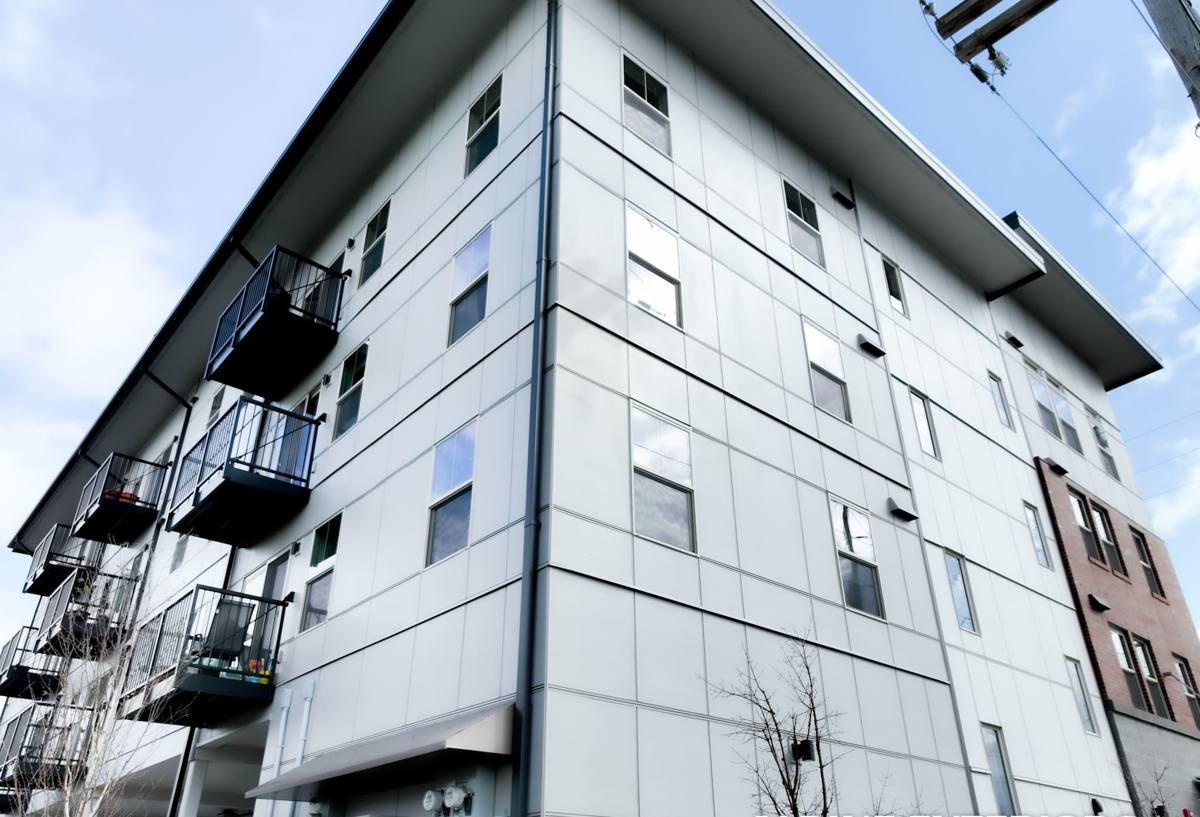
What Shore Acres' Climate Actually Does to a Window
Wind and Storm Pressure
St. Petersburg sits in a high-velocity hurricane zone, and Pinellas County's building code reflects that with product approval requirements most inland Florida counties don't have. New-construction windows here need documented design pressure ratings that match the home's specific wind exposure — which varies by height, shielding, and distance from open water. A window rated fine for a inland lot two counties over is not automatically fine for a Shore Acres lot near the bay.
Wind-Driven Rain
Wind-driven rain is a different problem from ordinary rain. In a straight-down rainstorm, a decent window sheds water by gravity. In a hurricane-band storm with sideways rain pressure, water gets forced into any gap in the frame, the sill pan, or the flashing. This is why the installation detail around a new-construction window matters as much as the window unit itself — a top-tier window installed with a sloppy sill pan or missing flashing tape will still leak.
UV Exposure
Florida's UV load runs high year-round, not seasonally. Vinyl frames, seals, and low-quality glass coatings degrade faster under that kind of constant exposure. We factor UV stability into what we recommend, particularly for frame material and glass coatings, because a window that looks fine on installation day but chalks, warps, or loses its seal in five years isn't a good long-term choice for this climate.
Salt Air
Shore Acres' proximity to the bay means airborne salt is a real factor in hardware and frame longevity. Salt accelerates corrosion in fasteners, hinges, and lesser-grade metal components. This is one reason we're selective about hardware specification and frame material on projects this close to the water — it's a maintenance and lifespan issue, not just a performance-on-day-one issue.
What a Correct New-Construction Window Install Involves
New-construction windows are installed with a nailing or mounting flange that gets integrated directly into the wall's water-resistive barrier during the build — as opposed to a replacement or retrofit install, which works within an existing finished opening. That flange-and-flashing integration is what makes new-construction installs the gold standard for weathertightness, but only if the sequence is followed correctly.
- Rough opening sized and squared to the window manufacturer's exact tolerances — not "close enough"
- Sill pan flashing installed first, sloped to shed any water that gets past the window back to the exterior
- Window set, shimmed, and checked for level, plumb, and square before a single fastener goes in
- Fasteners driven per the product's Florida approval schedule — spacing and type matter for the wind rating to actually apply
- Flange integrated with the house wrap or WRB in the correct shingle-lap order — jamb flashing, then head flashing over the top, never reversed
- Perimeter gap between frame and rough opening sealed with a proper low-expansion sealant, not just caulked at the exterior face
- Interior and exterior sealant beads inspected and tooled, not just squeezed in and left
Skip or rush any one of those steps and you can have a code-approved, well-rated window that still fails in the field. This is exactly why the crew installing the window matters as much as the window brand.
Glass and Frame Packages Worth Considering
| Feature | What It Does | Why It Matters in Shore Acres |
|---|---|---|
| Impact-rated laminated glass | Glass stays intact under impact instead of shattering out of the frame | Meets wind-borne debris requirements without needing separate shutters |
| Low-E coating | Reflects solar heat while still letting visible light through | Cuts cooling load in a climate with sun exposure nearly year-round |
| Reinforced frame corners | Keeps the frame from racking under wind pressure | Maintains seal integrity during storm-level pressure swings |
| Corrosion-resistant hardware | Stainless or coated fasteners and hinges | Salt air off the bay accelerates corrosion on lesser hardware |
| Florida Product Approval / Miami-Dade NOA | Third-party tested and documented performance rating | Required for permit approval and for the rating to hold up on inspection |
How We Approach a Shore Acres New-Construction Job
We start with the wind design pressure requirements for the specific lot — pulled from the project's engineering or the county's requirements for that location — before we talk about window brands or styles. That number drives what glass and frame packages are even eligible for the job. From there:
- Plan review. We look at the architectural drawings or renovation scope, confirm window schedule sizes, and flag any opening that needs special engineering attention.
- Product selection. We walk through glass, frame material, and hardware options against the home's exposure, budget, and the owner's priorities — energy performance, sightlines, maintenance, or all three.
- Coordination with the build schedule. New-construction windows go in at a specific point in the framing sequence. We coordinate directly with the builder or general contractor so the rough openings, WRB, and flashing sequence line up correctly the first time.
- Installation. Our crew follows the manufacturer's Florida-approved installation instructions to the letter — this isn't optional if you want the wind rating to actually apply in an inspection or a future insurance claim.
- Inspection-ready documentation. We keep the product approval paperwork and installation photos organized so the permit inspection goes smoothly, without scrambling for documentation after the fact.
Why a Crew That Already Works Shore Acres Is Worth Something
A crew that's worked this neighborhood before already knows the practical stuff that isn't in a spec sheet: how the local permitting office likes documentation submitted, which flashing details hold up best on homes this close to the bay, and what wind exposure category actually applies lot by lot along this stretch of St. Petersburg. That's not something you get from a national contractor rotating through on a random job, and it's not something a homeowner should have to manage themselves mid-build.
It also matters for accountability. If a window issue does show up two years down the road — a seal failure, a flashing detail that wasn't quite right — you want a local crew that's still around, still working in the same neighborhood, and still standing behind the installation. That's a different relationship than a crew that installed once and moved on to the next county.
Common Mistakes We See on New-Construction Window Jobs
- Ordering windows to a design pressure rating that doesn't match the lot's actual wind exposure category
- Flashing installed out of sequence — head flashing tucked under the WRB instead of over it, which sets up a leak path instead of shedding water
- Fastener spacing that doesn't match the product approval schedule, which can void the rated performance even if the window itself is correct
- Skipping the sill pan on the assumption that "the caulk will handle it"
- Installing before the rough opening is properly squared, leading to operational issues (windows that don't latch or seal evenly) down the line
Every one of these is preventable with the right sequence and a crew that treats the installation detail as seriously as the product spec. None of them show up on move-in day — they show up in the first real storm, or the first humid summer, when the seal gets tested.
Maintenance After Move-In
New-construction windows in a salt-air, high-UV environment still need periodic attention even when installed correctly. Rinsing accumulated salt residue off frames and hardware, checking exterior sealant beads annually for cracking, and keeping weep holes clear all extend the life of the install. We're happy to walk new homeowners through a simple maintenance routine specific to this location when the job wraps up.
If you're building new or doing a major renovation in Shore Acres and want a window package sized correctly for the site's wind exposure, along with an installation crew that already understands what this stretch of St. Petersburg's coastline demands, we're glad to walk through the project with you. Reach out for a free, no-pressure estimate using the form below.