 St. Petersburg Window
 Old Northeast's Older Homes Need Siding Repair Done Right
Old Northeast is one of St. Petersburg's older, more established neighborhoods, and that shows up the moment you start looking closely at siding. Many of these homes were built decades before modern house-wrap, synthetic trim, and engineered fiber cement existed. Some have original wood siding still in place. Others have been re-sided once or twice already, sometimes with the new material installed directly over the old rather than a proper tear-off. That layered history matters when something starts to fail, because a quick patch on the surface can hide a problem that's been building underneath for years.
Siding repair in a neighborhood like this isn't the same job as repair on a ten-year-old subdivision home. The framing, the sheathing, the trim details, and the way water was originally managed around windows and doors are all different, and a repair that doesn't account for that ends up failing again in a season or two. Doing it right means understanding what's actually behind the siding before you touch it, not just matching color and moving on.
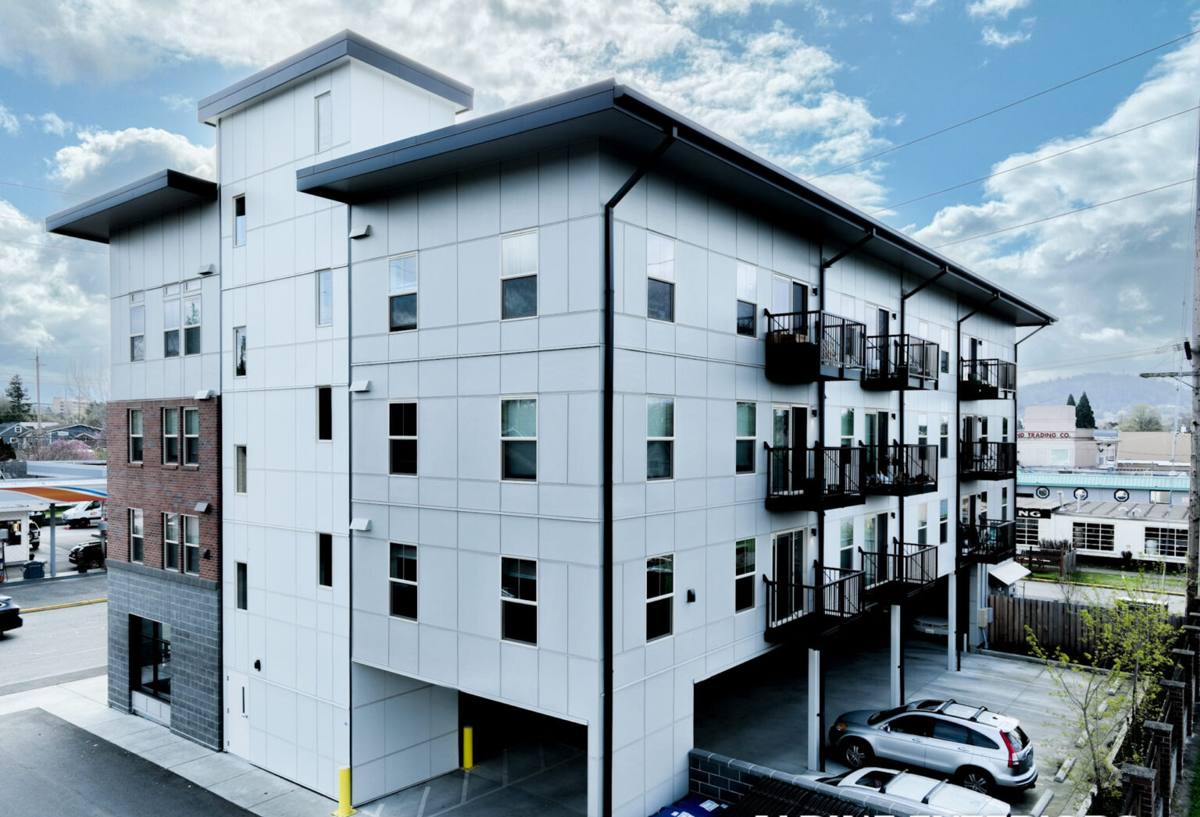
What St. Petersburg's Climate Does to Siding Over Time
Pinellas County sits in one of the more demanding climates in the country for exterior building materials, and Old Northeast's proximity to Tampa Bay puts it squarely in the path of everything that climate throws at a house.
Hurricane-Force Wind
Wind doesn't just rip siding off in a storm — it works boards and panels loose gradually, one gust at a time, by flexing fasteners and opening seams that were never quite sealed correctly. Once a seam opens, every subsequent wind event pushes rain further behind the cladding.
Wind-Driven Rain
St. Petersburg's storms rarely fall straight down. Wind-driven rain gets pushed sideways and upward, finding any gap, lap joint, or nail hole that wasn't properly flashed or caulked. On an older home where the original water management details may be decades old, this is usually where hidden rot starts.
UV and Heat
Florida sun is intense and constant, year-round rather than seasonal. On wood and older composite sidings, UV breaks down surface coatings, dries out fibers, and accelerates cracking and warping. Paint that would last a decade in a milder climate can fail in half that time here.
Salt Air
Being close to the water means airborne salt is a constant low-level presence. It accelerates corrosion on fasteners, flashing, and metal trim, and it can degrade certain finishes faster than inland exposure would. Salt-laden humidity also keeps moisture in wood-based materials longer, which feeds rot.
What We Find Behind the Siding on Older Homes
When we open up a section of siding on an Old Northeast home for repair, a few things show up often enough that we plan for them rather than treat them as surprises:
- Original wood sheathing or furring strips that have softened from long-term moisture exposure
- A prior layer of siding installed over the original material instead of a full tear-off
- Little to no house wrap, or a wrap that's degraded and no longer shedding water
- Window and door flashing that was never integrated with the siding correctly
- Fasteners that have corroded and lost their holding power, even where the siding face looks fine
None of this is unusual for a home of this era — it's simply what building practices looked like at the time. The issue is that a repair that ignores it just reattaches new material to a compromised base, and the same failure shows up again within a year or two.
Patch Job vs. Correct Repair
Homeowners often ask why one repair quote is a fraction of another. The difference usually comes down to how much of the underlying problem actually gets addressed.
| Factor | Surface Patch | Correct Repair |
|---|---|---|
| Scope | Replace only the visibly damaged piece | Remove damaged section fully, inspect substrate underneath |
| Substrate check | Skipped | Sheathing and framing checked for rot or moisture damage |
| Water management | Caulk over existing gaps | Flashing and water barrier corrected at the source |
| Fasteners | Reuse existing pattern where possible | Fastened to current wind-load standards for the area |
| Expected result | Looks fixed short-term, often recurs | Addresses the cause, holds up through storm seasons |
A surface patch has its place — sometimes a single damaged board really is an isolated, cosmetic issue. The point isn't to upsell every repair into something bigger than it is. It's to actually check before assuming, which a patch-only approach skips by design.
What a Correct Siding Repair Actually Involves
A repair worth doing on an older St. Petersburg home generally includes each of these steps, not just the ones that are visible from the curb:
- Full removal of the damaged section, not just the outer face
- Inspection of sheathing and framing underneath for rot, soft spots, or insect damage
- Repair or replacement of any compromised substrate before new siding goes back on
- Correction of flashing around any nearby window, door, or penetration
- Installation or repair of the water-resistive barrier so it actually sheds water downward
- Fastening done to current wind-resistance practice, not just however the original was attached
- Sealant and finish work rated for coastal, high-UV exposure
- Color and profile matched so the repair doesn't stand out against the rest of the home
Skipping any one of these doesn't necessarily cause an immediate failure — it just moves the next failure closer.
Why We Repair and Replace With James Hardie Fiber Cement
When a repair on an older home involves replacing a full section rather than a single board, the material choice matters more than most homeowners expect. We install James Hardie fiber cement exclusively — we don't offer vinyl, LP SmartSide, or unfinished wood as repair or replacement material, and that's a deliberate standard, not an oversight.
Vinyl and wood-based products each have real advantages: vinyl is inexpensive and low-maintenance in mild climates, and wood has an appearance some homeowners prefer. But in a coastal, hurricane-exposed environment like St. Petersburg, both carry trade-offs we're not willing to put our name behind — vinyl can distort in high heat and become brittle with age and UV exposure, while unfinished or primed wood needs a maintenance schedule most owners can't keep up with against constant sun and salt air.
James Hardie fiber cement is non-combustible, engineered specifically for hot, humid, storm-prone climates through its HZ product lines, and finished at the factory with ColorPlus technology, which holds color and resists fading far longer than field-applied paint. It also carries a strong, transferable warranty — useful if the home changes hands, which matters in an established neighborhood where houses often stay in a family or get passed to new owners who inherit the exterior as-is. When we do need to replace a full section during a repair, this is the material we bring, matched to the existing profile and color as closely as the situation allows.
Our Process for Old Northeast Siding Repair
Repair work on an older home benefits from a slower, more deliberate process than new construction, and ours reflects that.
1. On-Site Assessment
We look at the damaged area and the surrounding siding, and where access allows, we check what's happening underneath before quoting anything. On an older home, a five-minute look at the surface tells you far less than it would on newer construction.
2. Honest Scope
We tell you plainly whether this is a contained repair or something that's likely to spread — and why. If a patch is genuinely sufficient, we say so. If the surrounding area shows signs of the same underlying issue, we tell you that too.
3. The Repair Itself
Removal, substrate correction, water management, and refastening happen in that order, with each step checked before the next begins. Material is matched as closely as possible so the repaired section doesn't read as an obvious patch.
4. Final Check and Cleanup
We walk the repair with you before we consider the job finished, and we clean up debris and old material completely — something that matters on tree-lined residential streets where a job site sits close to neighbors.
Why a Crew That Already Works This Neighborhood Matters
Old Northeast has enough age and enough variety in past renovation work that experience here counts for something concrete. A crew that has already repaired siding on several homes in the area has a working sense of what's commonly hiding behind a given era of construction, what past re-siding jobs in the neighborhood tend to look like once opened up, and how to match a repair to an older home's existing look without it looking patched. Older, established neighborhoods can also carry their own design considerations depending on the specific property, and a contractor who's used to working in this kind of setting knows to check for that rather than assume every home is a blank slate.
That familiarity shortens the assessment phase, reduces surprises mid-job, and generally means a more accurate quote the first time — because "we've seen this before" is worth more than it sounds like on paper.
If you've got a section of siding on an Old Northeast home that's cracking, separating, staining, or just looking rough, we're happy to take a look and give you a straight answer on what it actually needs. Reach out for a free, no-pressure estimate using the form below.