 St. Petersburg Window
 Why Pinellas Park Siding Takes a Beating
Pinellas Park sits inland from the immediate coastline, but it's still squarely inside Pinellas County's weather pattern, and that pattern is hard on exterior siding. Summers bring near-daily UV exposure strong enough to fade and chalk lesser materials within a few seasons. Afternoon storms roll in low and fast, often driving rain sideways against the sides of a house that never get a break to dry out. And when a tropical system or hurricane-force wind event pushes through, siding takes the first hit — flexing panels, popping fasteners, and driving water behind seams that were never designed to handle that kind of pressure.
Add in the salt air that reaches well inland from Tampa Bay on a steady onshore breeze, and you've got a combination that ages siding faster here than it would in most of the country. None of this means siding is doomed — it means the material, the installation, and the repair work all have to be matched to the environment, not treated as an afterthought.
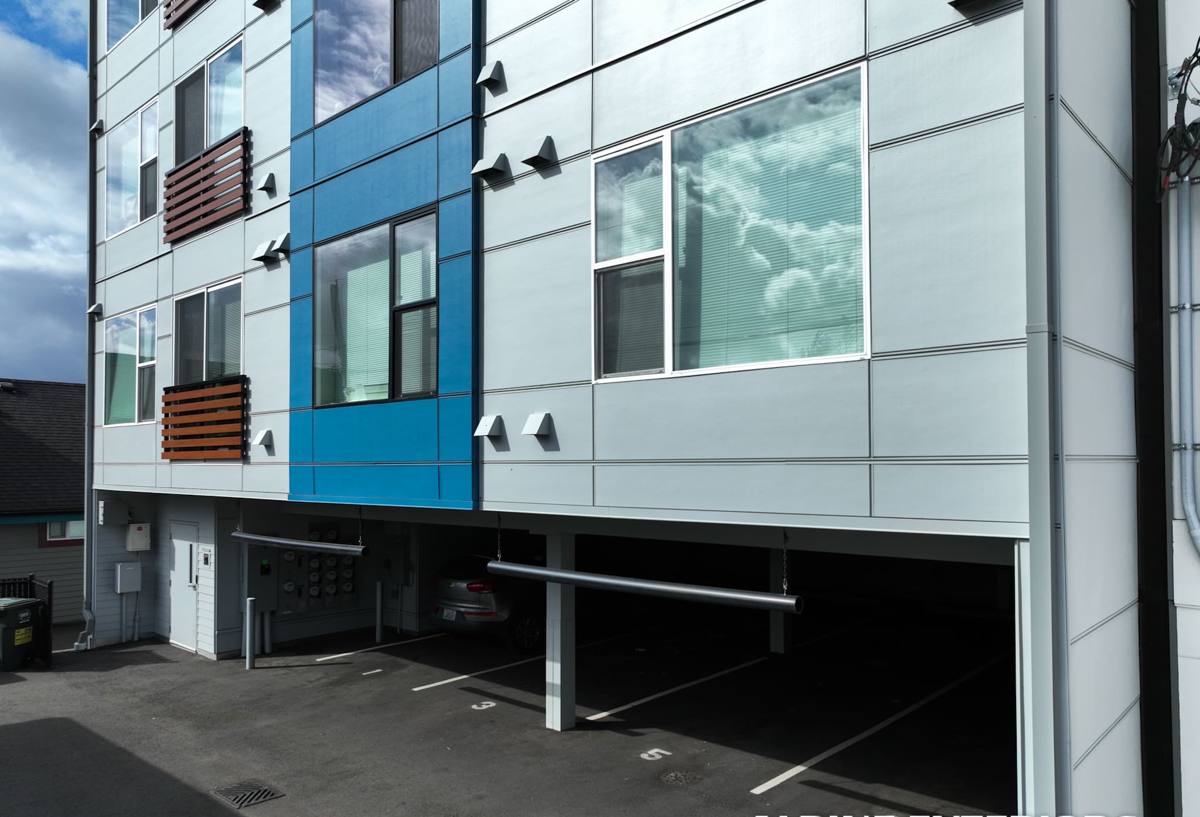
Common Siding Damage We See in Pinellas Park
Most of the repair calls we get in this neighborhood fall into a handful of categories, and almost all of them trace back to the climate factors above:
- Wind-lifted or cracked panels from gusts during storms, especially on corners and gable ends where wind pressure concentrates
- Buckling or warping in materials that weren't built to handle repeated wet-dry cycling in high humidity
- Fading and chalking on south- and west-facing walls that take the brunt of daily UV
- Soft or rotted sections where water got behind siding through a failed seam, damaged flashing, or a gap around a window or door trim
- Fastener failure — nails or screws that have backed out or corroded, letting panels rattle loose in wind
- Salt-air corrosion on metal trim, fasteners, and any siding accessories not rated for coastal-adjacent exposure
Some of this is cosmetic and can wait. Some of it is a moisture problem that gets worse every month it's ignored. Telling the difference is the first real job of a proper siding repair estimate.
Repair or Replace? How We Make the Call
Not every damaged section needs a full re-side, and we're not going to tell you it does. A localized repair makes sense when the damage is contained — a few panels cracked from a storm, one section where a downspout leak caused rot, trim that pulled away at a corner. In those cases, cutting out the bad material, checking the water-resistive barrier and framing underneath for hidden damage, and replacing with matched material is the right, honest fix.
Replacement becomes the better answer when damage is spread across multiple elevations, when the underlying material has reached the end of its practical life (chronic warping, chalking that won't paint over cleanly, repeated fastener failure), or when repeated water intrusion has compromised the sheathing behind the siding in more than one spot. At that point, patch repairs are just delaying a bigger job and spending money that doesn't buy long-term value. We'll walk you through what we're seeing and why, and we'll tell you straight if a repair is the smarter move — even when a full job would be the bigger sale.
Signs You're Looking at a Repair, Not a Replacement
- Damage limited to one or two elevations or a small number of panels
- No soft, spongy, or discolored sheathing behind the affected area
- The rest of the siding is structurally sound and holding its finish
- The cause of the damage (a storm event, a specific leak point) has been identified and can be fixed at the source
What a Correct Siding Repair Actually Involves
A siding repair that's done right is more than swapping a cracked board for a new one. Skipping the steps below is exactly how a "repair" turns into a recurring problem:
- Remove the damaged material carefully so surrounding panels and trim aren't stressed or cracked in the process
- Inspect what's underneath — the water-resistive barrier, flashing, and sheathing — before anything new goes up
- Address the actual cause, whether that's a flashing gap, a caulk failure, or a fastening pattern that couldn't hold up to wind
- Replace with matched material, matched in profile, reveal, and color so the repair doesn't stand out as a patch
- Re-fasten and seal to spec, using corrosion-resistant fasteners appropriate for a salt-air environment
- Check adjacent panels and trim for related stress or damage that hasn't shown up yet
Step two is the one that gets skipped most often by crews trying to move fast, and it's the one that matters most. Siding is a system — the visible panel is just the outer layer. If the barrier or sheathing behind it is compromised, a fresh-looking panel over rotten framing is a repair in name only.
Matching Materials: Why We Repair With (and Toward) James Hardie
We install James Hardie fiber cement siding exclusively — we don't carry vinyl, LP SmartSide, or other engineered wood products, and that shapes how we approach repairs too. When we're patching an existing Hardie installation, matching material is straightforward: Hardie's ColorPlus factory finish and consistent product lines mean a repaired section can blend in cleanly rather than looking like a mismatched patch.
When a home has a different siding material and the damage points toward a larger problem — chronic moisture issues, a material that's chalking or warping faster than it should in this climate — we'll say so plainly, and we'll be honest that our long-term recommendation is Hardie fiber cement for the areas that need full replacement. It's non-combustible, engineered for high-humidity, storm-prone climates through Hardie's HZ product lines, and backed by a strong transferable warranty when installed to spec. That's not a sales pitch tacked onto a repair conversation — it's the same standard we hold for every job we do in Pinellas County, because we've seen what holds up here and what doesn't.
Our Siding Repair Process, Start to Finish
Every repair starts with an on-site look, not a phone estimate. Siding damage in Florida is rarely just what's visible on the surface, and we're not going to quote a number without actually seeing the wall.
What to Expect
- On-site assessment of the damaged area and a check of the surrounding siding for related issues
- A clear explanation of what caused the damage and whether repair or replacement is the right call
- A written estimate before any work starts, with no pressure to upsize the scope
- Careful removal and inspection of the substrate before new material goes up
- Repair using matched material, fastened and sealed to hold up to Pinellas County wind and rain
- A final walk-through so you can see the completed work before we consider the job done
Cost Factors in Siding Repair
Repair costs vary a lot based on scope and cause, so we won't quote a number that doesn't mean anything until we've seen the wall. What we can tell you is what actually moves the price:
| Factor | Why It Matters |
|---|---|
| Size of the damaged area | A single panel is a different job than a full elevation |
| Condition of the sheathing underneath | Rotted framing or sheathing adds structural repair, not just a siding swap |
| Material matching | Matching an existing profile and finish takes more care than a fresh install |
| Access and elevation | Second-story or hard-to-reach sections take more time and equipment |
| Root cause repair | Fixing the flashing, caulking, or fastening issue that caused the damage, not just the symptom |
Why a Crew That Already Works Pinellas Park Matters
Siding repair isn't one-size-fits-all, and a crew that only occasionally works this area doesn't always know what to look for. Working regularly in Pinellas Park and the surrounding St. Petersburg area means we've seen how storm exposure differs block to block, which elevations tend to take the worst of the wind-driven rain, and what fastening and flashing details actually hold up through hurricane season here versus a cookie-cutter approach built for a milder climate.
It also means we're not learning on your house. We know what correct flashing and fastener choices look like for this specific combination of heat, humidity, wind, and salt air, and we bring that same standard to every repair — not just the full replacements.
Maintaining Your Siding After Repair
A good repair holds up a lot longer if it's paired with a little regular attention. None of this is complicated, but it's easy to let slide:
- Rinse siding periodically to clear salt residue, especially on walls facing prevailing winds
- Check caulking around windows, doors, and trim once a year and re-seal any cracked or gapped joints
- Walk the exterior after any major storm and look for lifted panels, loose trim, or new cracks
- Keep gutters and downspouts clear so water isn't dumping directly onto or behind siding
- Trim back vegetation that holds moisture against exterior walls
- Address small issues promptly — a loose panel or small crack is a quick fix now and a bigger repair in a year
If you're seeing damage on your Pinellas Park home, or you're just not sure whether what you're looking at is a quick repair or something bigger, we're happy to take a look. Reach out for a free, no-pressure estimate using the form below.