 St. Petersburg Window
 Siding Replacement Built for Pinellas Park's Climate, Not a National Average
Pinellas Park sits in the middle of Pinellas County, close enough to Tampa Bay and the Gulf that salt-laden air, heavy humidity, and hurricane-season winds all reach every neighborhood in town — not just the waterfront blocks. Homes here take a beating that siding products designed for drier, milder climates were never built to handle. When we talk to Pinellas Park homeowners about replacing their siding, the conversation isn't really about color or style first. It's about what material can actually survive a Florida summer, a Florida storm season, and a Florida decade without turning into a maintenance project.
This page covers what siding replacement actually looks like for a Pinellas Park home: what the local climate does to siding over time, the signs it's time to replace rather than patch, what a correctly done job involves, and why we've standardized on one product system instead of offering the usual menu of options.
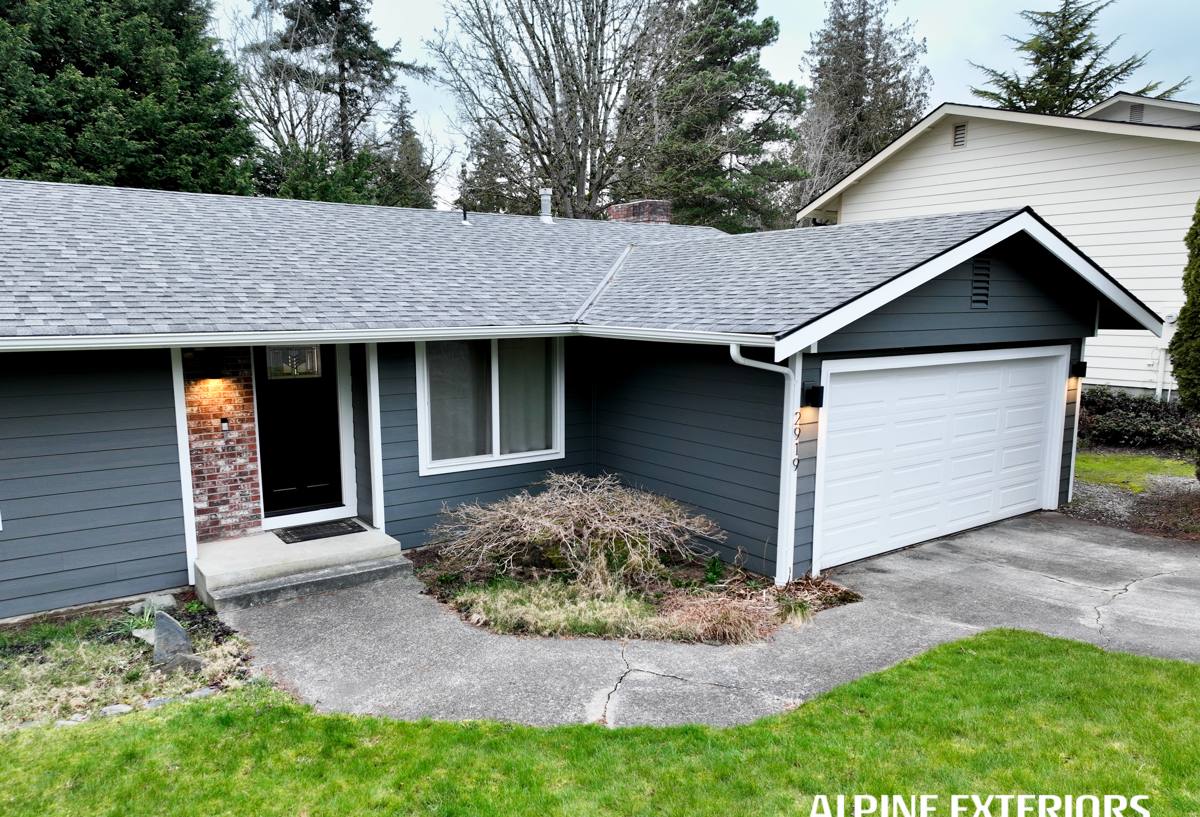
What Pinellas County's Climate Does to Siding Over Time
Every siding material eventually shows its age, but the pace and pattern of that aging depends heavily on climate. In Pinellas Park, four factors do most of the damage:
Intense, Year-Round UV
Florida's sun angle and number of sunny days per year are hard on any exterior finish. Paint fades unevenly depending on which side of the house faces south and west, and lower-grade coatings chalk or lose adhesion years before a homeowner expects to repaint.
Wind-Driven Rain and Humidity
Pinellas Park doesn't get a dry season the way a lot of the country does. Siding here is almost always dealing with some combination of humidity, afternoon storms, and — during named storms — rain driven sideways into wall assemblies at pressure. Materials that swell, wick moisture, or trap water behind the surface are working against the climate from day one.
Salt Air
You don't have to live on the water to feel it. Salt air moves inland on prevailing winds and settles on every exterior surface in the region, accelerating corrosion on fasteners and trim and breaking down finishes that aren't rated for it.
Hurricane-Force Wind Loads
Even in years without a direct hit, Pinellas Park sees tropical storm and hurricane-force wind events that test every seam, fastener, and panel edge on a home's exterior. Siding that isn't installed — and engineered — for those loads is the first thing to fail.
Signs Your Pinellas Park Home Needs Siding Replacement
Not every problem means a full tear-off. But there's a point where patching stops making sense and full replacement becomes the more honest recommendation. Here's what we look for:
- Soft, spongy, or crumbling spots when you press on the siding — usually a sign of water intrusion behind the surface
- Persistent bubbling, peeling, or flaking paint that comes back within a year or two of repainting
- Visible warping, buckling, or panels that have separated from the wall
- Cracked or split panels, especially near corners, window trim, and lower courses close to grade
- Mold, mildew, or dark staining that keeps returning after cleaning
- Rising energy bills with no other explanation, which can point to a failing weather barrier behind the siding
- Visible rot at butt joints, seams, or anywhere caulking has failed and gone unnoticed
- Siding that's original to a home built more than 20-25 years ago, especially if it's never been replaced
If you're seeing more than one of these, it's worth getting an honest inspection before deciding whether repair or replacement is the right call.
Why We Only Install James Hardie Fiber Cement Siding
We don't offer vinyl, LP SmartSide, primed wood, or other fiber cement brands. That's a deliberate standard, not a limitation in what we're capable of installing. After years of doing this work on Pinellas County homes, James Hardie fiber cement is the only product we're willing to put our name behind, for reasons that are specific to this climate.
How Hardie Handles Humidity, UV, and Salt Air
Fiber cement is a mix of cellulose fiber, sand, and cement — it's non-combustible and doesn't expand, contract, or absorb moisture the way wood-based or vinyl products can. It doesn't warp in heat, and it won't degrade the way engineered wood products can when moisture gets past a seam. Hardie's ColorPlus factory finish is baked on and warranted against fading and peeling, which matters a great deal in a market with as much direct sun exposure as St. Petersburg and Pinellas Park get.
Climate-Engineered HZ Product Lines
James Hardie makes region-specific formulations, and the HZ5 line is engineered for exactly the climate zone Pinellas Park sits in — high humidity, freeze-thaw isn't a factor here, but moisture cycling and heat are. That's a meaningful difference from a one-size-fits-all product shipped the same way to every region of the country.
What We Give Up by Not Offering Alternatives — and Why We're Fine With It
Vinyl is inexpensive and low-maintenance in mild climates, but it can soften, warp, or crack under intense heat and doesn't hold up as well to wind-driven debris. Engineered wood products like LP SmartSide perform well when installation and caulking are perfect and stay perfect for the life of the product — a hard standard to guarantee in a climate that stresses seams and joints as much as this one does. We're not interested in installing a product where "installed correctly" has to mean "and stays sealed perfectly for 20 years" in a hurricane-exposed county. Hardie's moisture tolerance gives homeowners a wider margin for error over the life of the siding.
What a Correct Siding Replacement Job Involves
The material is only half the equation. A lot of premature siding failure in this area traces back to installation shortcuts, not the product itself.
Tear-Off and Substrate Inspection
Old siding comes off completely so the sheathing underneath can be inspected. This is often where hidden problems surface — rot, prior water damage, or framing issues that need to be addressed before new siding goes up. Covering over a compromised substrate just hides the problem for the next owner to find.
Weather Resistive Barrier and Flashing
A correctly installed weather barrier, properly lapped and taped, along with correct flashing at windows, doors, and any wall penetrations, is what actually keeps wind-driven rain out of the wall assembly. This layer does more to prevent future moisture damage than the siding itself.
Installation to Manufacturer Spec
James Hardie publishes specific fastening patterns, clearances, and gapping requirements, and following them isn't optional if you want the manufacturer's warranty to actually be valid. Correct nailing, proper joint treatment, and correct clearance from grade, roof lines, and other transitions all matter — especially in a wind zone like this one, where fastener pull-through is a real failure mode in poorly installed siding during storm events.
Our Process, Start to Finish
- On-site inspection and honest assessment of whether your home needs repair, partial replacement, or full replacement
- Written estimate that walks through material, labor, and any substrate repair likely to be needed
- Full tear-off and inspection of sheathing and framing before anything new goes up
- Correction of any rot, damage, or moisture issues found during tear-off
- Installation of weather resistive barrier, flashing, and James Hardie siding to manufacturer specification
- Final walkthrough so you know exactly what was done and what the warranty covers
Cost Factors for Siding Replacement in Pinellas Park
Every home is different, and we don't quote pricing without seeing the actual condition of your siding and substrate. But these are the factors that most often move the number:
| Factor | Why It Matters |
|---|---|
| Home size and wall complexity | More square footage, corners, and trim details mean more material and labor |
| Condition of the substrate | Rot or water damage found during tear-off adds repair work before new siding can go up |
| Siding profile chosen | Lap siding, shingle-style panels, and board-and-batten each have different material and labor requirements |
| Trim and accent work | Window trim, corner boards, and soffit details add finish labor beyond the field siding |
| Access and site conditions | Tight lots, landscaping, or multi-story sections can affect scaffolding and labor time |
Why Hiring a Crew That Already Works Pinellas Park Matters
Siding installation standards don't change from one town to the next, but familiarity with local conditions does. A crew that regularly works Pinellas Park and the surrounding St. Petersburg area knows what humidity and salt exposure typically do to homes in this specific part of the county, understands the wind load requirements that apply to Pinellas County construction, and has already worked through the local permitting process rather than learning it on your project. That familiarity shows up in small decisions throughout the job — how flashing gets detailed, how much clearance gets left at grade, how joints get treated — that add up to whether siding holds up for its full expected lifespan or starts failing early.
It also means someone is accountable and reachable after the job is done, not a crew that worked one job in the area and moved on. For a product with a long transferable warranty like James Hardie's, that ongoing local presence is part of what makes the warranty meaningful in practice.
Ready to Talk About Your Home?
If your Pinellas Park home's siding is showing its age or didn't survive last storm season the way it should have, we're happy to take a look and give you a straight answer about repair versus replacement. Request a free, no-pressure estimate using the form below and we'll walk the property with you before recommending anything.