 St. Petersburg Window
 Why St. Pete Beach Roofs Wear Out Faster
A roof on St. Pete Beach does not have an easy life. It sits on a barrier island exposed to Gulf wind on one side and open water on the other, which means it takes a heavier, steadier beating than a roof ten miles inland in St. Petersburg proper. Four things drive almost every repair call we get out here: hurricane-force and tropical-storm wind gusts that lift shingles and tiles at the edges and ridges, intense year-round Florida sun that bakes and dries out roofing material faster than in most parts of the country, wind-driven rain that gets pushed sideways and finds every gap in flashing or underlayment, and salt air that corrodes fasteners, vents, and metal flashing well before they'd normally fail. None of these show up as a single dramatic event most of the time — they stack up slowly, and by the time a homeowner sees a stain on the ceiling, the roof has usually been letting water in for a while.
Understanding which of these four forces caused the damage matters, because it changes what an honest repair actually needs to include. A patch that only addresses the visible symptom, without accounting for what's actually degrading the roof underneath, tends to fail again within a season or two on a coastal property like this.
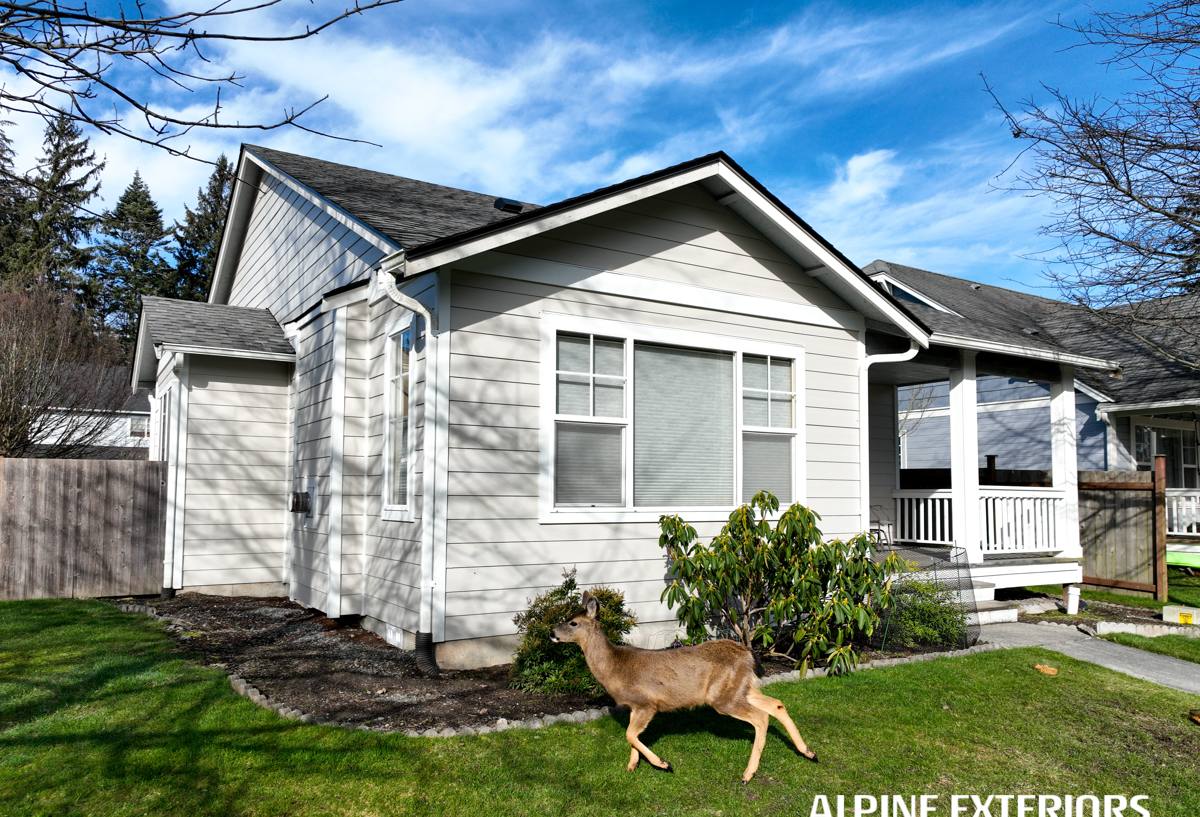
Common Roof Damage We See in St. Pete Beach
Wind and Storm Damage
High wind works roofing material at the weakest points first — ridge caps, hips, and the outer edges of the roof field. Shingles get lifted and cracked at the seal line, tiles shift or crack where they overlap, and fasteners work loose even when the material itself still looks fine from the ground. After any named storm or even a strong seasonal squall line off the Gulf, it's worth having those edge and ridge lines checked, because that's where a small lifted section turns into a leak path during the next round of rain.
Sun and Heat Damage
Pinellas County gets a lot of direct, intense sun almost every month of the year. UV exposure dries out asphalt shingles, causing granule loss and brittleness, and it accelerates the breakdown of sealants and rubber boots around vents and pipes. A roof here that looks "fine" from curb view can have sealants that have already gone hard and cracked underneath, which is a slow leak waiting to happen rather than an active one yet.
Salt Air Corrosion
Being this close to the water means airborne salt settles on everything, including the roof. It corrodes exposed metal fasteners, flashing, and vent boots faster than the same materials would wear a few miles inland. Once corrosion starts on a fastener or flashing seam, it doesn't stop on its own — it just keeps opening a small gap wider.
Wind-Driven Rain Intrusion
Straight-down rain and sideways rain behave very differently on a roof. Flashing, valleys, and underlayment that hold up fine in a normal shower can still let water in when wind pushes rain up and under shingle or tile edges. This is one of the most common reasons a roof "passes" a casual look but still leaks during a real storm.
Signs Your St. Pete Beach Roof Needs Repair
Most of the roofs we get called out to see fall into one of these categories. If you're seeing any of the following, it's worth having it looked at before the next heavy rain or wind event:
- Missing, cracked, or curling shingles, especially along ridges, hips, or roof edges
- Cracked, slipped, or loose roof tiles, or tiles that sound hollow or move when pressed
- Rusty streaks or corrosion around vent pipes, flashing, or metal roof valleys
- Ceiling stains, especially near chimneys, skylights, or where two roof planes meet
- Granules collecting in gutters or at the base of downspouts
- Soft or spongy spots underfoot when walked on the roof deck
- Daylight visible through the attic roof deck or soffit
- Sealant around penetrations (vents, pipes, AC lines) that looks cracked, shrunk, or chalky
What a Correct Roof Repair Actually Involves
A repair that actually holds up in this climate is more than swapping out a few visible shingles or tiles. It has to address the cause, not just the symptom.
Inspection Before Anything Else
We start by getting on the roof, not just looking at it from the ground. That means checking the roof deck itself where accessible, not just the surface layer, since wind and water damage often travels further than the visible break. We also check the attic side when possible, because staining, damp insulation, or daylight gaps tell you things the exterior surface won't.
Matching Materials, Not Just Covering the Spot
Whether it's shingles, tile, or metal roofing, a patch that doesn't match the surrounding material's profile, color, and wear level stands out and can create its own water path if it's not integrated correctly with the existing courses. On older roofs, exact color matches aren't always possible since materials fade and manufacturers change product lines — we'll tell you honestly what to expect rather than promise a seamless match we can't deliver.
Flashing and Underlayment First
Most leaks that keep coming back after a repair are actually flashing or underlayment failures, not a surface material problem. Valleys, chimney flashing, skylight curbs, and vent boots all need to be checked and, where degraded, replaced as part of the repair — not left in place because they're not the most visible piece.
Sealing for the Coastal Environment
Given the salt air and UV exposure here, we use fasteners and sealants suited to coastal conditions rather than whatever's cheapest, and we don't rely on sealant alone to do a flashing detail's job. Sealant is a backup, not the primary defense against wind-driven rain.
Roof Repair vs. Roof Replacement
Not every damaged roof needs to come off. But repairing a roof that's genuinely past its service life just delays a bigger bill and risks interior damage in the meantime. Here's how we think through it honestly:
| Situation | Repair Usually Makes Sense | Replacement Usually Makes Sense |
|---|---|---|
| Roof age | Well within its expected service life | At or past the end of its typical lifespan for the material |
| Damage extent | Isolated to one area, edge, or penetration | Spread across multiple roof planes or repeated leak history |
| Underlayment condition | Still intact and pliable in most areas | Widely brittle, torn, or failing under the surface layer |
| Deck condition | Solid, no soft spots or rot | Soft, delaminated, or water-damaged decking found |
| Material availability | Matching material still reasonably available | Discontinued material makes patch repairs visually or functionally difficult |
| Storm history | Single event, localized impact | Cumulative wind/hail damage across the whole roof |
We'll tell you which category your roof falls into and why, including when a repair is genuinely the right call rather than defaulting to recommending a full replacement.
Our Roof Repair Process for St. Pete Beach Homes
- On-site inspection: We assess the roof surface, flashing, penetrations, and accessible attic space to find the actual source of the problem, not just the visible symptom.
- Clear explanation: We walk you through what we found, what's causing it, and what repair options actually apply — including if a repair isn't the right long-term answer.
- Written scope and estimate: You get a clear description of the work and a straightforward cost range before anything is scheduled.
- Repair work: Damaged material is removed, the deck is checked, underlayment and flashing are addressed as needed, and matching material is installed and properly sealed and fastened for coastal wind exposure.
- Final check: We confirm the repair area, surrounding transitions, and any related flashing points are sound before we consider the job finished.
A Note on Permits
Depending on the scope of work, roof repairs in Pinellas County may require a permit and inspection. We handle that process as part of the job rather than leaving it for the homeowner to sort out, and we don't cut corners to avoid it.
Roofing Materials Common on St. Pete Beach Homes
We work on the roofing types most common to this area, and each has different repair considerations:
Asphalt Shingle
The most common roofing material in the area. Repairs are generally straightforward when caught early, but sun-faded or older shingle lines can be hard to color-match exactly, and repeated granule loss is usually a sign the whole field is aging out, not just the damaged section.
Tile Roofing
Common on both older and newer homes here. Tile itself often outlasts the underlayment beneath it — a lot of "tile roof leaks" are actually failed underlayment with the tile still perfectly intact. A proper tile repair sometimes means carefully lifting and resetting tile to get at the underlayment, not just sealing around a cracked piece.
Metal Roofing
Holds up well to wind but is not immune to salt-air corrosion at fasteners and seams over time. Repairs usually focus on fastener replacement, seam resealing, and flashing rather than the panels themselves.
Why Local, St. Pete Beach-Familiar Experience Matters
A barrier island roof faces a different combination of stresses than a roof further inland in St. Petersburg or elsewhere in Pinellas County — more direct wind exposure, more salt air, and often stricter wind-mitigation expectations tied to insurance and permitting. A crew that regularly works this specific area already knows what tends to fail first out here, what inspectors are looking for, and how to make a repair that's built for this environment rather than a generic patch job. That familiarity shows up in fewer callbacks and repairs that actually hold through the next storm season.
Keeping a St. Pete Beach Roof in Good Shape Between Repairs
- Have the roof looked at after any significant wind or storm event, even if you don't see obvious damage from the ground
- Keep gutters and downspouts clear so water doesn't back up under roof edges
- Trim back overhanging branches that can drop debris or hold moisture against the roof
- Check attic ventilation periodically — poor ventilation accelerates heat and moisture damage from the inside
- Have sealant around vents, pipes, and flashing inspected every year or two, since UV exposure breaks it down faster here than in milder climates
If you're dealing with a leak, storm damage, or just want an honest read on the condition of your roof, we're happy to take a look. The estimate is free, there's no pressure to move forward, and you'll get a straight answer about whether repair or replacement is the right call — use the form below to get started.