 St. Petersburg Window
 Roofing in Kenneth City Takes a Different Kind of Beating
Kenneth City is a small, established residential community tucked into Pinellas County between St. Petersburg and the surrounding suburbs. Many of its homes are older, single-story properties built decades ago, and their roofs have spent years absorbing exactly the kind of punishment that Tampa Bay weather delivers: hurricane-force wind gusts during tropical systems, wind-driven rain that gets pushed sideways under poorly sealed edges, relentless year-round UV exposure, and a steady dose of salt-laden air moving in off the Gulf. None of these forces act alone. They compound each other, and that combination is why roofs in this part of Pinellas County often show wear patterns you don't see as much inland.
A roof replacement here isn't just about swapping old shingles for new ones. It's about correcting whatever let the old roof fail early in the first place, and building the new one to actually hold up to another decade or two of the same climate.
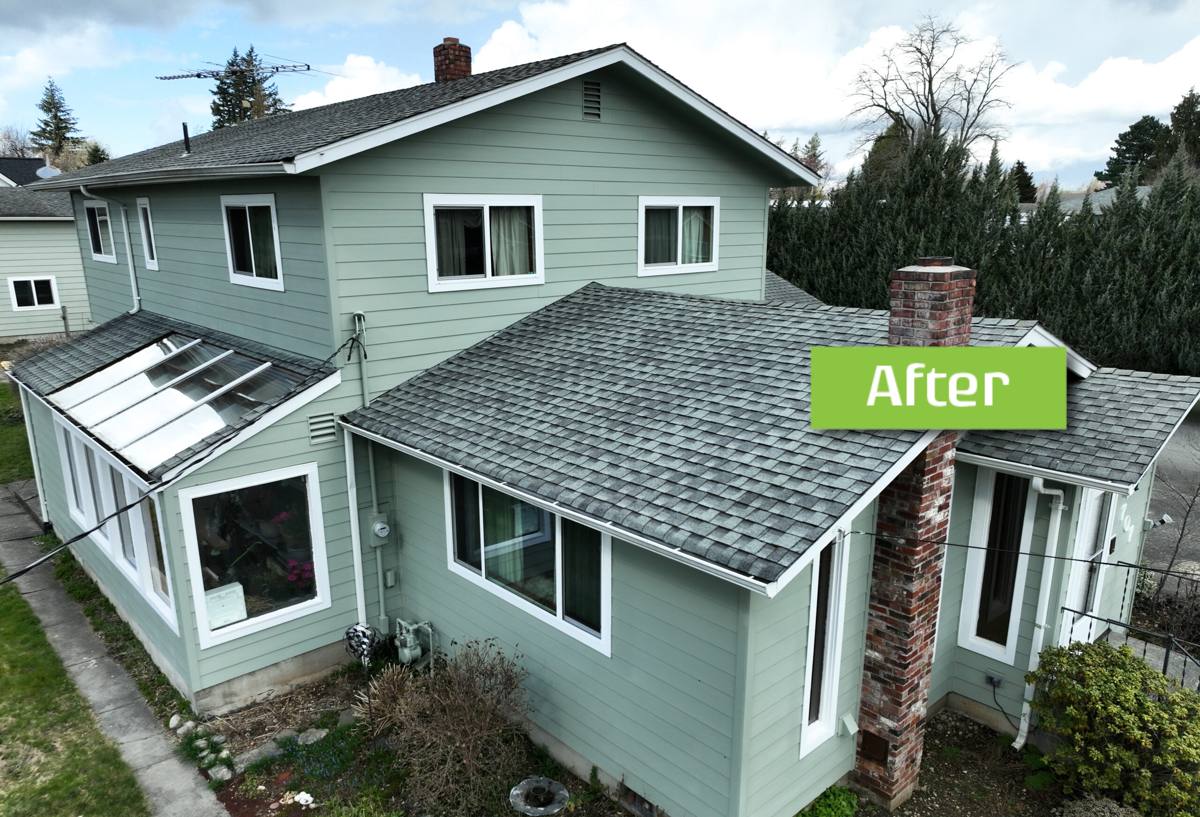
How to Tell a Kenneth City Roof Needs Replacement, Not Another Repair
Roof repairs make sense when the damage is isolated. Replacement becomes the honest recommendation once the roofing system as a whole has aged out or been compromised in more than one place. Signs we look for on local homes include:
- Granule loss heavy enough to expose the shingle mat, usually worst on south- and west-facing slopes that take the most direct sun
- Curling, cupping, or cracked shingles from years of UV and heat cycling
- Soft spots or visible sagging in the decking, often found near valleys or old pipe penetrations
- Repeated leaks in different spots after storms, rather than one recurring leak in the same place
- Rusted or lifted flashing around chimneys, vents, and walls where wind-driven rain finds a way in
- A roof that's already 18-20+ years old, regardless of how it looks from the ground
If a roof is only a few years old and the damage is limited to one section, a targeted repair is usually the right call and the honest one. We'll tell you which situation you're in before we ever talk about replacement.
What a Correct Roof Replacement Actually Involves
It's Not Just the Shingles
The shingles or tiles are the most visible part of a roof, but they're only one layer of a system. A replacement that skips or shortcuts the layers underneath is a roof that will fail again well before its time, especially in a climate that stresses every seam and fastener the way ours does.
The Layers That Actually Do the Work
- Full tear-off down to the decking, so hidden rot, soft spots, or old damage aren't sealed under a new roof
- Decking repair or replacement wherever plywood or boards have weakened from past leaks
- Underlayment rated for wind-driven rain, since Pinellas County storms rarely fall straight down
- Flashing at every roof-to-wall transition, chimney, skylight, and vent pipe — this is where most leaks actually start
- Ventilation at the ridge and soffit, so heat and moisture don't build up in the attic and cook the new roof from underneath
- Fastening pattern and wind rating matched to what Florida Building Code requires for this area
Skipping any one of these to save a day of labor is how a roof ends up leaking again in year three instead of year twenty.
Roofing Material Options for Kenneth City Homes
There's no single "best" roofing material — the right choice depends on the home's roof structure, budget, and how long the owner plans to stay in it. Here's how the common options compare for this climate:
| Material | Typical Lifespan | Wind & Storm Performance | Trade-Offs |
|---|---|---|---|
| Architectural asphalt shingle | 20-30 years | Strong when properly fastened and rated for local wind speeds | Most affordable; needs correct nailing pattern and underlayment to perform well here |
| 3-tab asphalt shingle | 15-20 years | Lower wind rating than architectural shingles | Lowest upfront cost, but shorter service life in coastal wind |
| Concrete or clay tile | 40-50+ years | Very good once properly fastened; individual tiles can crack from impact | Higher upfront cost and heavier structural load; repairs require matching tile |
| Standing seam metal | 40-50+ years | Excellent wind uplift resistance when installed correctly | Highest upfront cost; requires an experienced installer for watertight seams |
| Low-slope / flat roof systems (modified bitumen, TPO) | 15-25 years | Performance depends heavily on drainage and seam quality | Common on additions or older ranch-style sections; needs regular inspection |
Many of the older homes in Kenneth City have straightforward gable or hip roof lines, which makes architectural asphalt shingle the most common and most cost-effective choice. Homes with additions or flat-roofed sections sometimes need a second material to handle that portion correctly.
Why We Don't Push Every Product to Every Homeowner
Some materials that look appealing on paper come with trade-offs that matter more in this climate than they do elsewhere — heavier maintenance schedules, moisture behavior that punishes even small installation mistakes, or warranty terms that only hold up under very specific installation methods. Our standard is to recommend what fits the home's structure and the homeowner's budget and timeline honestly, not whatever carries the best margin.
Wind, Code, and Why It Matters Here
Florida Building Code sets minimum wind-uplift and fastening requirements for roofing, and those requirements exist because of exactly the storm patterns Pinellas County sees. A roof that meets code on paper but was installed with the wrong nail pattern, insufficient fasteners, or mismatched underlayment can still fail in a strong wind event. Correct replacement means pulling the required permit, following the fastening schedule for the material and wind zone, and passing inspection — not just getting shingles on the roof before the next storm season.
Our Roof Replacement Process
- On-site inspection — we assess the current roof, decking condition, ventilation, and any trouble spots specific to the home
- Written estimate — clear scope, material options, and pricing, no vague allowances
- Permit pulled — handled before work starts, as required for roof replacement in this area
- Tear-off and decking check — old roofing removed, decking inspected and repaired where needed
- Underlayment and flashing — installed to handle wind-driven rain, not just vertical rainfall
- Roofing material installed — following the fastening pattern required for the wind zone
- Ventilation check — ridge and soffit vents confirmed clear and functional
- Final inspection and cleanup — magnetic sweep for nails, debris hauled off, site left clean
We walk homeowners through each stage before it happens, so there are no surprises about timeline or scope once the tear-off starts.
Permits, Inspections, and Insurance
Roof replacement in Pinellas County requires a permit and a final inspection — that's not optional, and any contractor willing to skip it is putting the homeowner at risk on both the workmanship and the insurance side. Most homeowners' insurance carriers also want documentation of the replacement, including material type and installation date, both for coverage purposes and for potential wind-mitigation discounts. We handle the permit and provide the paperwork homeowners need for their insurance file.
What Affects the Cost of a Roof Replacement
| Factor | Why It Matters |
|---|---|
| Roof size and pitch | More square footage and steeper pitches mean more material and labor time |
| Number of layers being removed | Tearing off multiple old layers costs more than a single-layer tear-off |
| Decking condition | Rotted or soft decking sections need to be replaced before new roofing goes on |
| Material chosen | Asphalt shingle, tile, and metal carry very different material and labor costs |
| Roof complexity | Valleys, dormers, skylights, and multiple penetrations add labor and flashing work |
| Ventilation upgrades | Adding or improving ridge/soffit ventilation is a smart add during replacement, not after |
Because of these variables, an accurate number only comes from an actual inspection — anyone quoting a firm price over the phone without seeing the roof is guessing.
Questions Worth Asking Before You Hire
- Is the company licensed and insured to do roofing work in Pinellas County?
- Will they pull the required permit themselves, or leave that to you?
- Do they inspect and replace damaged decking as part of the scope, or only if you ask?
- What underlayment and fastening pattern will they use, and is it rated for local wind speeds?
- Is the estimate itemized, or a single lump sum with no breakdown?
- How long has the crew actually been working in this part of Pinellas County?
Why a Local Crew Makes a Real Difference
A crew that regularly works in Kenneth City and the surrounding St. Petersburg area already knows the housing stock, the common roof structures, and how the local permitting process works, which keeps a project moving instead of stalling on paperwork. Local presence also matters after the sale — if a question comes up after a storm or a few years down the road, you're calling a company that's still working in your neighborhood, not chasing down someone who moved on to another region.
If your roof is showing its age or you're not sure whether it needs repair or full replacement, we're happy to take a look and give you a straight answer. Reach out for a free, no-pressure estimate using the form below.