 St. Petersburg Window
 Fiber Cement Siding in Seminole: Built for This Specific Coastline
Seminole sits close enough to the Gulf that salt air, humidity, and wind-driven rain are part of daily life for the homes here, whether they're a block from the water or several miles inland along Park Boulevard's corridor. Siding in this part of Pinellas County isn't a cosmetic choice — it's the first line of defense between your framing and a climate that combines three things most of the country never has to deal with at once: sustained subtropical humidity, intense UV exposure nearly year-round, and the real possibility of hurricane-force wind and wind-driven rain during storm season. A siding product and installation that works fine in a drier, milder climate can fail here in ways that show up as soft trim, streaking, cracked caulk lines, and paint that chalks and fades long before it should.
This page is about one product, in one place: James Hardie fiber cement siding, installed on homes in Seminole. We don't try to be everything to everyone — we install Hardie because it's engineered for exactly the conditions this coastline throws at a house, and we don't cut corners on the install because a good product with a bad installation still fails.
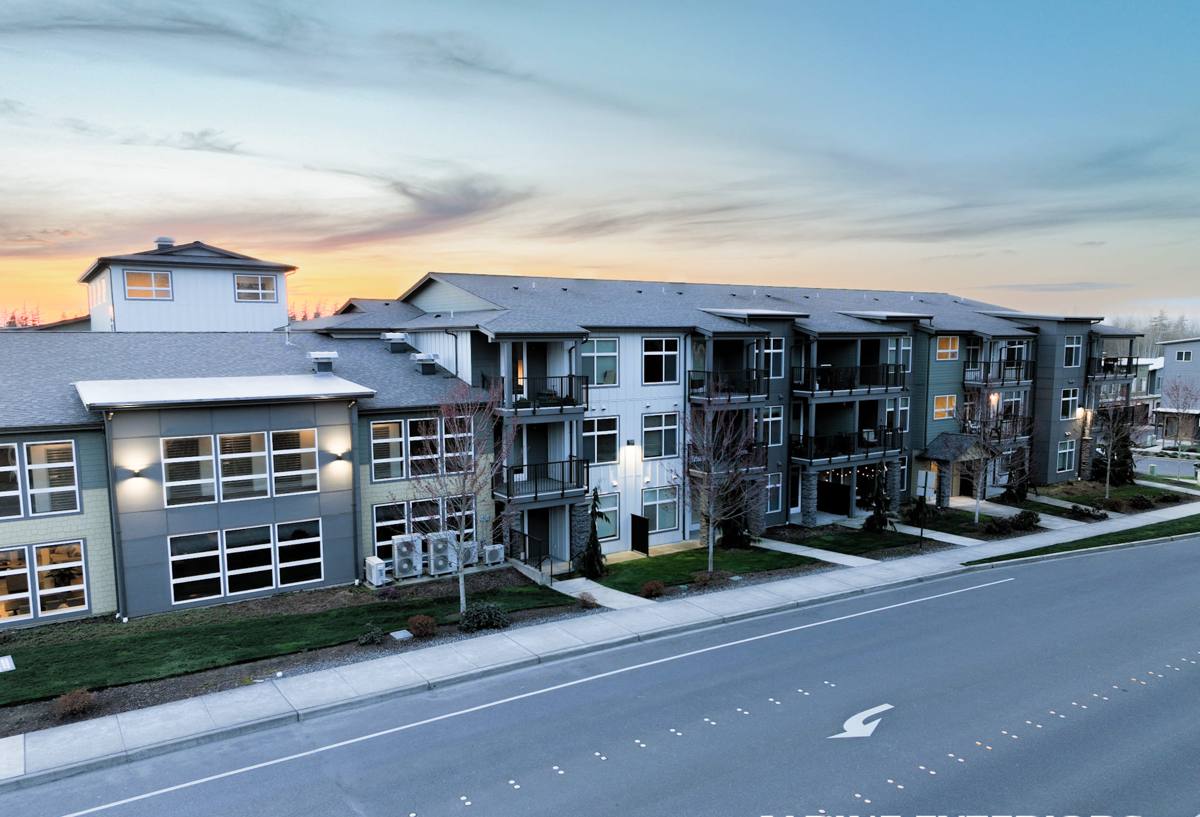
What Seminole's Climate Actually Does to Siding
Salt Air and Humidity
Even homes that aren't waterfront in Seminole get salt-laden air moving in off the Gulf regularly. Combined with Pinellas County's humidity, that's a slow, steady corrosive and moisture load on anything installed on the exterior. Wood-based products absorb that moisture cycle after cycle — swelling, drying, swelling again — which is what eventually causes warping, rot at the edges, and paint failure. Metal fasteners and trim that aren't rated for coastal exposure corrode faster here than almost anywhere else in the state.
UV Load
Florida gets more direct sun hours annually than most of the country, and St. Petersburg specifically markets itself on that fact. For siding, that's a real liability if the product's finish isn't built to hold color and integrity under constant UV bombardment. Cheaper paint systems chalk, fade unevenly (worse on south- and west-facing walls), and eventually crack, letting moisture behind the siding.
Wind and Wind-Driven Rain
Seminole isn't immune to the tropical systems that move through the Gulf. Sustained hurricane-force winds test every fastener and every seam in a siding system, and wind-driven rain gets forced sideways and upward into gaps that would never see water in a normal rainstorm. A siding job that's only built for gravity-fed rain will leak here during the storms that matter most.
Why We Install Only James Hardie Fiber Cement
We don't install vinyl, LP SmartSide, primed wood, cedar, or other fiber cement brands like Cemplank or Allura. That's a deliberate standard, not a marketing line. Vinyl softens and warps in extreme heat and can crack in wind-driven debris; engineered wood products are still wood-based at the core and vulnerable to the moisture cycling described above; unfinished or site-primed wood and cedar demand a maintenance schedule most homeowners don't keep up with in a climate this punishing. James Hardie fiber cement is non-combustible, dimensionally stable in humidity swings, and available in HZ5 formulations engineered specifically for hot, humid climates like ours. Its factory-applied ColorPlus finish is baked on and warranted against fading and peeling in a way field-applied paint systems can't match. That combination — material stability plus finish durability — is why it's the only product we put on Seminole homes.
How Hardie Fiber Cement Compares
| Factor | James Hardie Fiber Cement | Vinyl Siding | Wood / Engineered Wood |
|---|---|---|---|
| Coastal humidity resistance | Engineered for it (HZ5 line) | Doesn't rot, but warps/distorts in heat | Absorbs moisture, prone to swelling and rot |
| UV / fade resistance | Factory ColorPlus finish, long fade warranty | Chalks and fades, especially darker colors | Field paint fades and chips faster |
| Wind/impact durability | Rigid, holds up to wind-driven debris | Can crack or blow off in high wind | Vulnerable to impact damage and cracking |
| Fire resistance | Non-combustible | Combustible, can melt | Combustible |
| Maintenance | Occasional wash, no repainting for years | Low, but limited repair options | Regular repainting/sealing required |
What a Correct Fiber Cement Job Involves
Fiber cement siding is only as good as its installation, and this is where a lot of jobs quietly go wrong. It's a heavier, more rigid material than vinyl, and it has specific requirements around fastening, clearances, and moisture management that matter more here than in a dry climate.
Moisture Management Behind the Siding
Correct installation starts with a weather-resistive barrier and properly integrated flashing at every window, door, and penetration — not caulk substituting for flashing. In a climate with wind-driven rain, water will find any gap in the drainage plane, and the siding itself is the last layer, not the only layer, of protection.
Fastening for Wind Zones
Fasteners need to be corrosion-resistant (stainless or hot-dip galvanized, per manufacturer spec) and placed according to Hardie's fastening schedule for our wind zone — not "close enough." Under-fastened or improperly placed nails are one of the most common causes of fiber cement siding failing prematurely in a storm.
Clearances That Prevent Rot
James Hardie specifies minimum clearances between the bottom edge of siding and grade, roofing, decks, and other horizontal surfaces. Skipping these clearances is one of the most common installation mistakes we see when we're called out to look at another contractor's work — it traps moisture right where it does the most damage.
Caulking and Joint Treatment
Butt joints, corners, and trim intersections need the right sealant, applied correctly, at the right stage of installation. Caulk is a detail, not a fix — it should never be asked to do the job that flashing and proper overlap should already be doing.
Our Process for Seminole Homes
- On-site assessment: We walk the exterior, check current siding and sheathing condition, and look specifically for existing moisture damage common in this area — soft spots near grade, at window sills, and around roof-to-wall transitions.
- Scope and product selection: We spec the right Hardie line and profile for the home (lap, shingle, or panel) and confirm color and finish options that hold up to direct Gulf Coast sun exposure.
- Substrate prep: Any damaged sheathing or framing found during tear-off gets repaired before new siding goes on — installing new siding over compromised substrate just hides a problem instead of solving it.
- Weather barrier and flashing: We install a continuous weather-resistive barrier and integrate flashing at every penetration before the first piece of siding goes up.
- Installation to manufacturer spec: Fastening schedule, clearances, and joint treatment follow James Hardie's published requirements for our climate zone, not shortcuts.
- Final walkthrough: We inspect every elevation with the homeowner before calling the job complete.
Why a Crew That Already Works Seminole Matters
There's a difference between a contractor who's installed Hardie somewhere and a crew that installs it specifically in Pinellas County conditions on a regular basis. A crew working Seminole and the surrounding St. Petersburg area routinely knows what wind zone the county requires fasteners and clearances to meet, has already seen what happens to siding that's under-flashed here after a season of storms, and isn't guessing at how a particular ColorPlus finish actually looks and holds up under this specific sun exposure over a few years. That local repetition is what turns a manufacturer's spec sheet into a reliable installation.
It also means faster, more accurate estimates and scheduling that accounts for local permitting and typical weather windows, rather than a crew learning the area's quirks on your project.
Signs Your Current Siding Is Already Losing the Fight
- Soft or spongy spots when pressed near the bottom edges or around windows
- Visible warping, bowing, or gaps between panels or boards
- Paint that's chalking heavily, peeling, or fading unevenly by elevation
- Cracked or missing caulk at joints, corners, and trim
- Staining or streaking that suggests water is tracking behind the siding
- Increased pest activity (a common sign of moisture-softened wood-based siding)
- Rising interior humidity or musty odor near exterior walls
Cost Factors Homeowners Should Understand
Every Seminole home is different, so we don't quote broad numbers without seeing the property, but the factors that actually move a fiber cement project's cost are consistent:
| Factor | Why It Matters |
|---|---|
| Home size and elevation count | More square footage and more corners/elevations mean more material and labor |
| Substrate condition | Rotted sheathing or framing found during tear-off adds repair scope before siding can go on |
| Siding profile and trim complexity | Shingle-style or heavily trimmed designs take longer than plain lap siding |
| Color and finish selection | ColorPlus factory finishes vs. field-painted primed panels affect both cost and long-term maintenance |
| Access and site conditions | Tight lots, landscaping, or multi-story sections affect labor time |
Maintaining Hardie Siding on the Gulf Coast
One of the practical advantages of fiber cement over wood-based alternatives is how little ongoing maintenance it demands, but "little" isn't "none." In Seminole's salt air and humidity, we recommend an annual rinse-down to clear salt residue and organic buildup, a visual check of caulk lines and trim after storm season, and prompt attention to any impact damage from debris. That's a fraction of the upkeep a wood or engineered-wood system requires, but it's still worth doing to protect the warranty and the finish.
Get a Straightforward Estimate
If your Seminole home's siding is showing its age, or you're planning ahead of the next storm season, we're happy to come take a look and give you an honest read on what it needs. There's no pressure and no obligation — just a real assessment from a crew that installs James Hardie fiber cement siding on homes in this climate every week. Request your free estimate using the form below.