 St. Petersburg Window
 Siding Repair Built for Gulfport's Waterfront Exposure
Gulfport sits right on Boca Ciega Bay, which means homes here take a different kind of beating than siding a few miles inland in St. Petersburg proper. The combination of near-constant salt air, direct bay-facing wind, and intense Florida sun ages exterior siding faster than almost anywhere else in Pinellas County. When we get repair calls from Gulfport, the damage pattern is usually consistent: panels facing the water show more fading and material breakdown than panels on the street side of the same house, and moisture problems cluster around trim, corners, and anywhere water can sit against the wall.
Siding repair in this kind of environment isn't just patching a hole or replacing a cracked board. It's understanding why that section failed in the first place, because if the underlying cause — a flashing gap, a caulk failure, a drainage problem — isn't fixed, the same spot will fail again in a year or two, waterfront exposure or not.
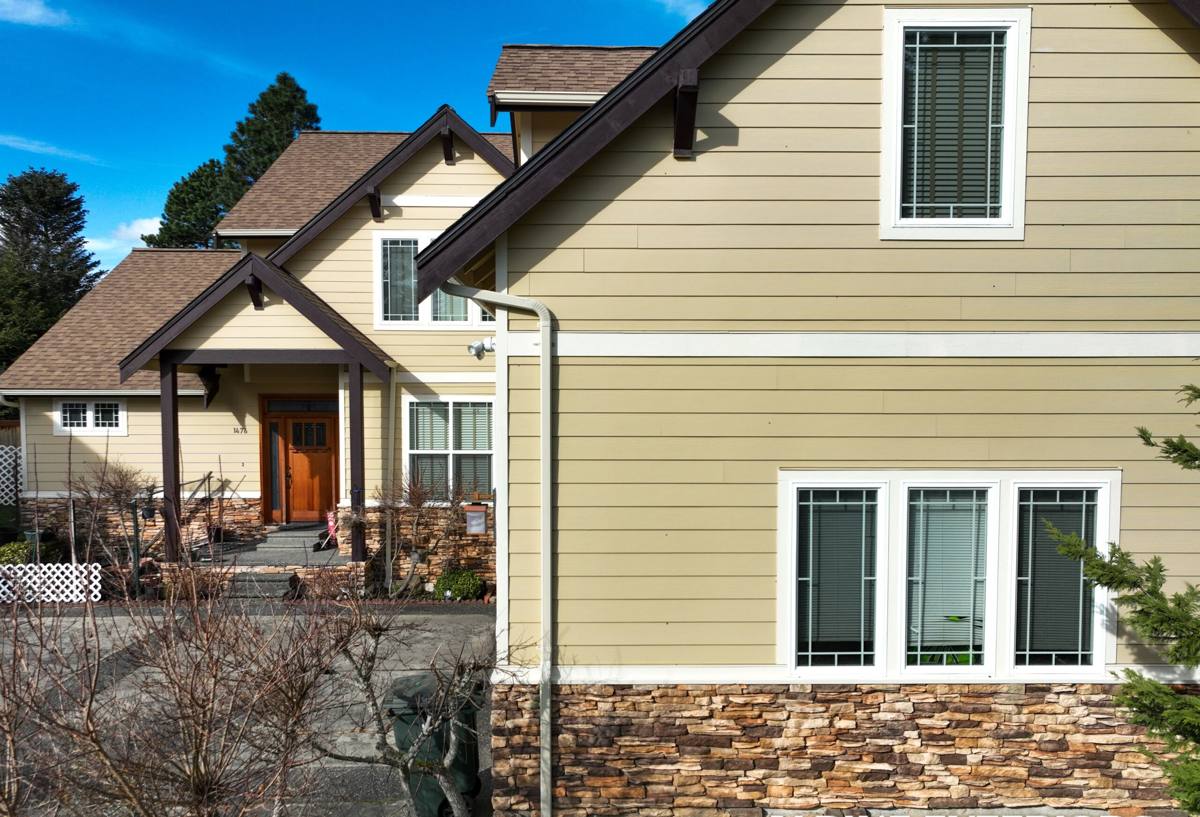
What Gulfport's Climate Actually Does to Siding
Salt Air and Corrosion
Homes within a few blocks of the bay deal with airborne salt that settles on siding, trim, and fasteners. Over time, salt exposure accelerates the breakdown of lower-grade materials and corrodes exposed metal fasteners, trim flashing, and hardware. Siding that isn't rated for coastal exposure — or wasn't installed with corrosion-resistant fasteners — tends to show its age here years before an identical product would inland.
Wind-Driven Rain
St. Petersburg's storm pattern isn't just heavy rainfall — it's rain pushed sideways by wind, which forces water into joints, seams, and fastener penetrations that would stay dry in a calm rain. This is where most of the moisture damage we find in Gulfport actually starts: not from a single dramatic storm, but from years of wind-driven rain finding small gaps in caulking, trim, or panel overlaps.
UV Exposure
Gulfport gets sun nearly year-round, and siding facing south or west takes the brunt of it. UV breaks down paint film and, on some materials, the substrate underneath. Chalking, fading, and surface degradation show up faster on unprotected or poorly finished siding than most homeowners expect.
Hurricane and Tropical Storm Wind
Even when a storm doesn't make a direct hit, Pinellas County regularly sees tropical-storm-force wind gusts that stress siding attachment points. Loose panels, popped fasteners, and lifted corners after a windstorm are common repair calls, and they're worth addressing quickly — a panel that's been flexed loose is far more vulnerable the next time wind picks up.
Common Siding Problems We See in Gulfport Homes
- Fastener corrosion and popped panels — metal fasteners degrading from salt exposure, letting panels work loose
- Moisture intrusion at trim and corners — failed caulk joints or flashing letting water behind the siding
- Soft or delaminating panels — moisture that's been sitting behind siding long enough to damage the substrate
- UV-faded or chalking finish — paint film breaking down on sun-exposed elevations
- Impact damage — debris strikes during wind events cracking or denting panels
- Gaps or separation at seams — panels that have expanded, contracted, and pulled apart over repeated wet/dry cycles
What a Correct Repair Actually Involves
A siding repair that's done right starts before anyone touches a panel. We look at why the damage happened, not just where it is. Pulling a damaged section and popping in a replacement without addressing the cause — a bad flashing detail, missing house wrap, a caulk joint that was never sealed properly — just buys a homeowner a few more years before the same repair call comes back.
Our process for a Gulfport siding repair:
- Assessment — we inspect the damaged area and the surrounding siding, checking for moisture intrusion, soft spots, and whether the problem is isolated or a sign of a broader issue on that elevation.
- Diagnosis — we identify the actual cause: a fastener issue, a flashing or drainage problem, sun exposure, storm impact, or age-related material failure.
- Scope the real repair — sometimes that's a single panel. Sometimes it's a section that needs proper flashing or house wrap repair underneath before new siding goes back on. We tell you which one it is and why.
- Matching materials — replacement panels need to match existing siding in profile, exposure, and finish as closely as possible so the repair doesn't stand out.
- Correct fastening and sealing — proper fastener type and placement, correctly lapped joints, and sealant only where the manufacturer's install spec actually calls for it.
- Final check — we confirm the repair is weathertight and that drainage paths behind the siding are clear, not just that it looks fine from the sidewalk.
Repair vs. Replace: How We Help You Decide
Not every damaged section needs a full re-side, and not every repair is worth doing on siding that's near the end of its life. Here's how we generally think about it:
| Situation | Usually Repair | Usually Replace |
|---|---|---|
| Damage limited to one or two panels, rest of wall sound | Yes | No |
| Moisture damage isolated to a corner or trim detail | Yes | No |
| Widespread soft/delaminating panels across an elevation | No | Yes |
| Siding is original, 20+ years old, and failing in multiple spots | No | Yes |
| Repeated repairs needed on the same wall over a few years | No | Yes |
| Cosmetic fading or chalking with no structural issue | Sometimes (repaint) | No |
We'll tell you honestly which category your siding falls into. If a section can be properly repaired, that's what we'll recommend — there's no reason to replace an entire elevation over a localized problem.
Why Material Choice Matters When You're Making Repairs
If your existing siding is a material that struggles in salt air and wind-driven rain to begin with, repairs on it are fighting an uphill battle. This is part of why we only install James Hardie fiber cement siding — it's a non-combustible product engineered specifically for demanding climates, including HardiePanel and HardiePlank lines built for high-moisture, high-UV regions like the Gulf Coast. Hardie's ColorPlus factory-applied finish is baked on and warranted against fading in a way field-applied paint isn't, which matters directly for west- and south-facing walls that take the brunt of Florida sun.
We don't install vinyl, LP SmartSide, primed wood, or other engineered wood sidings, and it's not a marketing position — it's a maintenance and moisture-performance decision based on what holds up in this exact climate. When we're called to repair siding that isn't Hardie, we'll still do the job correctly and match materials where possible. But if you're weighing a repair against eventually replacing a full wall or the whole house, it's worth knowing what the better long-term material actually is for a bay-facing Gulfport home.
Why Hire a Crew That Already Works in Gulfport
Siding repair here isn't the same job as siding repair in a landlocked neighborhood. A crew that regularly works Gulfport and the surrounding St. Petersburg waterfront knows what corrosion-resistant fastening actually requires in this air, how much flashing and drainage detail matters given the wind-driven rain pattern, and what realistic wear looks like on a 10-year-old wall two blocks from the bay versus one a mile inland. That local pattern recognition is the difference between a repair that solves the problem and one that just covers it up for a season.
We also know how to work around Gulfport's older housing stock and mix of home styles, matching repairs cleanly instead of leaving an obvious patch. That matters for resale value and curb appeal as much as it does for weather performance.
What to Check Before You Hire Anyone for Siding Repair
- Do they inspect for the underlying cause of the damage, or just quote replacing the visible panel?
- Are they using fasteners and flashing details rated for coastal salt exposure?
- Can they match your existing siding's profile and finish, or will the repair be visibly different?
- Do they carry proper licensing and insurance for exterior work in Pinellas County?
- Will they give you a straight answer on repair vs. replace, even if repair is the cheaper answer for them?
- Do they check for moisture behind the siding, not just surface damage?
Get an Honest Look at Your Siding
If you're seeing loose panels, soft spots, fading, or damage after a storm on your Gulfport home, it's worth having someone look at it before small problems become bigger, more expensive ones. We'll give you a straight assessment of what's actually going on, what it'll take to fix it correctly, and whether repair or replacement makes more sense for your situation — no pressure either way. Fill out the form below for a free estimate.