 St. Petersburg Window
 St. Petersburg's Climate Is Rough on Historic Kenwood's Siding
Historic Kenwood is one of St. Petersburg's older residential neighborhoods, and a lot of the homes here were built well before modern hurricane-rated construction standards existed. That combination — older framing and decades of Gulf Coast weather — puts real stress on exterior siding. Pinellas County sees hurricane-force wind events, punishing year-round UV exposure, wind-driven rain that gets pushed sideways into walls instead of falling straight down, and salt-laden air drifting in off Tampa Bay and the Gulf. None of that is unique to Kenwood, but the age and construction style of many homes here means the siding has usually taken more of a beating, for longer, than siding on a newer build across town.
Repairing siding correctly in this environment means understanding both what caused the damage and what's likely to cause the next round of it. A patch that looks fine on day one but doesn't address moisture intrusion or UV breakdown underneath is a repair that fails again within a year or two.
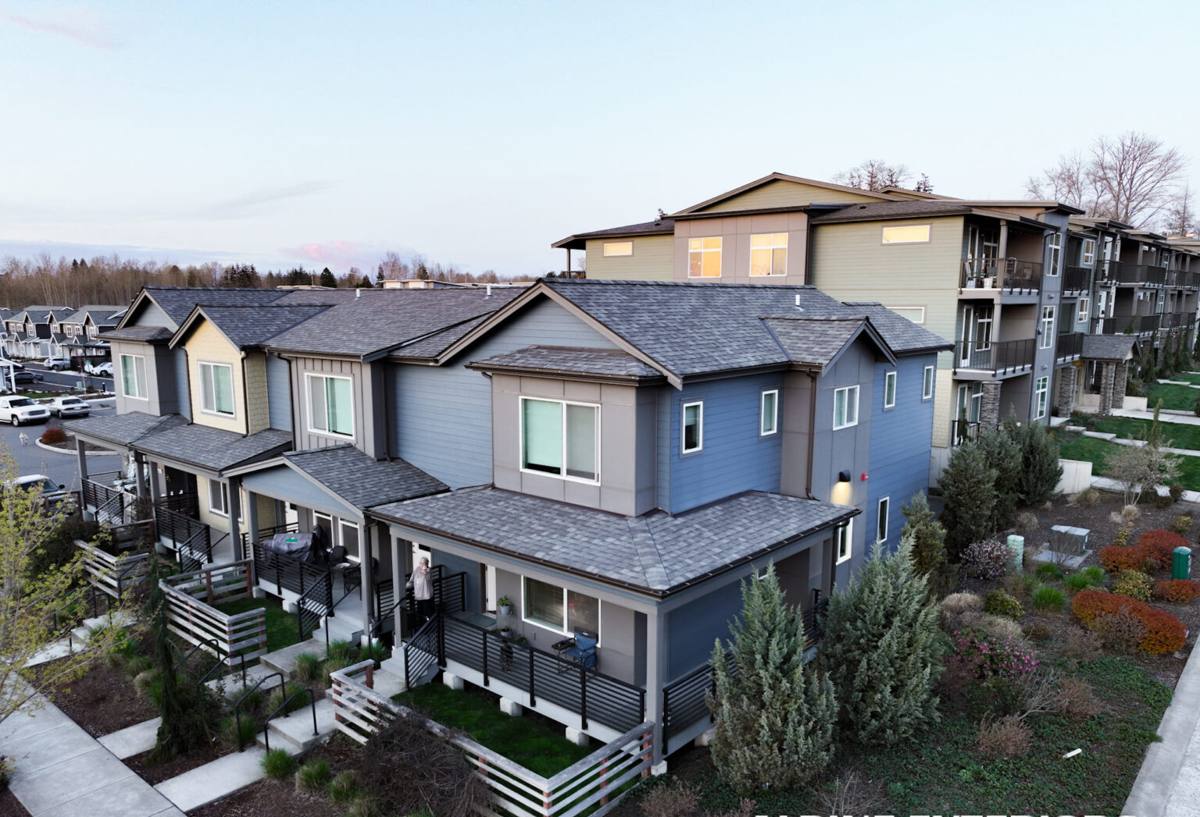
Common Siding Damage We Find in Historic Kenwood
Sun and Heat Fatigue
Florida sun is relentless, and siding on south- and west-facing walls takes the worst of it. Paint chalks and fades, caulk joints dry out and crack, and some siding materials — particularly wood and lower-grade composites — start to warp, cup, or split as they expand and contract through daily heat cycles.
Wind and Storm-Driven Damage
Straight-line wind gusts and tropical storm systems can crack, lift, or completely tear off sections of siding, especially where fastening was marginal to begin with or where a previous repair wasn't tied in properly. Wind-driven rain finds every gap a storm creates and pushes water behind the siding, which is often where the real damage starts.
Trapped Moisture and Rot
This is the damage you don't see until it's serious. Water gets behind a cracked or poorly sealed siding panel, has nowhere to dry out, and starts breaking down whatever is underneath — sheathing, trim, sometimes framing. In a historic home, that hidden layer is often original material that's already decades old and has less margin for additional moisture damage.
Warning Signs It's Time to Call for a Repair
Most siding problems give some notice before they become expensive. Homeowners in Kenwood should watch for:
- Visible cracks, splits, or holes in siding panels or boards
- Boards that feel soft, spongy, or crumble slightly when pressed
- Peeling or bubbling paint, especially in one concentrated area
- Staining or dark streaks that keep coming back after cleaning
- Gaps opening up at seams, corners, or where siding meets trim
- A musty smell near an exterior wall, or a slight give in interior drywall near that wall
- Loose or rattling sections after a windstorm
- Warping, cupping, or bowing visible when you sight down the wall
Any one of these on its own might be minor. Several appearing in the same area, or damage that keeps returning after a cosmetic fix, usually means there's a moisture or structural issue that needs a closer look, not just a new coat of caulk.
What a Correct Siding Repair Actually Involves
A repair that's done right starts before anyone touches the damaged board. It means figuring out why that section failed — was it a one-time storm impact, or ongoing moisture intrusion that will damage the replacement too if it's not addressed? Skipping that step is the most common reason siding repairs don't last.
Once the cause is understood, a proper repair typically includes:
- Removing the damaged section without disturbing more of the surrounding siding than necessary
- Inspecting the sheathing, moisture barrier, and framing behind the damaged area for hidden rot or water intrusion
- Repairing or replacing any damaged substrate before new siding goes back on
- Re-establishing proper flashing and water-shedding detail at seams, windows, and trim
- Installing a matching replacement piece with correct fastening and clearances
- Sealing and finishing the repair so it blends with the surrounding siding rather than standing out as an obvious patch
Skip the inspection step, and you're just covering up a problem that's still active behind the new material.
Repair or Replace? How We Help You Decide
Not every damaged section means the whole wall needs to come off. But there's a point where repeated repairs cost more, over time, than tackling a full re-side. Here's the general framework we use when we're standing in front of a Kenwood home:
| Situation | Repair usually makes sense | Replacement usually makes sense |
|---|---|---|
| Extent of damage | Isolated to one or two areas | Spread across multiple walls or elevations |
| Underlying material | Sheathing and framing test sound | Rot or water damage found behind more than one repair site |
| Siding age | Relatively recent, still within its expected service life | Original siding decades old, already at or past its useful life |
| Repair history | First repair in this area | Same area has already been patched more than once |
| Material match | Matching product is still available or close enough to blend | Product is discontinued or so weathered a patch will visibly stand out |
We'll always give you a straight answer on which side of that line your home falls, including when a repair is genuinely the right call and a full re-side would be overkill.
Why We Repair With James Hardie Fiber Cement
Our company installs and repairs with James Hardie fiber cement siding exclusively. We don't install vinyl, LP SmartSide, Cemplank, Allura, or primed spruce or cedar siding, and that standard applies to repair work too. It's worth explaining why, honestly.
Vinyl expands and contracts significantly with Florida's heat, which makes long-term color and fit matching on a repair difficult, and it can become brittle with age and UV exposure. Wood siding — spruce, cedar, or otherwise — is genuinely attractive, but it's the material most vulnerable to the exact conditions that cause the rot and moisture damage we see most often in this climate; a wood repair on a home that already has moisture issues is treating a symptom, not the cause. Engineered wood products like LP SmartSide use a resin-treated substrate that performs reasonably in drier climates, but they carry documented sensitivity to sustained moisture exposure at cut edges and seams — exactly the failure points a coastal, storm-prone climate stresses hardest. Other fiber cement brands aren't a bad category of product, but we've standardized on Hardie because of how consistently it performs when installed to spec, its factory-applied ColorPlus finish that holds color under UV without repainting for years, and a transferable warranty backed by a manufacturer with a long track record in exactly this kind of climate.
Practically, that means when we repair a section of siding, we're not mixing materials or introducing a component with different expansion behavior, moisture tolerance, or expected lifespan than the rest of the wall. The repair is built to perform the same way, and for the same length of time, as everything around it.
Repairing Siding on a Historic Home Without Losing Its Character
Kenwood's identity is tied to its older bungalow and Craftsman-style architecture, and homeowners here are rightly protective of that look. A siding repair shouldn't change the character of the house — it should be close to invisible once it's done. That means matching board width, exposure (reveal), and profile to what's already on the wall, and matching color as closely as the existing material allows, whether that's through a factory finish or a professional field-applied match.
If your property sits within a designated historic district, exterior changes can be subject to local design review, and requirements vary by property. We won't pretend to know the specifics of every case in advance, but we work with homeowners to figure out what documentation or approval process applies before work starts, so there are no surprises partway through a project.
Our Siding Repair Process
- On-site inspection of the damaged area and a check of the surrounding siding, trim, and any adjacent areas prone to the same exposure
- Removal of damaged material and inspection of the sheathing and moisture barrier underneath
- A straight conversation with you about what we found, what it will take to fix it correctly, and what it costs — before any repair work starts
- Repair of any hidden substrate damage, if present
- Installation of matching James Hardie material with correct fastening, flashing, and sealant detail
- Finish work so the repaired section blends with the rest of the wall
- Final walkthrough with you before we consider the job done
Why It Matters to Hire a Crew That Already Works in Kenwood
Siding repair on an older home isn't the same job as siding repair on new construction. A crew that already works in Historic Kenwood has seen how these homes were originally built, what tends to be hiding behind the siding on a house of this age, and what a repair needs to look like to actually match the surrounding material rather than standing out as an obvious patch. That experience shortens the guesswork on-site and helps avoid the trial-and-error that drives up cost on a repair job.
There's also a practical, local-knowledge side to it: familiarity with the kind of storm exposure specific parts of the neighborhood get, quicker response after a wind event, and — where it applies — some working knowledge of how historic-district considerations tend to play out for exterior repair work in this area. None of that replaces a proper on-site inspection, but it means less time spent explaining the basics and more time spent actually fixing the problem.
If you've got damaged, aging, or storm-affected siding on a Kenwood home, we're glad to take a look and give you a straightforward assessment of what's going on and what it would take to fix it right. The estimate is free, there's no pressure, and you'll get a clear answer either way — you can request one using the form below.