 St. Petersburg Window
 Why St. Pete Beach Roofs Take More Punishment Than Most
A roof in St. Pete Beach works harder than a roof almost anywhere else in the country. It sits a few blocks from the Gulf, which means it absorbs salt-laden air every single day, takes direct year-round UV exposure with almost no seasonal break, and has to survive hurricane-force wind gusts and wind-driven rain during storm season. None of these stresses are occasional here — they're constant, and they compound. A roofing system that would last 25 years inland often shows real wear on a St. Pete Beach home well before that mark, simply because of where it sits.
Salt Air and Corrosion
Airborne salt settles on metal flashing, fasteners, vents, and drip edges, accelerating rust and corrosion in ways that don't happen a few miles further from the water. Corroded fasteners lose their grip strength over time, which matters a lot when the same roof also has to resist uplift in high wind. Salt exposure is one of the biggest reasons material and hardware choice matters more here than in a typical inland neighborhood.
Year-Round UV Exposure
Florida's UV load doesn't ease up in winter the way it does further north. Constant sun exposure breaks down asphalt shingle oils, dries out sealants, and fades and embrittles lower-grade roofing materials faster. Over years, that shows up as granule loss, brittleness, and cracking — the kind of aging that quietly shortens a roof's real service life even when it still looks fine from the ground.
Wind-Driven Rain and Uplift
Coastal Pinellas County sees design wind speeds that are among the highest required anywhere in the state's building code. During storms, wind doesn't just push — it drives rain sideways and up under roof edges, and it creates uplift pressure that tests every fastener and every seam. A roof built to a lower wind standard, or installed with shortcuts in the fastening pattern, is the roof that loses shingles or takes on water first.
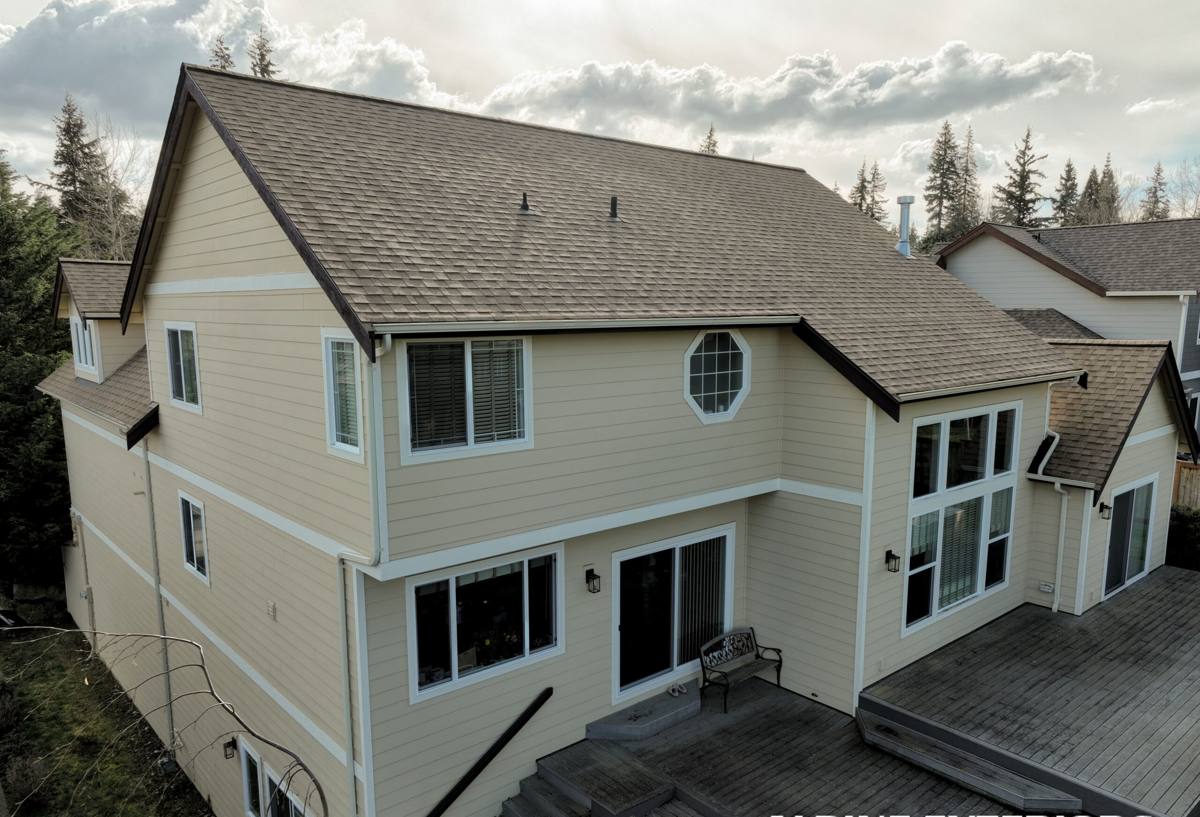
Signs Your St. Pete Beach Roof Needs Replacement, Not Just Repair
Not every roofing problem calls for a full replacement, but on a coastal roof, deferred issues escalate faster than they would inland. These are the signs worth taking seriously:
- Granule loss heavy enough to see color change or bald patches on shingles
- Curling, cupping, or cracked shingles, especially on south- and west-facing slopes
- Rusted or corroded flashing, fasteners, or vent boots
- Soft spots, sagging, or visible deflection when walking the roof
- Water stains or discoloration on interior ceilings, especially after wind-driven rain
- A roof approaching or past 15-20 years old, even if it "looks okay" from the street
- Missing or lifted shingles after any named storm or high-wind event
- Daylight visible through the roof deck from inside the attic
If you're seeing two or more of these, it's worth getting an honest inspection before the next storm season rather than after storm damage forces the decision.
What a Correct Roof Replacement Actually Involves
Tear-Off and Deck Inspection
A proper replacement starts with a full tear-off down to the deck — not a layover on top of the old roof. That's the only way to actually see the condition of the plywood or OSB decking underneath. Salt air and past leaks can rot decking from below without any visible sign on top, and any soft or damaged sections need to be replaced before new roofing goes down. Skipping this step is one of the most common corners cut in this trade, and it's the one that causes problems years down the road.
Underlayment as a Second Line of Defense
The underlayment is what keeps a home dry if wind ever drives water past the shingles or metal panels — which, in a coastal wind event, it eventually will. A synthetic or self-adhering underlayment rated for high wind and moisture exposure matters more here than it would on an inland roof that never sees wind-driven rain at this intensity.
Fastening and Wind Resistance
Nail pattern, fastener type, and adhesive sealant strips all affect how well a roof resists uplift. For a home this close to the Gulf, that means following current Florida Building Code wind requirements for the area — not the minimum spec, and not whatever pattern is fastest to install. Corrosion-resistant fasteners are worth the small extra cost given how much salt exposure this roof will see over its life.
Ventilation and Moisture Control
Proper attic ventilation keeps heat and moisture from building up under the roof deck, which extends the life of both the decking and the roofing material above it. In a climate this hot and humid, poor ventilation shows up as premature shingle aging and, in some cases, moisture damage that has nothing to do with a leak — it's condensation from a hot, poorly vented attic.
Comparing Roofing Materials for a Coastal Pinellas County Home
There's no single "best" roofing material for every St. Pete Beach home — the right choice depends on budget, how long you plan to stay in the home, and how much long-term maintenance you're willing to take on. Here's how the common options compare under this specific climate load:
| Material | Typical Lifespan | Wind Performance | Salt-Air Maintenance | Relative Cost |
|---|---|---|---|---|
| Architectural asphalt shingle | 15-25 years | Good, with proper high-wind fastening | Moderate — flashing and vents need periodic inspection | Lowest |
| Standing-seam metal | 30-50 years | Excellent when properly fastened | Low, if a coastal-grade coating and corrosion-resistant fasteners are used | Mid to high |
| Concrete or clay tile | 40-50+ years | Very good, but individual tiles can dislodge in extreme gusts | Low on the tile itself; underlayment beneath it still needs monitoring | Highest |
Shingles remain the most common choice on St. Pete Beach because they balance cost and performance well when installed to the correct wind spec. Metal roofing is a strong option for homeowners planning to stay long-term, since it holds up to salt air and wind better than most materials over decades. Tile performs well but adds roof weight and cost that not every home or budget needs.
Permits, Codes, and Inspections
Roof replacement in St. Pete Beach and the surrounding Pinellas County jurisdictions requires a building permit and inspection — this isn't optional paperwork, it's what confirms the work actually meets current wind-load requirements. A legitimate roofing contractor pulls the permit, schedules the required inspections, and can show you the final approval when the job is done. If a contractor suggests skipping the permit to save time or money, that's a warning sign, not a convenience — it usually means the work won't hold up to scrutiny if you ever file an insurance claim or sell the home.
Our Roof Replacement Process
- On-site inspection and honest assessment of whether repair or full replacement is the right call
- Written estimate outlining material options, scope of work, and timeline
- Permit filed with the local building department before any work begins
- Full tear-off and deck inspection, with any damaged decking replaced
- Underlayment and flashing installed to current wind-load standards
- New roofing material installed with fastening patterns matched to coastal wind requirements
- Site cleanup, including magnetic sweep for stray nails and debris removal
- Final inspection and walkthrough so you know exactly what was done and why
Why It Matters to Hire a Crew That Already Works St. Pete Beach
A roofing crew that regularly works this specific stretch of the Gulf coast already knows things a crew unfamiliar with barrier-island conditions has to learn on your roof. They know which fastener grades actually hold up to this level of salt exposure, they're used to the access and staging challenges of narrow coastal lots, and they understand the wind-load expectations local inspectors are checking for. That local familiarity translates into fewer surprises, fewer callbacks, and a roof that's built for the conditions it will actually face — not a generic install that happens to be located near the water.
Roof Replacement and Your Homeowners Insurance
In Florida, roof age and roof condition directly affect homeowners insurance — both what it costs and, in some cases, whether a policy renews at all. A new roof installed to current wind-mitigation standards can qualify for a wind mitigation inspection, which documents features like roof shape, deck attachment, and roof-to-wall connections that insurers use to calculate premium discounts. It's worth asking your contractor for the documentation you'll need to give your insurance agent once the job is finished, since that paperwork is what actually gets you credit for the upgrade.
If your roof is showing its age or you're planning ahead of the next storm season, we're happy to take a look and give you a straight answer — no pressure, no upsell. Use the form below to request a free estimate for your St. Pete Beach home.