 St. Petersburg Window
 A roof in Bartlett Park works harder than a roof almost anywhere inland. Between the Gulf's salt air, the punishing summer UV index, wind-driven rain off passing storms, and the real possibility of hurricane-force gusts, a new roof here isn't just a cosmetic upgrade — it's the single most important piece of weatherproofing your home has. When it's time to replace an aging or storm-damaged roof in this part of St. Petersburg, the details of the install matter more than the brand name on the shingle bag.
This page covers what a correct new roof installation looks like for a Bartlett Park home, what our process involves from tear-off to final inspection, and why working with a crew that already knows this neighborhood — its housing stock, its permitting process, and its climate exposure — makes a real difference in how long that roof lasts.
What Bartlett Park's Climate Actually Does to a Roof
Pinellas County sits in a subtropical climate zone with year-round UV exposure well above the national average, a hurricane season that runs June through November, and near-constant proximity to salt-laden air coming off Tampa Bay and the Gulf. Each of these stresses a roof in a different way:
- UV degradation: Intense sun breaks down asphalt shingle oils and granule adhesion faster than in northern climates, which is why a shingle rated for 25-30 years elsewhere often shows real wear here well before that mark.
- Wind-driven rain: Storms in this area rarely fall straight down. Rain gets pushed sideways under wind pressure, which means flashing, underlayment laps, and fastening patterns all have to account for water intrusion from angles a calm-weather install might miss.
- Hurricane-force wind: Even a roof that never takes a direct hurricane hit will see repeated tropical-storm-strength gusts over its lifespan. Uplift at the edges, ridge, and corners is where most wind failures start.
- Salt air corrosion: Metal components — fasteners, flashing, vent stacks, drip edge — corrode faster this close to the coast. Cheap or mismatched metal is often the first thing to fail on an otherwise sound roof.
None of this is unique to Bartlett Park specifically, but it's the reality for every home in this stretch of St. Petersburg, and it should shape every decision made during a new roof installation — not just the shingle color.
Signs a Bartlett Park Home Needs a New Roof, Not a Repair
Not every roof problem calls for full replacement. But there's a point where patching stops making financial sense and a new roof becomes the honest recommendation. Common signs we look for:
- Shingles that are curling, cupping, or losing granules in large patches rather than isolated spots
- Multiple past repairs in different areas of the roof, suggesting the whole system is aging out together
- Visible sagging in the roofline, which can point to decking or structural issues underneath
- Daylight visible through the attic decking, or recurring leaks after every heavy rain
- A roof older than 18-20 years that hasn't had a full tear-off, especially if it's never been inspected after a hurricane season
- Insurance non-renewal notices or steep premium increases tied to roof age or condition
If your roof is showing two or more of these signs, a licensed inspection is worth doing before you spend more money chasing individual leaks.
What a Correct New Roof Installation Actually Involves
A new roof is more than shingles nailed over the old ones. Done right, it's a layered system where every component supports the next. Here's what should happen on any legitimate new roof job in this climate:
Full Tear-Off
We remove the old roofing material down to the decking. This isn't optional in a high-wind, high-UV region — layering new shingles over old hides the condition of the deck underneath and voids most manufacturer wind warranties.
Deck Inspection and Repair
Once the old material is off, the decking gets inspected board by board. Any wood that's rotted, delaminated, or soft from long-term moisture exposure gets replaced before anything new goes down. Skipping this step is one of the most common shortcuts in the industry, and it's the reason some "new" roofs fail from the inside out.
Underlayment
A synthetic or self-adhering underlayment goes down next, with special attention to laps and seams given how often rain here comes in sideways. In areas most exposed to wind-driven rain — eaves, valleys, and roof-to-wall transitions — a self-adhering ice-and-water-shield-style membrane adds an extra layer of protection even though this region never sees ice.
Flashing
New flashing at every penetration — chimneys, vent stacks, skylights, and wall transitions — is non-negotiable. Reusing old flashing to save time is a shortcut that shows up as a leak within a year or two, especially once salt air has already started corroding the old metal.
Fastening for Wind Resistance
Nail pattern and fastener count matter as much as the shingle itself. Florida Building Code sets minimum requirements for wind resistance, and in a coastal county like Pinellas, we generally build to the higher end of that range rather than the bare minimum, particularly at ridges, eaves, and rakes where uplift starts.
Ventilation
Proper attic ventilation keeps shingles cooler in summer heat and reduces moisture buildup that can rot decking from underneath. A roof that looks great from the street but was installed without adequate intake and exhaust ventilation will age faster than it should.
Material Options for a St. Petersburg Roof
There's no single "best" roofing material — the right choice depends on budget, how long you plan to stay in the home, and how much maintenance you want to take on. Here's an honest comparison of the main options homeowners in this area consider:
| Material | Typical Lifespan Here | Wind Performance | Maintenance |
|---|---|---|---|
| 3-Tab Asphalt Shingle | 12-18 years | Lower wind rating; budget option | Low, but shorter service life in intense UV |
| Architectural (Dimensional) Shingle | 18-25 years | Higher wind rating than 3-tab; most common upgrade | Low to moderate |
| Standing Seam Metal | 40-plus years | Excellent, when properly fastened | Low; periodic fastener and seam checks |
| Tile (Concrete or Clay) | 30-50 years | Strong when installed and fastened correctly | Moderate; underlayment often needs earlier replacement |
We don't push one product over another as a rule — we lay out the honest trade-offs for your budget, roof pitch, and how long you plan to own the home, then let you decide. What we won't do is install a system in a way that ignores this climate's demands just because it's faster or cheaper.
Our Installation Process
Every new roof job follows the same general sequence, adjusted for the specifics of your home:
- On-site inspection and estimate — we assess the existing roof, attic ventilation, and any visible deck or structural concerns before quoting anything.
- Material selection — we walk through the options above based on your budget and goals, with a clear, itemized estimate.
- Permitting — we pull the required permit through the City of St. Petersburg before work begins. This isn't optional, and any contractor willing to skip it is telling you something about how they'll handle the rest of the job.
- Tear-off and deck repair — old material comes off, decking gets inspected and repaired as needed.
- Underlayment, flashing, and installation — the new system goes down in the sequence described above, built for wind and water resistance, not just appearance.
- Cleanup — magnetic sweep for nails and full debris removal from the property.
- Final inspection — the completed roof is inspected by the local building department before the permit is closed out.
Permitting and Wind Mitigation in Pinellas County
Every new roof installation in St. Petersburg requires a permit, and the work has to meet current Florida Building Code wind resistance standards for our region. Once the roof is complete and inspected, it's worth getting a wind mitigation inspection done — this documents the roof's compliance features (like fastener type and roof-to-wall connections) and can lower your homeowner's insurance premium, sometimes significantly. A crew that pulls permits correctly and builds to code the first time makes this a straightforward step rather than a hassle after the fact.
Why a Bartlett Park-Familiar Crew Matters
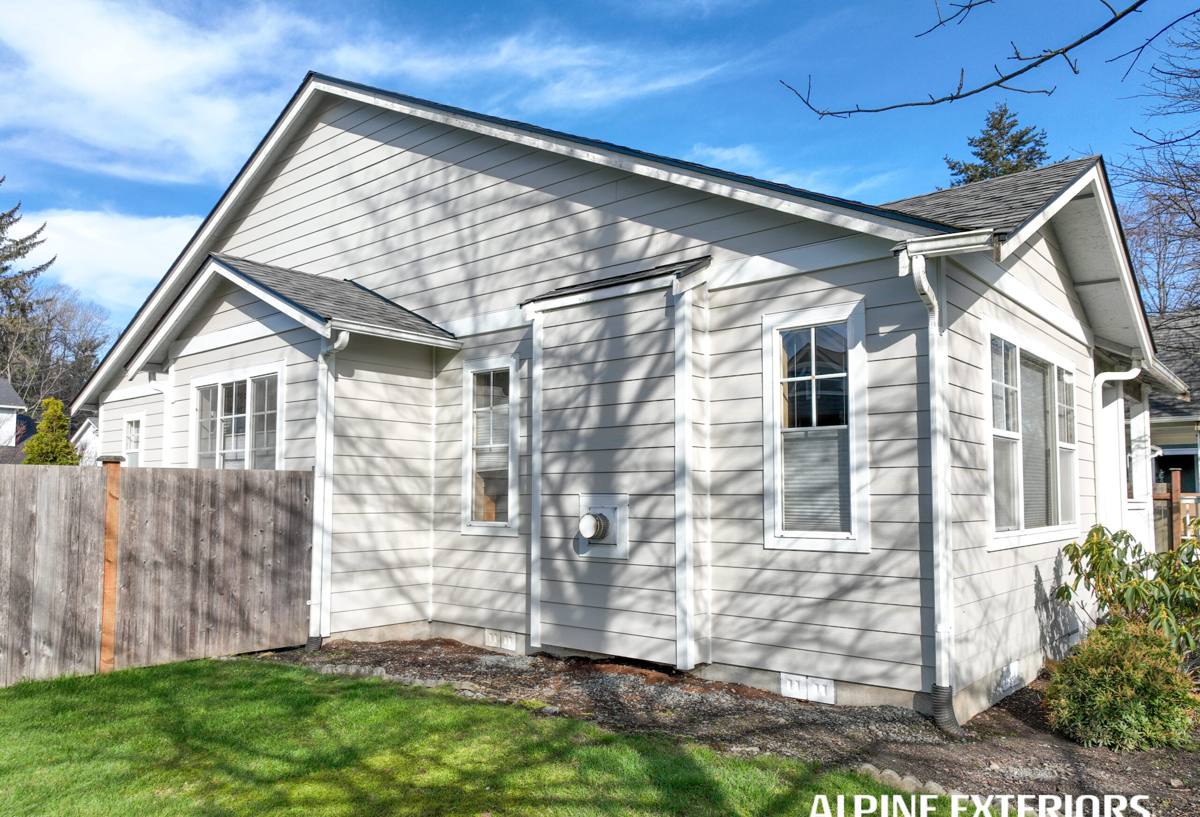
Bartlett Park sits within an older section of St. Petersburg, and homes in this part of the city tend to be smaller-footprint, single-story bungalow and mid-century houses rather than newer, larger construction. That matters for a roofing job in a few practical ways: roof framing and decking on older homes sometimes needs closer inspection once the old material is off, access and staging around narrower lots takes more planning, and matching a new roofline cleanly to an older home's original design takes some judgment calls a crew only develops by working on similar houses repeatedly.
A crew that already works in and around this neighborhood also knows the City of St. Petersburg permitting process cold, understands typical Pinellas County wind exposure ratings for this part of the coast, and isn't guessing at how a roof here needs to be built to hold up through hurricane season. That local familiarity translates into fewer surprises during the job and a roof that's actually built for the conditions it will face, not a generic install dropped into a coastal climate.
Questions to Ask Before Hiring a Roofing Contractor
Whoever you hire for a new roof installation in this area, it's worth confirming the basics before signing anything:
- Are they licensed to perform roofing work in Florida, and can they provide the license number?
- Do they carry general liability and workers' compensation insurance?
- Will they pull the permit themselves, in their name, before work starts?
- Is the estimate itemized — materials, labor, deck repair allowance, disposal — rather than a single lump sum?
- Do they perform a full tear-off and deck inspection, or install over existing layers?
- What's the manufacturer warranty on materials, and what's their own workmanship warranty on labor?
If a contractor is vague or evasive on any of these, that's worth treating as a warning sign rather than a minor detail.
If your Bartlett Park home's roof is showing its age or storm wear, we're happy to take a look and walk you through your options honestly — no pressure, no pushy sales pitch. Use the form below to request a free estimate, and we'll schedule a time to inspect your roof and talk through what actually makes sense for your home and budget.