 St. Petersburg Window
 Siding Replacement in Gulfport: What This Neighborhood's Homes Are Up Against
Gulfport sits close enough to Boca Ciega Bay that "coastal exposure" isn't a marketing phrase here — it's a daily condition. Homes in this part of St. Petersburg deal with salt-laden air moving in off the water, long stretches of intense Florida UV, wind-driven rain that gets forced sideways into wall assemblies during storms, and the occasional direct hit of hurricane-force wind gusts. Siding in Gulfport isn't just cosmetic. It's the first line of defense between all of that and the wood framing, sheathing, and insulation behind it.
We work in St. Petersburg and Pinellas County regularly, and Gulfport's older bungalow-style housing stock and mixed-era construction mean we see a wide range of siding conditions on any given street — some homes still on original material well past its service life, others patched piecemeal after past storm damage. A siding replacement here isn't a generic swap-and-go job. It's a chance to correct whatever the original installation got wrong and put something on the wall that's actually built for this climate.
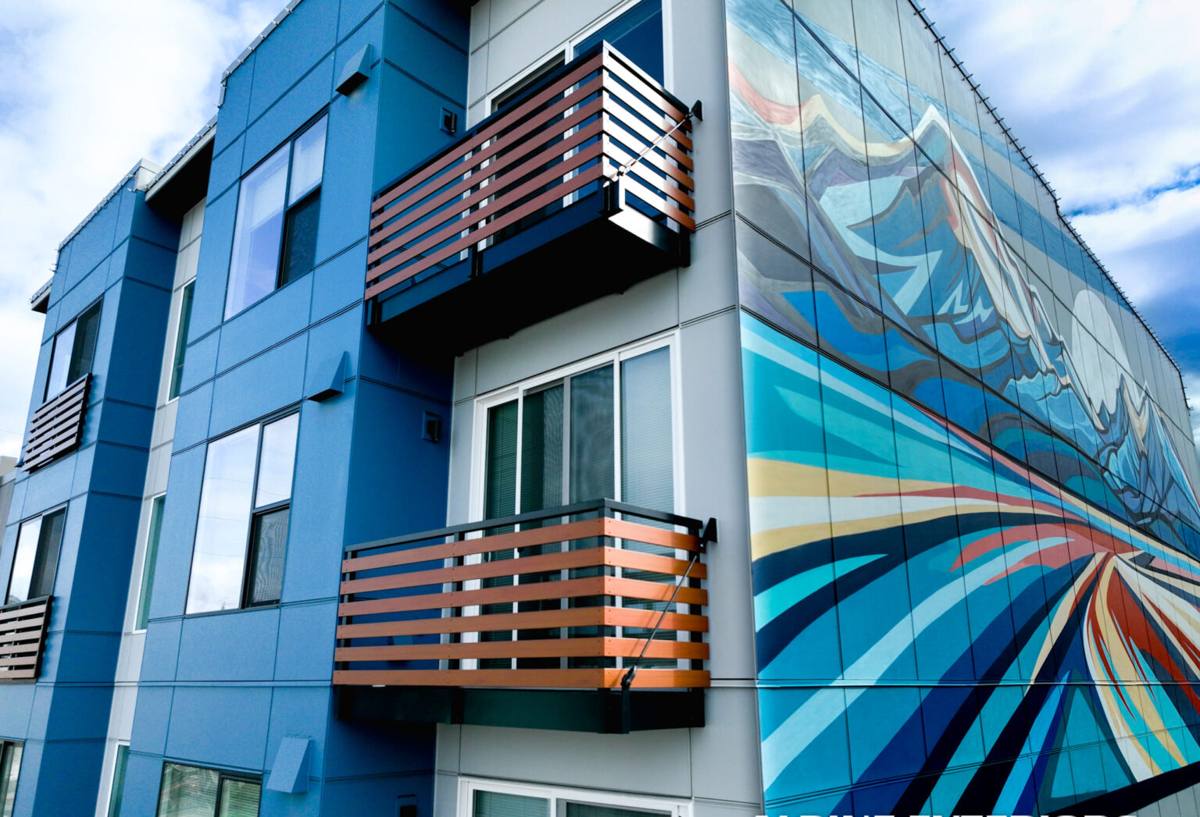
Why Salt Air and UV Wear Siding Out Faster Here
Coastal-adjacent neighborhoods like Gulfport age exterior materials faster than inland parts of the same county. A few reasons:
- Salt air is corrosive and hygroscopic. It pulls moisture into surfaces and accelerates the breakdown of paint films, caulking, and any fasteners or trim that aren't rated for coastal exposure.
- UV load in this region is relentless. Florida sun degrades pigments and resins in siding finishes faster than in most of the country, which is why factory-cured, UV-stable finishes matter more here than in milder climates.
- Wind-driven rain doesn't fall straight down. During storms, rain gets pushed horizontally into wall assemblies. Siding, flashing, and house wrap all have to work together to keep that water from reaching the sheathing.
- Humidity keeps materials wet longer. Anything prone to swelling, delaminating, or holding moisture stays compromised longer here than in a dry climate, because the air rarely gives it a chance to fully dry out.
None of this means siding is doomed in Gulfport — it means the material choice and the installation details matter more here than they would somewhere with a milder, drier climate.
What a Correct Siding Replacement Involves
It Starts Underneath the Siding, Not With It
The siding itself gets all the attention, but the water-resistive barrier, flashing at windows and doors, and proper drainage plane behind the siding are what actually keep a wall system dry over decades. A siding replacement is the one time all of that is fully exposed and accessible — which is exactly why doing it right the first time matters. Skipping or rushing this step is the single most common reason a "new" siding job fails early.
What We Check and Correct During Tear-Off
- Condition of the sheathing once old siding is removed — soft spots or rot get addressed before anything new goes up
- Whether the existing house wrap or building paper is intact, properly lapped, and still doing its job
- Flashing details around every window, door, and penetration — this is where most water intrusion actually starts
- Proper fastener spacing and type, matched to the new material and to coastal exposure conditions
- Correct clearance at grade, roof lines, and any transitions where two materials meet
Why We Only Install James Hardie Fiber Cement
We standardized on James Hardie siding for every job we do, including here in Gulfport, and we don't install vinyl, LP SmartSide, Cemplank, Allura, or primed wood siding. That's a deliberate professional standard, not a sales pitch, and it's worth explaining honestly:
- Non-combustible material. Fiber cement doesn't feed a fire the way some wood-based and polymer sidings can, which matters to us as a standard we're willing to put our name behind.
- Built for heat and humidity. Hardie's HZ5 product line is engineered specifically for climate zones like ours, where humidity and temperature swings stress a wall system year-round.
- Factory-applied ColorPlus finish. The color is baked on in a controlled factory process, not brushed on in the field — which means far better UV and fade resistance than field-applied paint, and it holds up to the sun exposure Gulfport gets far longer.
- Doesn't rot, swell, or attract pests. Cement-based composition means moisture cycling and humidity don't compromise it the way they can with wood-based products.
- Strong transferable warranty. Coverage that's meaningful if the home changes hands, which matters in a neighborhood with a healthy mix of long-term owners and turnover.
Other products on the market have real strengths — vinyl is inexpensive and low-maintenance in mild climates, engineered wood has a warm appearance some homeowners prefer. But the trade-offs those products carry — moisture sensitivity, installation tolerances, appearance longevity under intense sun — aren't trade-offs we're willing to install on a home a few blocks from the bay. Hardie is what we've seen hold up correctly when it's installed to spec, and that's what we put on Gulfport homes.
Comparing Siding Options for a Coastal-Adjacent Neighborhood
| Factor | James Hardie Fiber Cement | Vinyl Siding | Engineered Wood (LP-type) |
|---|---|---|---|
| Salt air / coastal exposure | Engineered for it (HZ5 line) | Can warp or discolor over time | Sensitive to moisture intrusion |
| UV / color retention | Factory ColorPlus finish, fade-resistant | Fades and chalks over years of sun | Depends entirely on field-applied paint quality |
| Wind-driven rain resistance | Strong when installed with correct flashing | Adequate but can loosen in high wind | Vulnerable if moisture reaches core material |
| Fire performance | Non-combustible | Combustible (petroleum-based) | Combustible (wood-based) |
| Long-term maintenance | Repaint eventually, low routine upkeep | Low upkeep but limited repair options | Requires vigilant paint and moisture upkeep |
How We Approach a Gulfport Siding Job
- On-site assessment. We walk the home, check the current siding and substrate condition, and look at how the house is oriented relative to sun and prevailing weather.
- Honest scope and estimate. You get a clear picture of what's needed — full tear-off, sheathing repair if we find it, and a straightforward cost breakdown, no vague allowances.
- Tear-off and substrate inspection. Old siding comes off, and we inspect and repair whatever's underneath before anything new goes up.
- Water management first. House wrap and flashing get installed or corrected before a single piece of Hardie siding goes on the wall.
- Installation to manufacturer spec. Correct fastener type, spacing, clearances, and joint treatment — the details that determine whether the job lasts 10 years or 40.
- Final walkthrough. We go over the finished job with you before calling it done.
Signs a Gulfport Home May Need Siding Replacement Now
- Visible warping, buckling, or gaps between siding panels
- Soft or spongy spots when you press on the siding near the base of the wall
- Paint that's peeling or bubbling in patterns, not just fading evenly
- Rising utility bills that could point to compromised insulation behind failing siding
- Visible rot, mold, or staining at seams, corners, or beneath windows
- Siding that's more than 20-25 years old, especially if it's never been fully replaced
Any one of these on its own might be minor. Several at once, especially on a home that's taken a few storm seasons of direct exposure, usually means it's time for a real assessment rather than another round of patching.
Why a Crew That Already Works Gulfport Matters
Coastal-adjacent Pinellas County neighborhoods aren't interchangeable with inland construction. A crew that regularly works St. Petersburg's older housing stock knows what to expect once the old siding comes off — where sheathing tends to have taken on moisture over the years, how prior additions or repairs were typically flashed, and what wind exposure a given lot orientation actually sees during a storm. That local pattern recognition shortens surprises during tear-off and means the estimate you get up front is more likely to hold.
It also means accountability. A crew that works this neighborhood regularly has a reputation to protect on the same streets, year after year — that's a different incentive structure than a crew passing through from out of the area for a single job.
What to Expect From Cost
Siding replacement cost depends on the size of the home, how much of the substrate needs repair once the old siding is off, the complexity of the roofline and window/door count, and the specific Hardie product and profile chosen. Every home is different enough that we don't publish blanket per-square-foot numbers — what we do instead is give you a firm, itemized estimate after an actual on-site look, so you know exactly what you're paying for and why.
If your Gulfport home's siding is showing its age or you just want an honest read on its condition, we'll come take a look and give you a straightforward, no-pressure estimate — fill out the form below to get started.