 St. Petersburg Window
 Siding Built for Pinellas Park's Climate, Not Just Its Curb Appeal
Pinellas Park sits inland enough to avoid direct beachfront exposure, but it still takes the full brunt of what Pinellas County weather dishes out: long stretches of triple-digit heat index days, sudden summer downpours that can drop an inch of rain in twenty minutes, and tropical systems that push wind-driven rain sideways into exterior walls. Add in the salt-laden air that drifts inland off Tampa Bay and the Gulf, and you have a climate that is genuinely hard on siding — regardless of what the product label promises.
Homeowners in this neighborhood often call us after noticing the same handful of problems: siding that's bowed or buckled after a wet season, paint that's chalking or peeling years ahead of schedule, soft spots near the bottom courses where moisture collected, or seams that have opened up enough to let water behind the cladding. These aren't cosmetic nuisances. Once water gets behind siding in a humid climate like this one, it doesn't dry out quickly, and that's when real structural problems start.
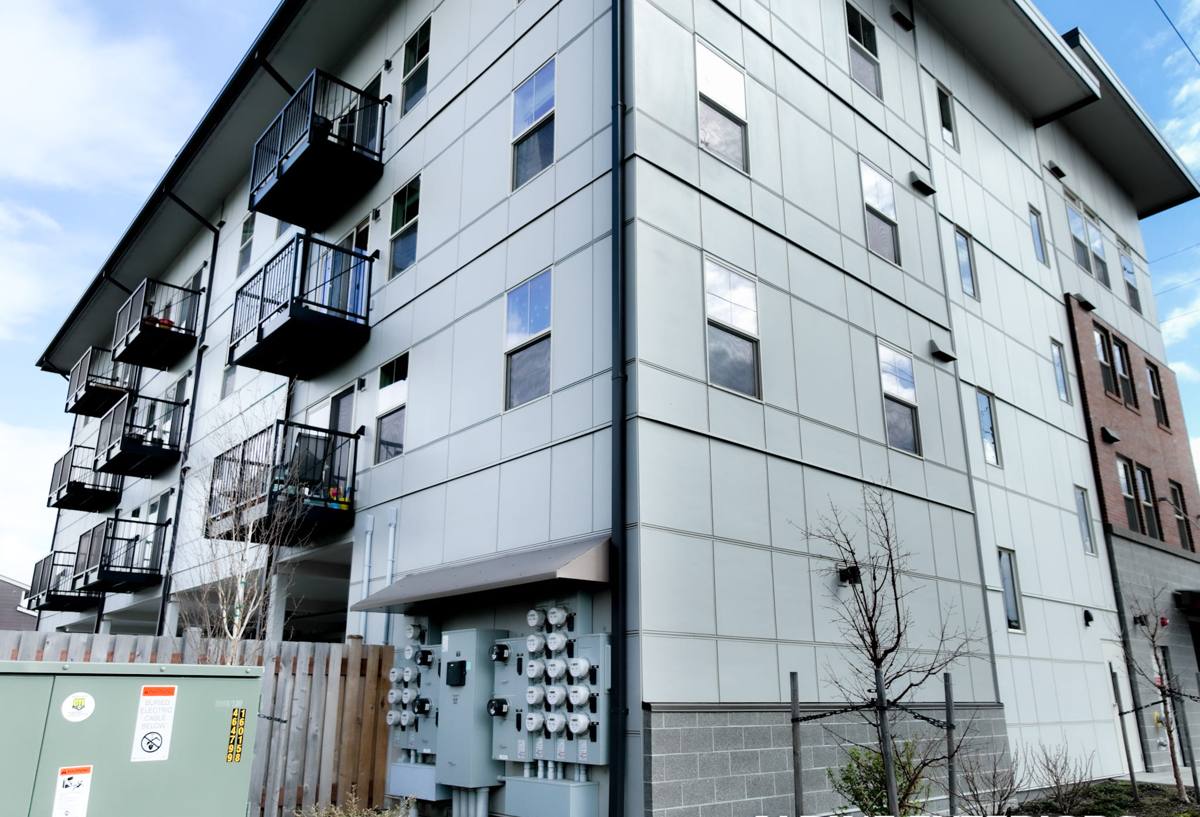
What a Pinellas Park Home Actually Needs From Its Siding
A correct siding installation here has to do more than look good on install day. It needs to perform through years of heat cycling, humidity, driving rain, and occasional storm-force wind — without becoming a maintenance project every other summer. That means:
- Material that won't absorb and hold moisture against a swelling humid climate
- A finish that resists UV fading under intense, near-year-round Florida sun
- Fastening and flashing details engineered for wind-driven rain, not just vertical rainfall
- A product rated to hold up in wind zones that see regular tropical storm activity and occasional hurricane-force gusts
- Resistance to pests and rot that thrive in warm, humid coastal-adjacent conditions
This is exactly why we install James Hardie fiber cement siding exclusively, and why we don't offer vinyl, LP SmartSide, Cemplank, Allura, or wood siding as alternatives. Fiber cement is non-combustible, dimensionally stable in heat and humidity, and manufactured with regional climate performance in mind. James Hardie in particular engineers its HZ5 product line specifically for high-humidity, storm-prone climates like ours — it's not a generic product sold the same way in Minnesota and Florida.
What Correct Installation Involves
Removal and Substrate Inspection
Every proper siding job starts with taking the old siding off, not covering over it. That's the only way to actually see what's happening underneath — soft sheathing, hidden water staining, or rot around windows and corners that's been hiding behind the old cladding. In a humid climate like Pinellas County's, skipping this step is how small problems turn into rebuild-the-wall problems a few years later.
Weather Barrier and Flashing
Behind every Hardie installation we do, there's a properly lapped weather-resistant barrier and correctly integrated flashing at every window, door, and penetration. Wind-driven rain during a tropical storm doesn't fall straight down — it gets pushed sideways and upward under eaves and around openings. If the flashing details aren't right, that's exactly where water finds its way in, regardless of how good the siding itself is.
Fastening to Manufacturer and Climate Spec
James Hardie publishes specific fastening patterns, nail types, and clearance requirements for coastal and high-wind regions, and those specs matter for both performance and warranty coverage. Corner boards, seams, and butt joints all need to be installed with the right gaps and sealants for expansion in Florida's heat — installed too tight, siding can buckle; installed with the wrong sealant, seams open up and let water behind the wall.
Trim, Soffit, and Detail Work
The pieces around the siding — trim boards, soffit, fascia — take as much weather abuse as the field siding itself, sometimes more, since they sit at vulnerable transition points. We treat these as part of the same system rather than an afterthought, which is where a lot of shortcuts tend to happen on lower-bid jobs.
Why James Hardie for This Neighborhood Specifically
We get asked fairly often why we only install one brand of siding. The honest answer is that we've drawn a line based on what actually holds up in this climate over the long haul, not just what looks good at the time of installation.
| Factor | Why It Matters in Pinellas Park |
|---|---|
| Non-combustible material | Fiber cement won't feed a fire the way some alternative claddings can — a meaningful factor for insurance and safety alike |
| Moisture stability | Engineered to resist swelling and softening in high year-round humidity, unlike wood-based products |
| ColorPlus factory finish | Baked-on finish holds color under intense, near-constant Florida UV better than field-applied paint |
| HZ5 climate engineering | Formulated specifically for humid, storm-exposed regions rather than a one-size-fits-all national product |
| Transferable warranty | Backed by a manufacturer warranty that can transfer to a new owner, which matters for resale in this market |
We're not going to tell you other siding products are junk — some perform reasonably well when installed correctly and maintained faithfully. But we've made a professional decision to stop installing products that ask a Pinellas Park homeowner to fight the climate every few years with recaulking, repainting, or panel repairs. Fiber cement, installed correctly, is the product we're willing to stand behind here.
How Our Process Works
We keep the process straightforward because homeowners deserve to know what's happening to their house and why.
- On-site evaluation — we walk the exterior, check for existing moisture damage, and assess what the current siding and substrate actually look like, not just what they look like from the street.
- Written estimate — a clear scope of what's being removed, what's being repaired underneath if needed, and what's going up in its place, with product and color selection from the James Hardie lineup.
- Substrate prep — any soft sheathing or hidden rot gets addressed before new siding ever goes up. This isn't an upsell; it's the difference between a job that lasts and one that doesn't.
- Installation to manufacturer and climate spec — proper flashing, weather barrier, fastening pattern, and expansion gaps for our humidity and heat.
- Final walkthrough — we go over the finished work with you before considering the job done.
Why Local Experience in Pinellas Park Matters
Siding installation isn't identical from region to region, and it isn't even identical block to block within Pinellas County. A crew that primarily works drier, milder climates may not default to the flashing details, fastening patterns, and moisture management that a Gulf Coast humidity-and-storm climate actually demands. A crew that already works in and around St. Petersburg and Pinellas Park knows what this specific combination of heat, humidity, salt air, and seasonal storm exposure does to a home over time — and builds the job around that reality from day one, rather than treating it as an afterthought.
There's also a practical service benefit: a local crew can respond faster if a storm exposes an issue, and stands behind its work in the same community it lives and works in.
Signs Your Current Siding Is Already Behind
If you're weighing whether it's time to replace rather than patch, a few warning signs are worth taking seriously before the next storm season:
- Visible bowing, warping, or buckling anywhere on the wall plane
- Soft or spongy spots when you press on the siding, especially near the bottom courses
- Paint that's peeling, bubbling, or chalking well ahead of its expected repaint cycle
- Gaps opening up at seams, corners, or trim joints
- Visible mold, mildew staining, or persistent moisture streaking on the surface
- Increasing energy bills that may point to a compromised building envelope
What Fair Pricing Depends On
We won't quote a number without seeing the house, but a few honest factors drive cost on any Pinellas Park siding project:
| Factor | Why It Affects Cost |
|---|---|
| Substrate condition | Hidden rot or water damage found during tear-off adds repair scope before new siding goes up |
| Home size and wall complexity | More corners, dormers, and trim detail means more labor and material |
| Siding profile and color selection | Different HardiePlank profiles and ColorPlus finishes carry different material costs |
| Trim and accessory scope | Full trim, soffit, and fascia replacement adds to the project beyond field siding alone |
| Access and site conditions | Tight lot lines, landscaping, or multi-story sections can affect labor time |
We'd rather give you an honest number after seeing the actual condition of your home than a low estimate that grows once the old siding comes off.
If your Pinellas Park home is due for new siding, or you're just not sure whether repair or replacement makes more sense right now, we're happy to take a look and give you a straightforward, no-pressure estimate — just fill out the form below to get started.