 St. Petersburg Window
 Deck Repair Built for Seminole's Climate
A deck in Seminole works harder than a deck almost anywhere else in the country. It sits outside year-round in Pinellas County's subtropical climate, which means it absorbs intense UV exposure nearly every day of the year, gets soaked by sudden wind-driven rain, and picks up a steady dose of salt-laden air carried in off the Gulf and Tampa Bay. None of those things ruin a deck overnight. They wear it down slowly, one season at a time, until a homeowner notices a soft board, a wobbly rail, or fasteners bleeding rust — and by then the damage is usually more than skin deep.
We repair decks in Seminole because we understand what that slow wear actually looks like up close, not just in theory. This page covers what typically goes wrong with decks in this area, what a repair actually needs to include to hold up, and how we approach the work so it doesn't have to be redone in three years.
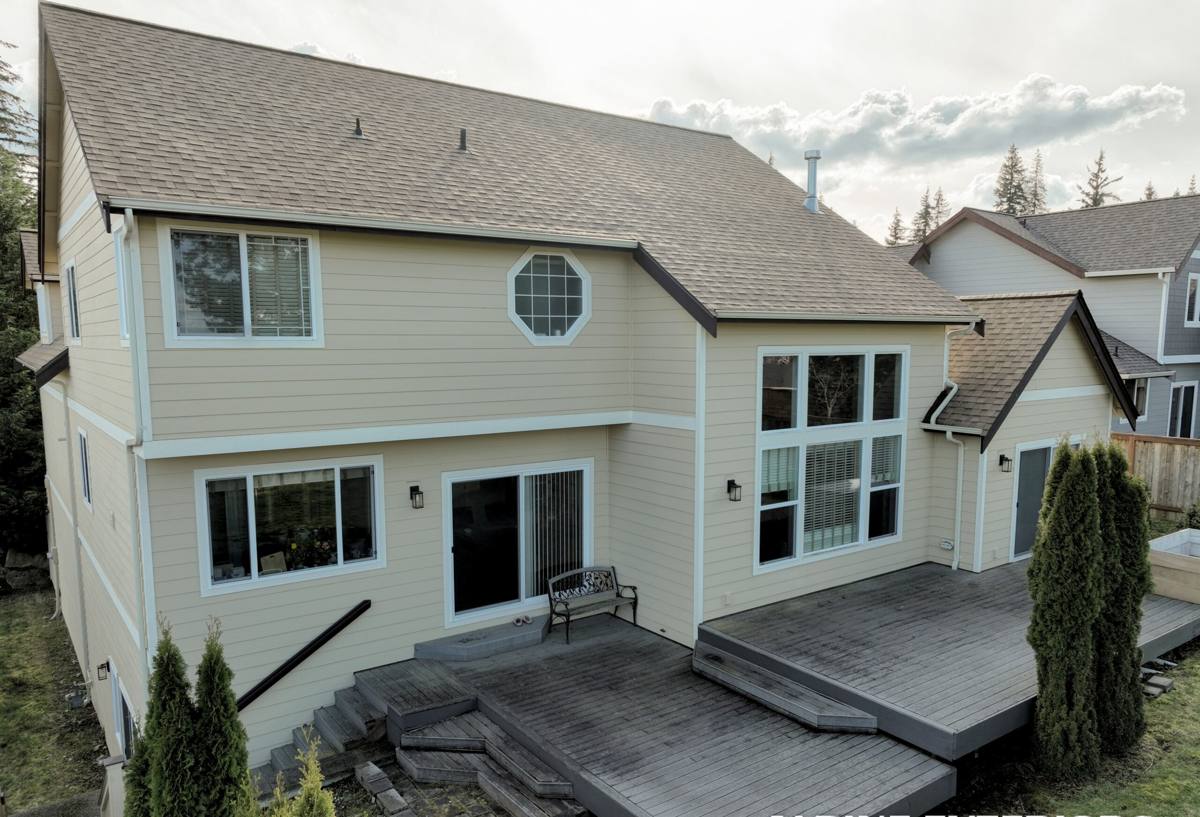
What Seminole's Weather Actually Does to a Deck
UV and Heat
Florida sun is relentless. On wood decking, constant UV breaks down the lignin that holds wood fibers together, which is why untreated or unsealed boards gray, roughen, and start to splinter. On composite decking, prolonged heat and UV exposure can cause fading and, on lower-quality or older-generation products, surface chalking. Fasteners and hardware exposed to constant heat cycling also loosen faster than they would in a milder climate.
Wind-Driven Rain
Pinellas County doesn't get gentle, straight-down rain very often. Storms here tend to come in sideways, which drives water into places a deck was never designed to shed water from — the undersides of ledger boards, the tops of posts where they meet beams, and any spot where two pieces of wood or composite meet without a proper gap or flashing. That trapped moisture is where rot and fastener corrosion actually start, usually invisible from the top of the deck until the damage is advanced.
Salt Air
Even homes that aren't waterfront in Seminole get salt air carried inland. Salt accelerates corrosion on any exposed metal — nails, screws, joist hangers, bolts — well before it visibly affects the wood or composite itself. A fastener that's corroding from the inside can fail structurally while the board around it still looks fine, which is one reason we always inspect connections and framing, not just the decking surface.
Humidity and Ground Moisture
High ambient humidity combined with proximity to grade means the underside of a deck — posts, beams, and the ledger connection to the house — often stays damp longer than the top surface ever does. This is a common blind spot in DIY inspections, since it's the part of the deck nobody looks at until there's a visible problem.
Common Deck Repair Needs We See Locally
- Soft, spongy, or spring board deck surfaces, usually from moisture trapped under coatings or between boards
- Rusted or corroded fasteners and joist hangers, sometimes with visible rust streaks bleeding through the surface
- Loose, wobbly, or leaning railings and posts — a safety issue, not just a cosmetic one
- Ledger board separation or softness where the deck attaches to the house, often tied to a flashing gap
- Cupped, warped, or split boards from repeated wet-dry cycling
- Stair stringer wear or looseness from foot traffic combined with moisture exposure
- Faded, chalking, or discolored composite decking on older installations
- Insect activity in untreated or under-treated wood framing members
What a Correct Deck Repair Actually Involves
The difference between a repair that lasts and one that doesn't usually comes down to whether the crew actually diagnosed the cause, rather than just replacing what's visibly damaged. A board can look fine on top and still be sitting on a rotted joist. We treat every repair call as a small inspection first.
Our Inspection Priorities
- Structural framing — joists, beams, posts, and footings — checked for rot, movement, and proper support
- Ledger board attachment and flashing where the deck meets the house
- Fastener and hardware condition, including hidden joist hangers and post bases
- Railing and guard post stability, since these carry real load in an emergency lean or fall situation
- Drainage — whether water is actually shedding off the deck or pooling and re-soaking the same spots
- Surface material condition — wood grain raising, composite fading, coating failure
Once we know the actual cause, the repair itself typically involves removing and replacing compromised boards or framing members with matched material, correcting any moisture trap (adding proper flashing, adjusting fastener spacing, or improving ventilation underneath), and re-securing hardware with fasteners rated for the decking material and coastal exposure. We don't sister a new board to rotted framing and call it done — if the structure underneath is compromised, that gets addressed first.
Repair vs. Replacement: How We Help You Decide
Not every deck problem calls for a full rebuild, and not every deck is worth patching. The honest answer depends on how much of the structure is affected versus how much is surface-level.
| Situation | Repair Usually Makes Sense | Replacement Usually Makes Sense |
|---|---|---|
| Damage location | Isolated boards, one section, or a single railing run | Multiple sections, framing, or ledger throughout |
| Age of deck | Under 10-12 years, otherwise well-built | Original construction quality was poor, or deck is past typical service life |
| Structural framing | Solid, with isolated fastener or hanger issues | Widespread rot or corrosion in joists, beams, or posts |
| Cost over time | Lower upfront cost, addresses the specific issue | Higher upfront cost, resets the clock on the whole deck |
| Code/permit exposure | Minimal, if scope stays limited | More likely if railings, stairs, or footings are involved |
We'll give you a straight answer on which category your deck falls into after we've actually looked at the framing, not just the surface. Most of the time, a well-built deck with a moisture problem in one area is a repair. A deck with framing failure in multiple spots is usually more honestly served by a rebuild.
Materials We Use for Deck Repairs
Whenever we're matching or replacing decking material, we account for how it will hold up to the same conditions that caused the original damage. Pressure-treated lumber remains a solid, cost-effective choice for framing and structural repairs, provided fasteners and hardware are rated for treated lumber's chemical makeup (this matters more near the coast, where the wrong fastener corrodes fast). For visible decking boards, composite materials generally resist UV fading and moisture absorption better than untreated wood over the long run, though composite installation is less forgiving of mistakes — expansion gaps, fastener spacing, and substructure ventilation all have to be right the first time, or problems show up early. We'll walk through the trade-offs for your specific deck rather than pushing one material by default.
Our Deck Repair Process
- Inspection and diagnosis — We check the full structure, not just the damaged spot, including framing, fasteners, and drainage.
- Honest scope and estimate — You get a clear explanation of what's actually wrong, what needs to be fixed, and what can wait.
- Removal of compromised material — Rotted, corroded, or failing components come out completely, not just cosmetically covered.
- Structural correction — Framing, hangers, and connections are repaired or replaced first, since decking sits on top of them.
- Material replacement and matching — New boards, railings, or hardware are installed with fasteners suited to Pinellas County's coastal, high-UV conditions.
- Final check — We confirm railings are solid, boards are secure, and drainage is actually working before we consider the job finished.
Safety Comes First on Any Deck Repair
Deck failures aren't just cosmetic — a loose railing or a rotted joist is a fall risk for anyone using the deck, especially with kids, pets, or older family members around. If your deck has any of the following, we treat it as a priority rather than something to schedule around:
- A railing or post that moves noticeably when pushed
- Any board that feels spongy, bouncy, or gives underfoot
- Visible gaps or separation where the deck meets the house
- Stairs that shift or creak more than they used to
- Visible rust streaking from fasteners or hardware
If you notice any of these, it's worth having it looked at before you keep using the deck as normal, not after.
Why Local Experience with Seminole Homes Matters
Decks in Seminole and the surrounding St. Petersburg area face a specific combination of conditions — year-round humidity, salt air drifting in from the coast, intense sun exposure, and the occasional hurricane-force wind event. A crew that mostly works inland or in a different climate can miss the specific failure patterns that show up here, like fastener corrosion that outpaces visible wood damage, or moisture trapped under a deck that never fully dries between storms. Working in this area regularly means we're not guessing at what Pinellas County's climate does to a deck over time — we're seeing it deck after deck, and building repairs that actually account for it.
Maintenance That Extends the Life of a Repair
A repair holds up longer when it's paired with basic seasonal upkeep. This isn't about selling extra services — it's genuinely the difference between a five-year repair and a fifteen-year one.
- Rinse off salt residue and debris periodically, especially after storms
- Keep gutters and downspouts clear so runoff isn't dumping directly onto or under the deck
- Re-seal or re-stain wood decking on a regular cycle rather than waiting until it visibly grays
- Check railings and stair connections for movement a couple of times a year
- Trim back vegetation that's keeping the underside of the deck shaded and damp longer than it should be
If your deck in Seminole has a soft board, a loose railing, rust stains, or you're just not sure whether it needs a repair or a rebuild, we're happy to take a look. We offer free, no-pressure estimates — use the form below to get a straightforward assessment of what your deck actually needs.