 St. Petersburg Window
 Storm Damage Roof Repair for Bartlett Park Homes
Bartlett Park sits inside one of the most storm-exposed metro areas in the country. Homes here deal with a combination most other markets never see all at once: hurricane-force wind gusts, wind-driven rain that finds every gap in a roof system, intense year-round UV that breaks down roofing materials faster than in cooler climates, and salt-laden air drifting in off the surrounding water that accelerates corrosion on fasteners, flashing, and metal roof panels. Any one of those on its own is manageable. Together, over years, they shorten the working life of a roof and turn small storm damage into a leak if it isn't found and repaired correctly the first time.
This page covers what storm damage roof repair actually involves for a Bartlett Park home, what separates a correct repair from a patch job, and how we handle the work from the first inspection to the final walk-through.
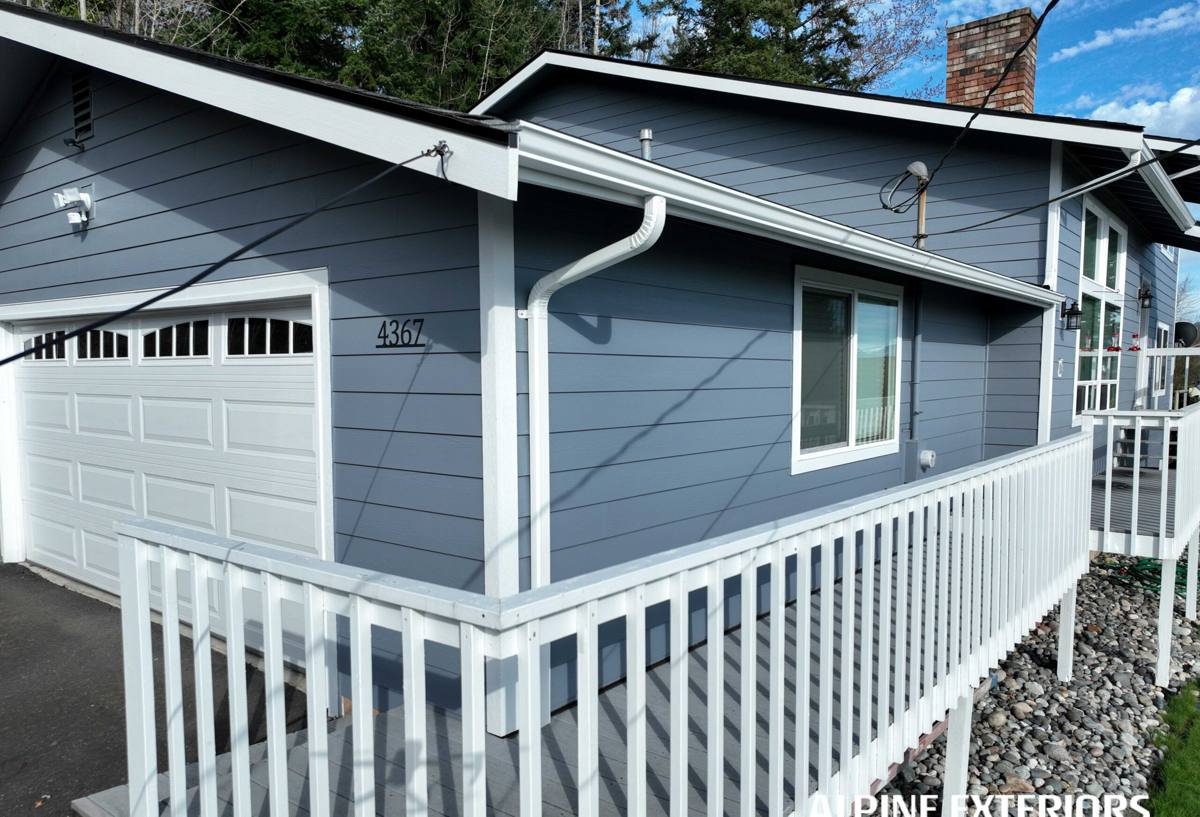
What Storm Damage Actually Looks Like
Not all storm damage is obvious. A missing shingle or a visible hole is easy to spot. Most of what causes real problems down the line is not.
Wind Damage
Straight-line winds and hurricane gusts lift shingle edges, break the adhesive seal strips, and crease shingles even when nothing physically blows off the roof. A shingle that's been lifted and re-seated by wind may look fine from the ground but no longer seals against wind-driven rain. Metal roofing can suffer bent panels, popped fasteners, and lifted seams along the edges and ridges, where wind uplift pressure is highest.
Wind-Driven Rain
St. Petersburg storms rarely come straight down. Rain driven sideways at 40-70 mph finds its way under shingle edges, through compromised flashing around vents and chimneys, and into any gap that a calm-weather rain would never reach. This is why a roof that "held up fine" in a regular thunderstorm can still leak badly during a tropical system — the water pressure and angle are completely different.
Hail and Impact Damage
Hail is less frequent here than wind, but it happens, and impact damage from wind-thrown debris (branches, roofing material from neighboring properties, loose fixtures) is common during and after any significant storm. Impact damage can bruise or crack shingles, dent metal panels, and crack tile — damage that isn't always visible from the ground but that breaks down the roof's weather barrier at that spot.
UV and Cumulative Wear
This one isn't a single storm event, but it matters for every repair decision. Central Florida's UV exposure bakes asphalt shingles and dries out sealants year-round. A roof that's already brittle from sun exposure sustains more damage from the same wind event than a newer roof would, and repairs on an older, UV-worn roof need to account for that — patching a 15-year-old roof with new shingles that don't match the surrounding material's wear pattern can create its own problems.
What a Correct Repair Involves
A storm damage repair that's done right goes past the visible damage. Here's what we check and address on every job.
Full Roof Inspection, Not Just the Damaged Spot
Storms rarely damage a roof in one isolated place. We inspect the whole roof — not just the area the homeowner points to — because wind uplift and debris impact often cause secondary damage that isn't visible from the ground or from inside the attic yet.
Decking Check
If water has been getting under the roofing material for any length of time, the wood decking underneath can be softened or rotted. Repairing the surface layer without checking the decking underneath just means the same spot fails again, faster, next time.
Underlayment and Flashing
Underlayment is the roof's real waterproofing layer — the shingles or tiles are the first line of defense, but underlayment is what actually keeps a roof dry once that first line is breached. Flashing around chimneys, vents, skylights, and roof-to-wall transitions is one of the most common failure points in wind-driven rain events and needs to be inspected and resealed or replaced, not just caulked over.
Material Matching
Where shingles or tiles need to be replaced, matching the existing material in color and profile matters — both for appearance and because mismatched materials age and weather differently, which shows over time. On older roofs where an exact match isn't available, we'll tell you honestly what your options are rather than installing something that will stand out.
Our Process
- Inspection and documentation. We assess the full roof, photograph and document all storm-related damage, and identify anything that needs immediate attention (active leaks, exposed decking) versus what can be scheduled.
- Written scope and estimate. You get a clear explanation of what's damaged, what needs repair, and what it will cost — no vague line items.
- Temporary protection if needed. If there's an active leak or exposed area, we get it covered and protected before the full repair is scheduled, so the damage doesn't spread while you wait.
- Repair work. Decking, underlayment, flashing, and roofing material are repaired or replaced as needed — not just the visible surface layer.
- Final walk-through. We review the completed work with you before we consider the job done.
Repair vs. Replace: What Drives the Decision
Not every storm-damaged roof needs full replacement, and not every roof can be safely patched. The right call depends on a few factors:
| Factor | Favors Repair | Favors Replacement |
|---|---|---|
| Roof age | Roof is under 10-12 years old | Roof is near or past its expected service life |
| Extent of damage | Damage is localized to one or two areas | Damage is spread across multiple roof planes |
| Decking condition | Decking is sound underneath | Widespread rot or soft spots found during inspection |
| Material availability | Matching shingle/tile is available | Discontinued material with no close match |
| Prior repair history | First significant repair on this roof | Multiple past repairs in different areas |
We'll always recommend the option that actually solves the problem, not the more expensive one. If a targeted repair is the honest answer for your roof, that's what we'll propose.
Insurance Claims and Documentation
Most storm damage repairs in this area involve a homeowner's insurance claim. Thorough documentation — clear photos, a written scope of damage, and dated records — makes that process smoother whether you're filing a claim yourself or working with an adjuster. We document damage as part of every inspection regardless of whether a claim is being filed, because it's useful information for you either way and it's much harder to establish after repairs are already underway.
We're not a public adjuster and we don't handle the claim itself, but we'll give you an honest, detailed account of what we find so you have accurate information to work with.
Why a Crew That Already Works Bartlett Park Matters
Roofing conditions aren't identical across every neighborhood in Pinellas County, even within St. Petersburg. Tree canopy, roof orientation relative to prevailing storm direction, and the age and construction style of homes in a given area all affect what kind of damage shows up and where. A crew that regularly works in and around Bartlett Park has a working sense of what's common locally — where flashing tends to fail first, which older roof types need extra attention after a wind event, and what realistic timelines look like for parts and materials in this market, especially in the weeks after a widespread storm hits the region and demand for repairs spikes.
That local familiarity doesn't replace a proper inspection — every roof still gets checked on its own — but it means less guesswork and fewer surprises once the work is underway.
After a Storm: What to Check
Before a full inspection, there are a few things a homeowner can safely check from the ground or inside the house:
- Check the attic or ceilings for water stains, especially after heavy wind-driven rain
- Look at the ground and gutters for granules, shingle pieces, or metal fragments after a storm
- Note any visibly lifted, cracked, or missing shingles or tiles from the ground — don't climb up to check yourself
- Check gutters and downspouts for damage or blockage that could cause water to back up under the roofline
- Photograph any visible exterior damage as soon as it's safe to do so, for your own records
- If you find an active leak, place a container to catch water and avoid running electrical fixtures nearby until it's addressed
If anything on that list applies to your home, it's worth having the roof looked at even if the damage seems minor — small gaps left unaddressed through Florida's rain and UV cycle rarely stay small.
Get an Honest Assessment
If your Bartlett Park home has storm damage — or you're not sure whether recent weather caused any — we're happy to take a look and give you a straight answer about what we find. Fill out the form below for a free, no-pressure estimate.