 St. Petersburg Window
 Why Childs Park Roofs Take a Different Kind of Beating
Childs Park sits inland from the bay but still gets the full weather package that comes with living in Pinellas County: long stretches of intense UV that bake asphalt shingles brittle, sudden wind-driven downpours that find every weak seam, and salt-laden air that drifts in off Tampa Bay and the Gulf and works on any metal or fastener that isn't rated for it. Add hurricane-force wind events that pass through the region most seasons, and you have a climate that is genuinely hard on a roof. It's not one extreme condition — it's all of them, stacked on top of each other, year after year.
Metal roofing holds up well against that combination when it's specified and installed correctly, which is the part that actually matters. A metal roof is not automatically a storm-proof roof. The panel gauge, the fastening method, the underlayment, and the flashing details determine whether it performs the way people expect or becomes a source of leaks and warranty headaches five years in. This page covers what a Childs Park home actually needs from a metal roof, how a correct installation is built, and what to look for in the crew doing the work.
What Local Homes Need From a Metal Roof
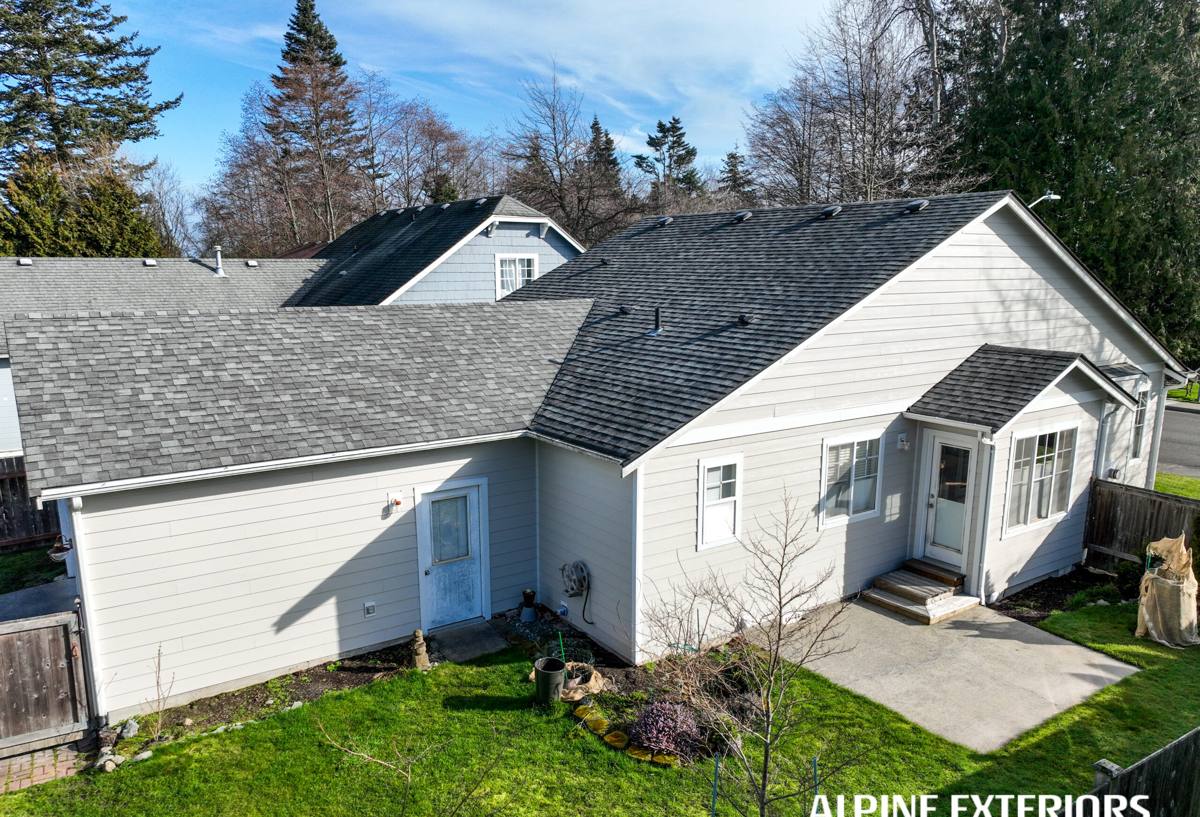
Most homes in this part of St. Petersburg are single-story or low-profile two-story construction with roof lines that see direct sun for most of the day. That combination — high heat load plus coastal humidity plus wind exposure — puts three demands on a roofing system:
- Wind resistance that matches the real exposure category, not just a generic product rating pulled from a spec sheet written for a different climate zone.
- Corrosion resistance appropriate for a coastal-influenced air environment, since salt air travels further inland than most homeowners assume, especially during onshore wind events.
- Heat management, because a dark, poorly ventilated metal roof can push attic temperatures up and work against the home's cooling load instead of helping it.
A roofing system that ignores any one of these tends to underperform in this county even if it would be perfectly fine somewhere with a milder, drier climate.
What a Correct Metal Roof Installation Actually Involves
The Deck and Underlayment Come First
Metal panels are only as good as what's underneath them. Before any panel goes down, the roof deck needs to be sound — no soft spots, no rotted sheathing hiding under the old roofing. Over that deck goes a high-temperature synthetic or self-adhering underlayment rated for the heat a metal roof can generate in direct Florida sun. This layer is the actual water barrier; the metal panels are the first line of defense, but the underlayment is what keeps a home dry if wind-driven rain ever gets past a seam or a flashing detail during a storm.
Fastening and Panel Attachment
How the panels attach to the deck is one of the biggest differences between a roof that survives a wind event and one that doesn't. Concealed-fastener standing seam systems clip to the deck and allow the panel to expand and contract with heat without stressing the fastener points — this matters a lot given how hot a dark metal roof gets in direct sun here. Exposed-fastener panels are attached with screws straight through the panel face, which is a lower-cost approach but puts the long-term seal at the mercy of every one of those screw penetrations and their washers, which degrade over time and need eventual re-torquing or replacement.
Flashing and Penetrations
Valleys, wall transitions, chimneys, vent stacks, and skylights are where roofs actually leak — the flat field of metal rarely fails on its own. Correct flashing means custom-formed pieces that shed water at every transition, sealed and layered so water always moves downhill over the next piece, never behind it. This is detail work, and it's the step that separates a roof that's watertight for decades from one that develops a slow leak nobody notices until there's a stain on a ceiling.
Choosing the Right Metal Roofing System
Not every metal roofing product performs the same way in this climate, and the right choice depends on budget, the home's roof pitch, and how long the homeowner plans to stay in the house. Here's how the common options compare for a Childs Park home:
| System | Wind Performance | Maintenance | Typical Lifespan |
|---|---|---|---|
| Standing seam (concealed fastener) | Strongest — panels lock together, fewer penetration points | Low — no exposed screws to inspect or re-seal | 40-plus years |
| Exposed-fastener panel | Good, but wind resistance depends on fastener condition over time | Moderate — washers and screws need periodic inspection | 25-35 years, depending on maintenance |
| Metal shingle / stone-coated steel | Good, mimics traditional roof appearance | Low to moderate | 30-50 years |
Standing seam tends to be the better long-term investment for a home in a high-wind, high-UV, salt-influenced environment because it minimizes the number of places the roof can be compromised. Exposed-fastener systems still have a place — often on outbuildings, additions, or budget-driven projects — but they come with a maintenance commitment the homeowner should understand up front, not discover later.
Coatings and Corrosion Resistance
The metal itself matters as much as the system. Panels with a quality Kynar or similar baked-on finish over a corrosion-resistant substrate hold their color and resist chalking far longer under this level of UV exposure than a bargain-grade coating. Fasteners, clips, and flashing should be corrosion-resistant metals compatible with the panel — mixing incompatible metals in a coastal-influenced environment leads to galvanic corrosion, which shows up as pitting and staining well before the panels themselves would otherwise wear out.
Ventilation: The Detail Homeowners Skip
A metal roof installed over a poorly ventilated attic doesn't get the full benefit of the material's reflectivity. Proper ridge and soffit ventilation lets hot air escape instead of building up under the deck, which protects the underlayment, reduces cooling costs, and extends the life of everything in the attic. On older Childs Park homes with original ventilation that was never upgraded, a metal roof replacement is a natural point to correct that — it's far easier to address ventilation while the roof is open than to retrofit it later.
Our Installation Process
- On-site inspection — we assess the existing roof, deck condition, ventilation, and any problem areas (valleys, penetrations, past leak history) before quoting anything.
- System recommendation — based on the roof's pitch, sun exposure, and the homeowner's budget and timeline, we recommend a specific panel type and gauge rather than a one-size-fits-all package.
- Tear-off and deck repair — old roofing comes off, the deck is inspected, and any compromised sheathing is replaced before anything new goes down.
- Underlayment and flashing — high-temperature underlayment goes down first, followed by custom-formed flashing at every valley, wall, and penetration.
- Panel installation — panels are installed to manufacturer wind-load specifications for this region, with attention to expansion allowance and seam alignment.
- Final walk-through — we review the finished roof with the homeowner and explain what maintenance, if any, the system requires going forward.
Maintenance: What a Metal Roof Actually Needs
One of the appeals of metal roofing is how little upkeep it requires compared to asphalt shingles, but "low maintenance" isn't "no maintenance." A short annual check keeps small issues from becoming expensive ones:
- Clear debris from valleys and around penetrations so water doesn't pool or back up.
- Check sealant at flashing points and exposed fasteners (if applicable) for cracking or shrinkage.
- Look for any panel movement, loose trim, or scuffed coating after a major wind event.
- Keep gutters clear so water leaving the roof actually drains away from the foundation.
- After any named storm that hits the area, a quick visual check is worth the time even if nothing looks obviously wrong.
What Drives the Cost
Metal roofing costs more upfront than asphalt shingles, and the final number depends on several factors specific to the home rather than a flat per-square-foot rate:
| Factor | Why It Matters |
|---|---|
| Panel system chosen | Standing seam runs higher than exposed-fastener panel or metal shingle systems |
| Roof complexity | More valleys, dormers, and penetrations mean more flashing labor |
| Deck condition | Rotted or damaged sheathing found during tear-off adds repair cost |
| Existing roof removal | Multiple layers of old roofing take longer to remove and dispose of |
| Ventilation upgrades | Adding or correcting ridge/soffit ventilation is worth doing while the roof is open |
We give homeowners a real number after seeing the roof in person — not a phone estimate — because the factors above genuinely change the price, and nobody's roof is exactly like the one down the street.
Why It Matters That We Already Work in Childs Park
A crew that regularly works this neighborhood knows the housing stock — the typical roof ages, common deck conditions, and the kinds of ventilation and flashing shortcuts that show up on homes that have been through multiple prior re-roofs. That familiarity means fewer surprises during tear-off and a more accurate estimate from the start. It also means we're a known, reachable local business if a question comes up after the job is done, not a crew that worked the area once and moved on. For a roofing decision meant to last decades, that local accountability is worth as much as the panel spec sheet.
If you're weighing a metal roof for a Childs Park home, we're happy to take a look and walk you through what your specific roof needs — no pressure, no generic sales pitch. Use the form below to request a free estimate.