 St. Petersburg Window
 Roof Repair Built for Childs Park's Climate and Housing Stock
Childs Park is one of St. Petersburg's older, established neighborhoods, and that means a lot of the roofs here have already been through more sun, storms, and salt air than a roof in a brand-new subdivision ever will. Whether your home has the original roof structure with newer shingles layered on top, or a repair job from a previous owner that's starting to show its age, the roof over a Childs Park home has a specific job to do: shed heavy, wind-driven rain fast, survive UV exposure that doesn't let up for most of the year, and hold together when a tropical system or a strong summer storm rolls through Pinellas County. We repair roofs in this neighborhood with that reality in mind, not a generic checklist.
A roof repair here isn't just patching what's visible. It's understanding how Gulf Coast weather attacks a roof system over time, and fixing the actual cause of a leak or a failing section, not just the symptom.
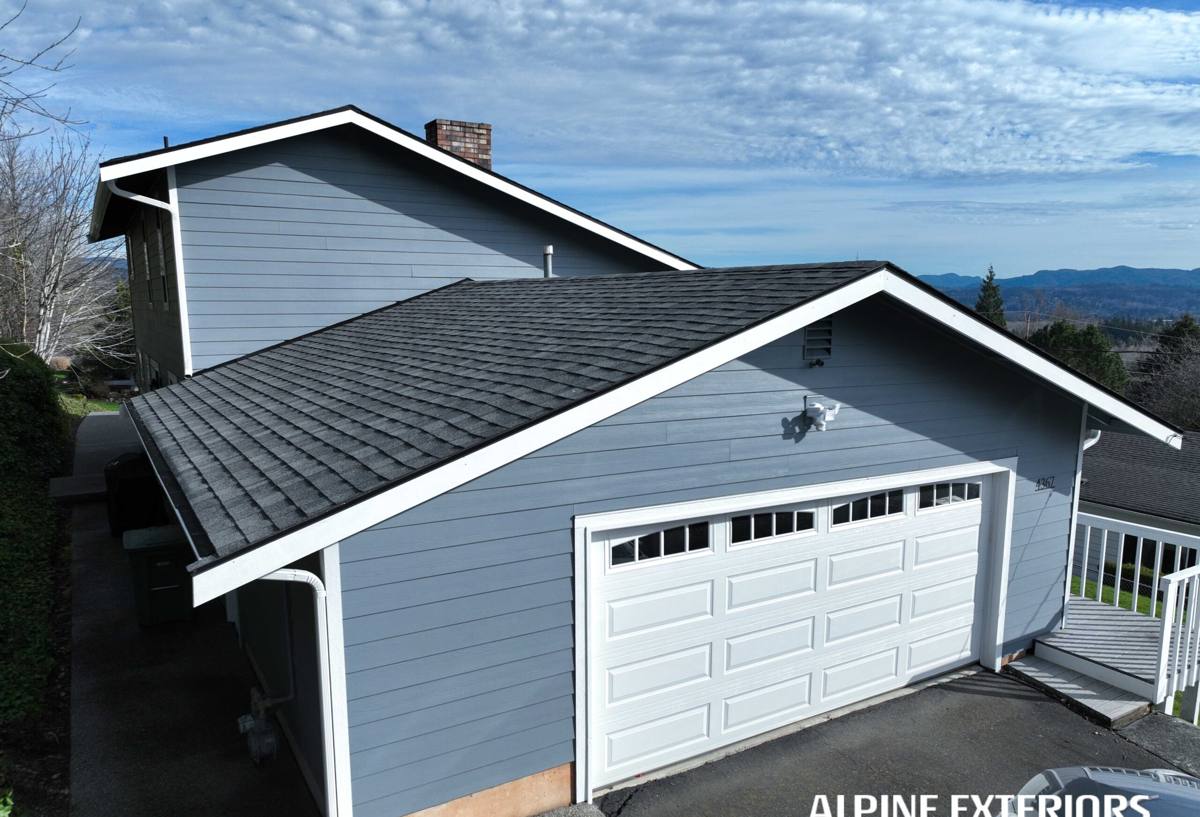
What St. Petersburg's Climate Does to a Roof
Every roof in this part of Florida is fighting the same combination of forces, and Childs Park is no exception:
- Hurricane-force and tropical-storm winds lift shingle edges, work fasteners loose, and can peel back flashing that was only marginally secured to begin with.
- Wind-driven rain doesn't just fall straight down — it gets pushed sideways and upward under shingle tabs, around vents, and into any gap that a calm-weather rain would never find.
- Intense, near year-round UV exposure bakes asphalt shingles, dries out sealant strips, and accelerates the natural aging of roofing materials well beyond what you'd see in a milder climate.
- Salt air off Tampa Bay and the Gulf speeds up corrosion on exposed metal — flashing, nail heads, vent stacks, and fasteners all age faster here than they would inland.
- Afternoon thunderstorms for much of the year mean a small leak doesn't get a break to dry out between events. It just gets revisited, and worsened, again and again.
None of these forces act alone. A roof section weakened by UV becomes far more vulnerable the next time a strong wind event pushes rain into it. That's why a proper repair looks at the surrounding material condition, not just the spot where water showed up inside the house.
Common Roof Problems We See in Childs Park Homes
Aging Shingle Roofs
Many homes in this neighborhood are still on asphalt shingle roofs, some original to the house and some replaced at various points over the decades. The most common issues we find are cracked or curling shingles from UV breakdown, granule loss that leaves the underlying mat exposed, and lifted tabs where the factory sealant strip has dried out and no longer bonds shingles together against wind.
Flashing and Penetration Failures
Leaks very often trace back not to the shingles themselves but to the metal and sealant details around chimneys, roof-to-wall transitions, skylights, and pipe vents. These are the places where two different materials meet, and they're the first spots to fail when sealant dries out or metal corrodes in salt-laden air.
Storm and Wind Damage
After any significant wind event, we get calls about missing shingles, lifted ridge caps, and displaced flashing. Sometimes the damage is obvious from the ground. Often it isn't, and a section of the roof is compromised without a single shingle visibly out of place until the next hard rain finds the gap.
Roof Valleys and Drainage Points
Valleys, where two roof slopes meet, carry a disproportionate amount of water during heavy rain. In an older roof system, valley material can wear thin or the underlayment beneath it can degrade well before the rest of the roof shows its age.
What a Correct Roof Repair Actually Involves
A repair that holds up in this climate isn't a five-minute patch job. Done right, it includes:
- A full inspection, not just a spot check. We look at the area around the reported leak or damage, because water travels before it drops through a ceiling, and the entry point is often several feet from where the stain shows up inside.
- Checking the roof deck condition. If wood sheathing underneath has been wet repeatedly, it needs to be assessed and, if compromised, replaced — patching over a soft deck doesn't hold.
- Matching materials appropriately. Shingle repairs should use compatible materials so the patch weathers at a similar rate to the surrounding roof, rather than aging or reacting to sun and heat differently and creating a new weak point.
- Resealing and re-flashing penetrations correctly. Vents, chimneys, and wall transitions get proper flashing and sealant work, not just a bead of caulk over the old failure.
- Verifying fastening meets wind-resistance standards. Given how often this area sees strong wind events, repaired sections need to be secured to hold, not just look right on a calm day.
Our Repair Process
1. Inspection and Honest Assessment
We start by inspecting the roof, both from the ground and up close where it's safe and practical to do so, to identify the actual source of the problem. We'll tell you plainly if what you're dealing with is a straightforward repair or a sign that the roof is nearing the end of its useful life. We don't upsell a full replacement when a repair will genuinely hold.
2. A Clear Explanation and Estimate
Before any work starts, you'll know what we found, what we recommend, and roughly what it will cost. We explain the reasoning in plain terms so you can make an informed decision, not just a fast one.
3. The Repair Itself
We remove and replace only what needs to be replaced, matching materials where possible, and paying particular attention to flashing, fasteners, and sealant details since those are the components most likely to fail again in this climate if they're rushed.
4. Cleanup and Final Check
We clear debris, old materials, and any stray fasteners from the property, and do a final check of the repaired area before we consider the job done.
Repair vs. Replacement: How to Think About It
Not every roof problem in Childs Park calls for a full replacement, and not every leak can be permanently solved with a patch. Here's a general framework for how we evaluate it:
| Factor | Leans Toward Repair | Leans Toward Replacement |
|---|---|---|
| Roof age | Under 15 years, or recently replaced | Approaching or past typical shingle lifespan |
| Extent of damage | Isolated to one section or penetration | Widespread granule loss, curling, or multiple leak points |
| Deck condition | Dry, solid sheathing under the damaged area | Soft or water-stained decking in multiple spots |
| Storm history | Single recent event, otherwise sound roof | Repeated storm damage over several seasons |
| Underlying materials | Underlayment and flashing still in good shape | Underlayment brittle or flashing corroded throughout |
We'll walk you through where your roof falls on this spectrum honestly, rather than defaulting to whichever answer is more profitable for us.
Why Hiring a Crew That Already Works in This Neighborhood Matters
Roofing work in Childs Park benefits from familiarity with the specific building patterns common to this part of St. Petersburg — roof pitches, common construction eras, and the kinds of repairs that tend to recur in homes of a similar age and exposure. A crew that regularly works in this neighborhood and across Pinellas County also has a realistic sense of what local permitting and code requirements apply to repair work, and knows which failure points show up again and again in this specific climate zone versus what might be a bigger concern in a different part of the country.
Just as important is response time. When storm damage hits, having a contractor who's already local and can get to your property quickly — rather than one dispatching a crew from across the region — makes a real difference in preventing a manageable leak from turning into interior water damage, mold, or a compromised roof deck.
Maintenance That Extends the Life of a Repair
A quality repair lasts longer when the rest of the roof is kept in reasonable condition around it. A few things Childs Park homeowners can do between professional inspections:
- Keep gutters and downspouts clear so water isn't backing up under roof edges during heavy rain.
- Trim back tree limbs that overhang the roof, both to reduce debris buildup and to limit abrasion damage during wind.
- Look for granules collecting in gutters or at downspout outlets, which can be an early sign of shingle wear.
- Have the roof checked after any significant storm, even if there's no visible leak yet — wind and rain damage doesn't always announce itself right away.
- Watch for ceiling stains, musty odors in the attic, or peeling paint near the roofline, all of which can indicate a slow leak before it becomes obvious.
Materials We Work With
Most repair work in this neighborhood involves asphalt shingle roofing, since that's the dominant material on homes here, but the same principles of correct flashing, deck integrity, and wind-rated fastening apply regardless of roof type. When a repair calls for it, we use materials and installation methods suited to this climate specifically — sealants and fasteners rated for the heat and UV exposure this area sees, and flashing details built to handle wind-driven rain rather than just vertical rainfall. We won't cut corners on these details to save time, because in Pinellas County's climate, those are exactly the details that determine whether a repair lasts five years or fifteen.
If you've got a leak, storm damage, or a roof that's just showing its age, we're happy to take a look and give you a straightforward, no-pressure assessment. Fill out the form below for a free estimate on your Childs Park roof repair.