 St. Petersburg Window
 Roofing a Coquina Key Home Is Not the Same as Roofing Inland
Coquina Key sits on filled land wrapped by water on nearly every side, with canal frontage bringing salt-laden air right up to the roofline on a large share of homes. That changes what a shingle roof has to survive here compared to a house a few miles inland. Salt air accelerates corrosion on exposed metal fasteners and flashing. Near-constant Gulf Coast humidity keeps roof decks damp longer after every rain. And when a named storm tracks through Tampa Bay, homes on this peninsula take wind and wind-driven rain from more directions than homes with more shelter around them. A shingle roof that's a good fit for Coquina Key has to be built with all of that in mind from the first nail, not patched around it later.
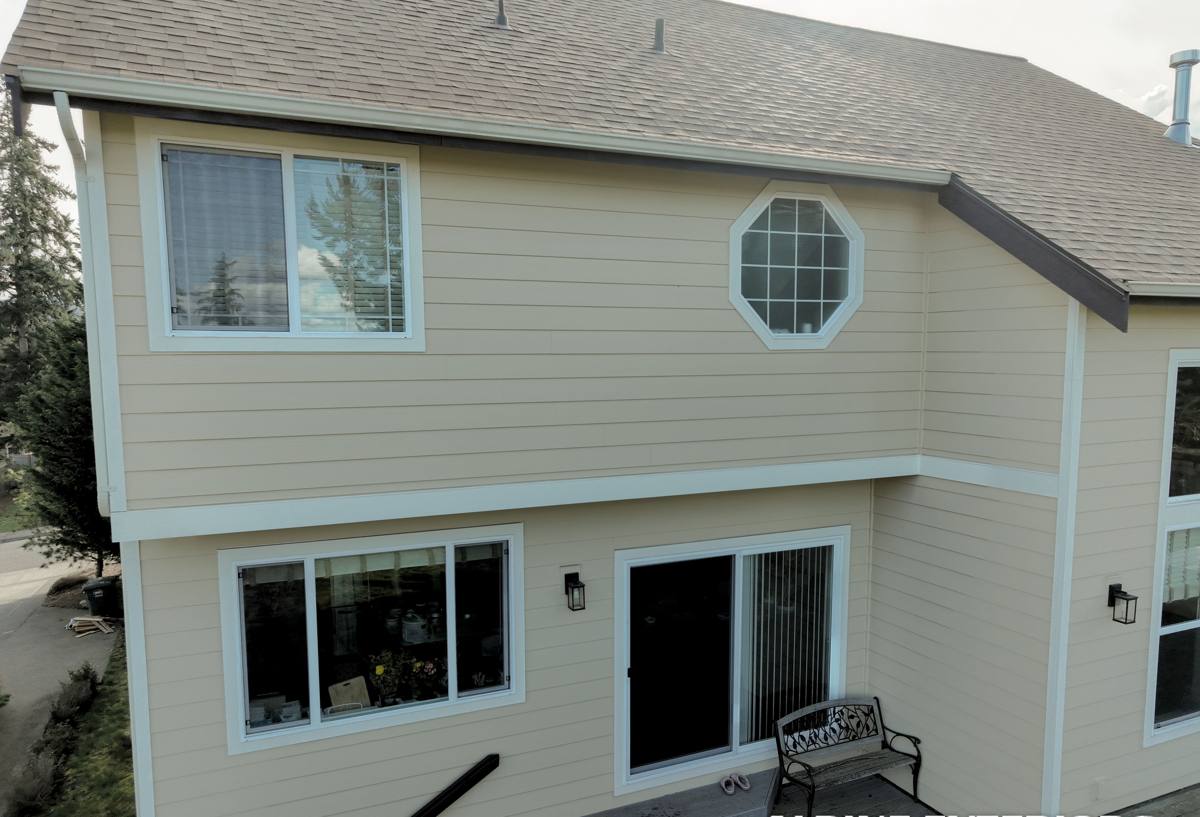
What Coquina Key's Climate Actually Does to a Roof
Salt air and canal exposure
Salt in the air settles on every exposed surface, including roofing nails, drip edge, and flashing. Over years, that speeds up corrosion on lower-grade fasteners and thin metal, which is one of the more common reasons an otherwise sound-looking roof starts leaking at the edges and penetrations before the shingles themselves are worn out.
Wind-driven rain
Straight-down rain rarely causes trouble on a roof that's properly shingled and flashed. Wind-driven rain is different — it pushes water sideways and upward under shingle tabs, around vent boots, and along valleys. This is where underlayment quality and flashing detail work matter far more than the shingle brand printed on the wrapper.
Year-round UV
Pinellas County gets strong sun exposure essentially every month of the year, not just in summer. UV breaks down the asphalt in shingles over time, drying out the mat and causing granule loss, which is what eventually leaves a roof brittle and more vulnerable during the next windstorm.
Hurricane-force wind
St. Petersburg sits in a hurricane-prone corridor, and Coquina Key's low elevation and water exposure don't give it any extra shelter from gusts. A shingle system rated and installed for high wind isn't an upgrade here — it's the baseline for a roof that's expected to hold through a real storm season.
What a Correct Shingle Roof Job Actually Involves
A shingle roof is a system, not a single product. Skipping or shortcutting any layer of that system is what causes early leaks, blow-offs, and warranty denials — usually the parts homeowners can't see from the ground.
Full tear-off and deck inspection
Layering new shingles over old is a shortcut that traps moisture and hides deck problems. We tear off down to the deck, then inspect every sheet of decking for soft spots, delamination, or old water damage before anything new goes down. Any bad decking gets replaced, not covered.
Underlayment as the real waterproofing layer
Shingles shed most water, but the underlayment underneath is what actually keeps a roof dry when wind pushes rain under the shingle tabs. In a climate like this, a synthetic or self-adhering underlayment with real wind and moisture resistance is worth the extra cost over builder-grade felt.
Nailing pattern and wind rating
Every shingle has a manufacturer-specified nailing pattern and a wind rating that only holds up if that pattern is followed exactly — correct nail count, correct placement, correct fastener type. This is the single most common place corners get cut on a fast, cheap reroof, and it's invisible once the roof is finished.
Flashing and edge details
Valleys, chimneys, skylights, pipe boots, and roof-to-wall transitions are where the overwhelming majority of roof leaks start — not the open field of shingles. Correct flashing, sealed and lapped the right direction, matters more to long-term dryness than which shingle color you pick.
Choosing a Shingle for Coquina Key
Not every asphalt shingle sold nationally is a good match for this exposure. The table below compares the general classes homeowners in this area choose between.
| Shingle Type | Typical Wind Rating | Best Fit For | Trade-Offs |
|---|---|---|---|
| 3-tab (economy) | Lower wind ratings, fewer high-wind certified lines | Budget-focused rentals or short-hold properties | Shorter lifespan in salt air and UV; less wind margin during storm season |
| Architectural / laminate | Higher wind ratings widely available, often up to 130 mph class when properly installed | Most Coquina Key homes as a primary residence | Higher upfront cost than 3-tab, but longer service life offsets it |
| Impact-rated (Class 4) | Highest wind and impact ratings; also resists hail and debris strikes | Canal-front and highest-exposure homes; homeowners chasing insurance credits | Highest material cost; savings can come back through wind mitigation insurance discounts |
For most homes on Coquina Key, an architectural shingle rated for high wind is the practical middle ground. For canal-front properties with the most direct wind and salt exposure, or for homeowners who want the strongest possible insurance wind mitigation credit, a Class 4 impact-rated shingle is worth pricing out.
Our Process, Start to Finish
- On-site inspection. We walk the roof and attic in person — not just a drone photo — to check deck condition, ventilation, and existing flashing before quoting anything.
- Written estimate. A clear scope of work and price, including tear-off, decking allowances, underlayment type, and flashing details, so there are no surprise change orders mid-job.
- Permitting. Reroofs in Pinellas County require a permit; we pull it and schedule the required inspections so the finished roof is documented and code-compliant, which also matters if you ever file an insurance claim.
- Tear-off and deck repair. Old roofing comes off, decking is inspected board by board, and any damaged sections are replaced before dry-in.
- Dry-in and flashing. Underlayment and all flashing go on first, closing the roof against weather even before the final shingle layer is complete.
- Shingle installation. Installed to the manufacturer's nailing pattern and wind-rating spec, not a faster shortcut pattern.
- Final inspection and cleanup. A walk-through with you, magnetic sweep for stray nails, and haul-away of all debris.
Permits, Wind Mitigation, and Insurance
Every reroof in the City of St. Petersburg and unincorporated Pinellas County requires a building permit, and the final inspection is what closes it out on record. That paperwork matters beyond code compliance — it's also what your insurer will ask for if you ever file a wind or water claim. A new roof, particularly a high-wind or impact-rated system, can also qualify for a wind mitigation inspection, which many Florida insurers use to reduce windstorm premiums. We can point you toward that inspection process once your roof is complete; the mitigation report itself is done by a licensed inspector, separate from the roofing work.
Signs a Coquina Key Roof Needs Attention
Salt air and sun exposure tend to age a roof from the outside in, often before an interior leak ever shows up. Worth checking for or having inspected:
- Granules collecting in gutters or at downspouts — a sign the shingle surface is wearing thin
- Curling, cupping, or cracked shingle tabs, especially on the sides that face open water
- Rusted or lifted nail heads and streaking near flashing points
- Soft or spongy spots when walking the roof, which point to deck moisture underneath
- Missing or damaged shingles after any named storm, even if no leak has shown up yet
- Daylight visible through the attic decking or staining on attic rafters
- A roof age past 15–20 years without a full tear-off and reroof
Maintenance Between Roof Replacements
A well-installed shingle roof still benefits from basic upkeep in this climate. Keep gutters clear so water doesn't back up under the eaves, trim back overhanging branches that drop debris and hold moisture against the shingles, and have the roof looked at after any major storm — not just when a leak shows up inside. Small flashing or sealant issues found early are a fraction of the cost of a ceiling repair later.
Why It Matters to Hire a Crew That Already Works Coquina Key
A roofer who mainly works inland neighborhoods can still do competent general roofing work, but they may not default to the underlayment upgrades, fastener choices, and flashing details that make sense for a canal-front, salt-air, high-wind location like this one. A crew that regularly works Coquina Key and the surrounding St. Petersburg waterfront already knows the local permitting process, has a track record with the flashing and wind-rating details this exposure demands, and isn't guessing at what "built for the climate here" actually means in practice.
If you're weighing a repair against a full reroof, or just want an honest read on how much life is left in your current shingles, we're glad to take a look. Use the form below to request a free, no-pressure estimate for your Coquina Key home.